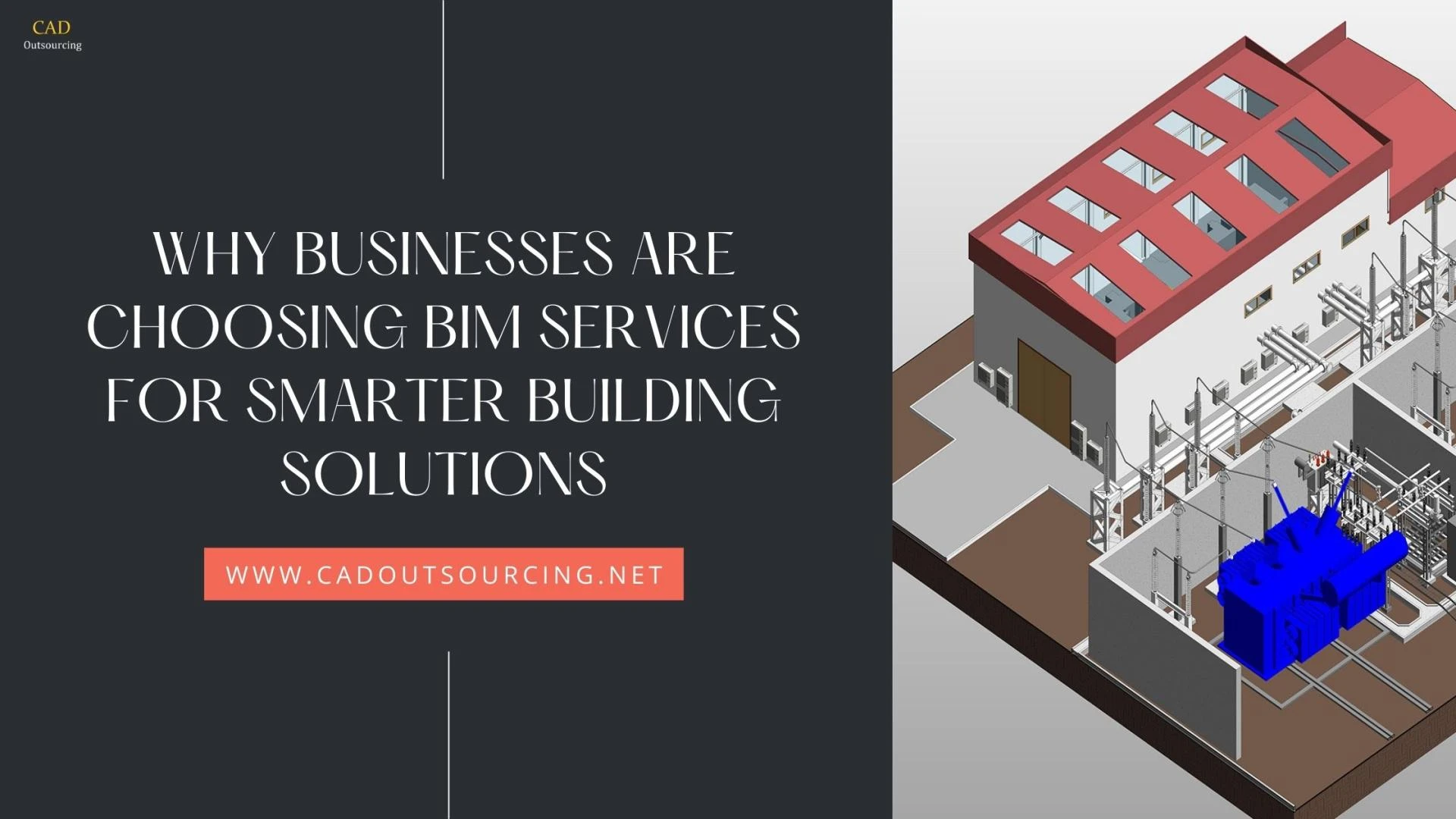
Introduction: The Shift Toward Intelligent Construction
The Architecture, Engineering, and Construction (AEC) industry is undergoing a profound digital transformation. Traditional methods that relied heavily on 2D drawings, fragmented communication, and reactive problem-solving are no longer sufficient for today’s complex building projects. Businesses now demand smarter processes, predictable outcomes, and greater control over costs and timelines.
This shift has accelerated the adoption of BIM services—a technology-driven approach that integrates design, data, collaboration, and lifecycle management into a single intelligent framework. Unlike conventional workflows, Building Information Modeling services enable teams to plan, design, construct, and operate buildings more efficiently using rich digital models.
In a competitive market where delays and budget overruns can erode profitability, companies are turning to BIM not just as a tool but as a strategic solution for smarter building development.
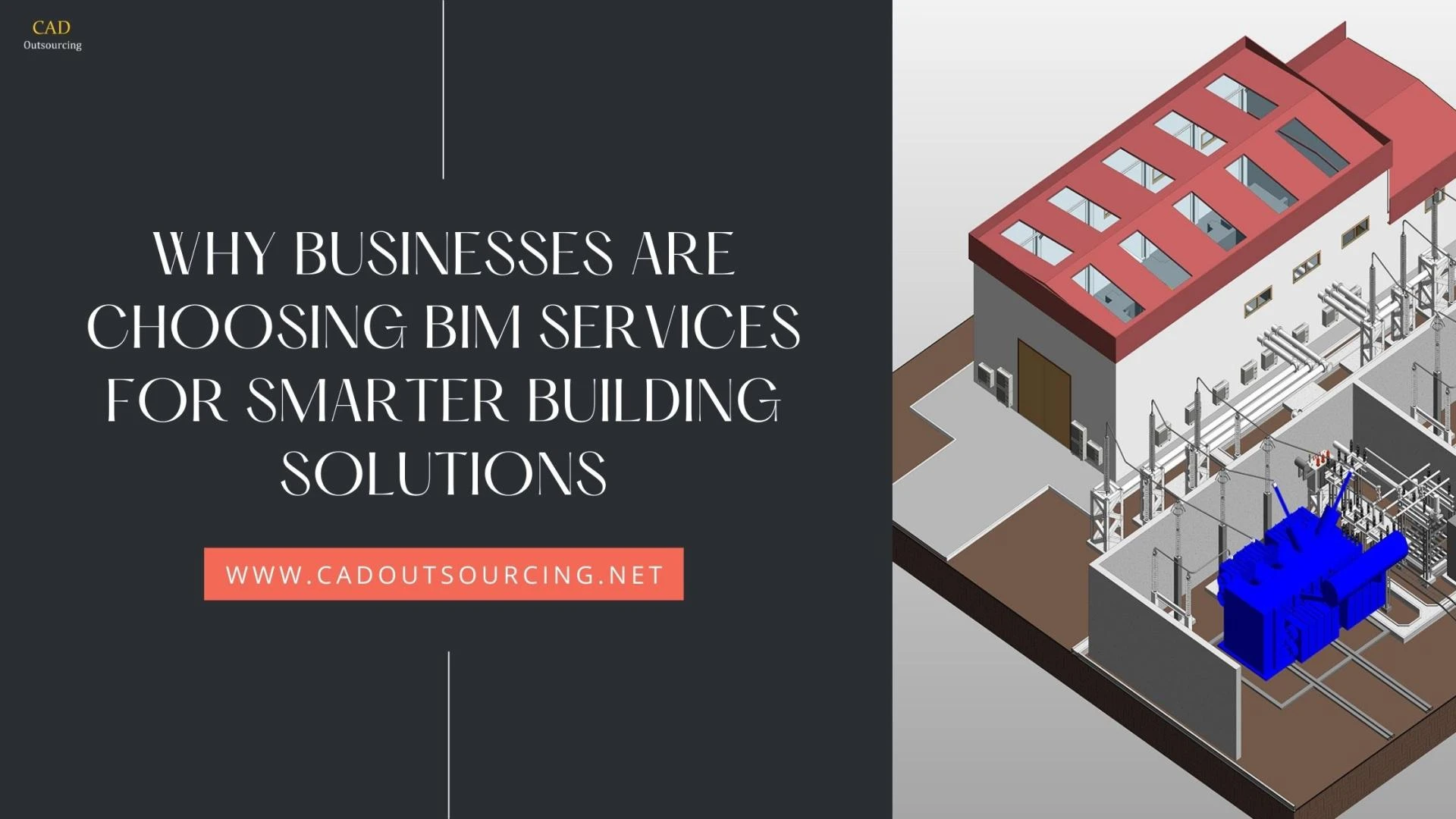
Understanding BIM Services
At its core, Building Information Modeling is a process that creates and manages digital representations of physical and functional characteristics of a facility. A reliable BIM modeling company develops coordinated models that serve as a central source of truth for all stakeholders.
Unlike CAD drawings, which primarily represent geometry, BIM models embed detailed information about materials, systems, quantities, and performance. Advanced 3D BIM modeling services allow project teams to visualize structures before construction begins, improving decision-making and reducing uncertainties.
Key components of BIM include:
Parametric 3D models
Embedded project data
Interdisciplinary coordination
Lifecycle management capabilities
Real-time updates across teams
Solutions such as Revit BIM services enable architects and engineers to design collaboratively, ensuring consistency across disciplines.
The Demand for Smarter Building Solutions
Modern construction projects are larger, more complex, and more regulated than ever before. Businesses face multiple challenges:
Tight project deadlines
Rising material costs
Sustainability requirements
Complex building systems
Increased stakeholder expectations
Traditional methods often lead to design conflicts, communication breakdowns, and costly rework. BIM addresses these issues by providing a holistic digital environment where every component of a project is interconnected.
Smart buildings today require not only efficient construction but also long-term operational performance. BIM supports both objectives, making it indispensable for forward-thinking organizations.
Key Benefits Driving Business Adoption of BIM
Enhanced Visualization and Design Accuracy
One of the most immediate advantages of BIM is the ability to visualize projects in three dimensions. With 3D BIM modeling services, stakeholders can explore realistic representations of buildings, understand spatial relationships, and validate design intent before construction begins.
This clarity reduces misunderstandings and ensures that clients, designers, and contractors share the same vision. It also minimizes late design changes, which are typically expensive and disruptive.
Improved Collaboration Across Teams
Construction projects involve numerous disciplines working simultaneously. BIM coordination services enable seamless collaboration by providing a shared digital environment where updates are reflected instantly.
Architects, structural engineers, MEP specialists, contractors, and owners can access accurate information at any time. This transparency reduces communication gaps and improves productivity.
Clash Detection and Risk Mitigation
One of BIM’s most powerful capabilities is automated conflict identification. Through advanced Clash detection services, potential interferences between structural, mechanical, electrical, and plumbing systems are identified before construction.
For example, a duct passing through a beam or pipes intersecting with electrical conduits can be resolved digitally rather than on-site. This proactive approach prevents delays, rework, and safety risks.
Time Optimization Through 4D BIM
Time is a critical factor in construction. 4D BIM services integrate scheduling data with the 3D model, allowing teams to simulate construction sequences.
Benefits include:
Improved site logistics planning
Better resource allocation
Identification of scheduling conflicts
Reduced downtime
Project managers gain a clear roadmap of how the project will evolve over time.
Cost Control with 5D BIM
Budget overruns are a major concern for businesses. 5D BIM services incorporate cost information into the model, enabling accurate quantity takeoffs and real-time budget tracking.
This integration supports:
Reliable cost estimation
Financial transparency
Scenario analysis for design changes
Reduced waste
By linking design decisions to financial outcomes, businesses can make informed choices throughout the project lifecycle.
Role of Specialized BIM Services
Architectural BIM Services
Architectural BIM services focus on spatial planning, design development, façade detailing, and material visualization. These models help stakeholders evaluate aesthetics, functionality, and compliance early in the process.
Structural BIM Modeling
Structural BIM modeling provides detailed representations of load-bearing elements, reinforcement layouts, and structural connections. Engineers can analyze performance and ensure safety before construction begins.
MEP BIM Services
Modern buildings rely heavily on complex systems. MEP BIM services coordinate mechanical, electrical, and plumbing networks to ensure efficient performance and maintainability.
Proper coordination prevents overcrowded service areas and supports energy-efficient design.
Scan to BIM Services
Renovation and retrofit projects benefit greatly from Scan to BIM services, which convert laser-scanned point cloud data into accurate digital models of existing structures. This approach eliminates guesswork and ensures precise planning for upgrades.
BIM Outsourcing: A Strategic Business Move
Many organizations choose BIM outsourcing services to access specialized expertise without investing heavily in in-house infrastructure. Outsourcing provides:
Skilled professionals with domain expertise
Advanced software capabilities
Cost efficiency
Scalability for large or multiple projects
Faster turnaround times
Firms such as CAD Outsourcing Consultants deliver tailored BIM services that help businesses focus on core operations while ensuring technical excellence.
For companies operating in North America, providers offering BIM consulting services USA understand local codes, standards, and project requirements, making them valuable partners.
BIM Across the Building Lifecycle
BIM is not limited to design—it supports every phase of a building’s life.
Planning and Design
Early-stage modeling improves feasibility analysis, site planning, and conceptual design.
Construction
Coordinated models guide contractors, reduce errors, and enhance productivity on-site.
Operations and Facility Management
After completion, BIM models serve as digital twins for maintenance planning, asset tracking, and renovations.
Long-Term Value
Accurate data helps owners optimize building performance and reduce operational costs over time.
Sustainability and Smart Building Development
Environmental responsibility is now a priority for businesses and regulators alike. BIM enables detailed energy analysis, daylight studies, and material optimization.
Benefits include:
Reduced carbon footprint
Efficient resource use
Support for green building certifications
Improved indoor environmental quality
Smart buildings rely on integrated systems, and BIM provides the data framework needed to design and operate them efficiently.
Industry Applications of BIM Services
BIM is widely used across sectors, including:
Commercial complexes
Residential developments
Infrastructure projects
Healthcare facilities
Educational institutions
Industrial plants
Each sector benefits from improved coordination, cost control, and operational efficiency.
Challenges in BIM Implementation and Solutions
Despite its advantages, BIM adoption can present challenges:
Initial Investment
Software, training, and process changes require upfront costs. However, long-term savings often outweigh these investments.
Data Management
Large projects generate vast amounts of information. Effective standards and workflows are essential.
Integration with Existing Processes
Transitioning from traditional methods requires organizational commitment and change management.
Partnering with an experienced BIM provider helps businesses overcome these obstacles.
Conclusion: BIM as the Foundation of Smarter Building Solutions
Businesses today cannot afford inefficiencies, delays, or budget surprises. BIM provides a comprehensive solution that enhances visualization, collaboration, cost control, and lifecycle management.
By adopting advanced BIM workflows, organizations gain a competitive edge, deliver higher-quality projects, and create smarter, more sustainable buildings. What began as a design tool has evolved into a strategic asset for the entire construction ecosystem.
Frequently Asked Questions (FAQs)
1. What are BIM services in construction?
BIM services involve creating and managing digital building models that integrate design, engineering, scheduling, and cost information throughout a project’s lifecycle.
2. How do BIM services reduce project costs?
By enabling accurate quantity estimation, clash detection, and efficient planning, BIM minimizes rework, delays, and material waste.
3. What industries benefit most from BIM?
Architecture, engineering, construction, infrastructure, healthcare, manufacturing, and facility management sectors all benefit significantly.
4. Is BIM useful for renovation projects?
Yes. Scan-based modeling techniques allow accurate representation of existing structures, making renovations safer and more efficient.
5. Why should businesses outsource BIM services?
Outsourcing provides access to expert teams, advanced technology, scalability, and cost savings without maintaining in-house resources.