Blood pressure is one of the biggest indicators of health; however, many people still do not fully understand how it affects their overall wellness. Maintaining a normal blood pressure is essential for preventing several illnesses, including cardiovascular and renal diseases. In this blog, we will highlight the importance of blood pressure management in details – read on until the end!
What is Blood Pressure?
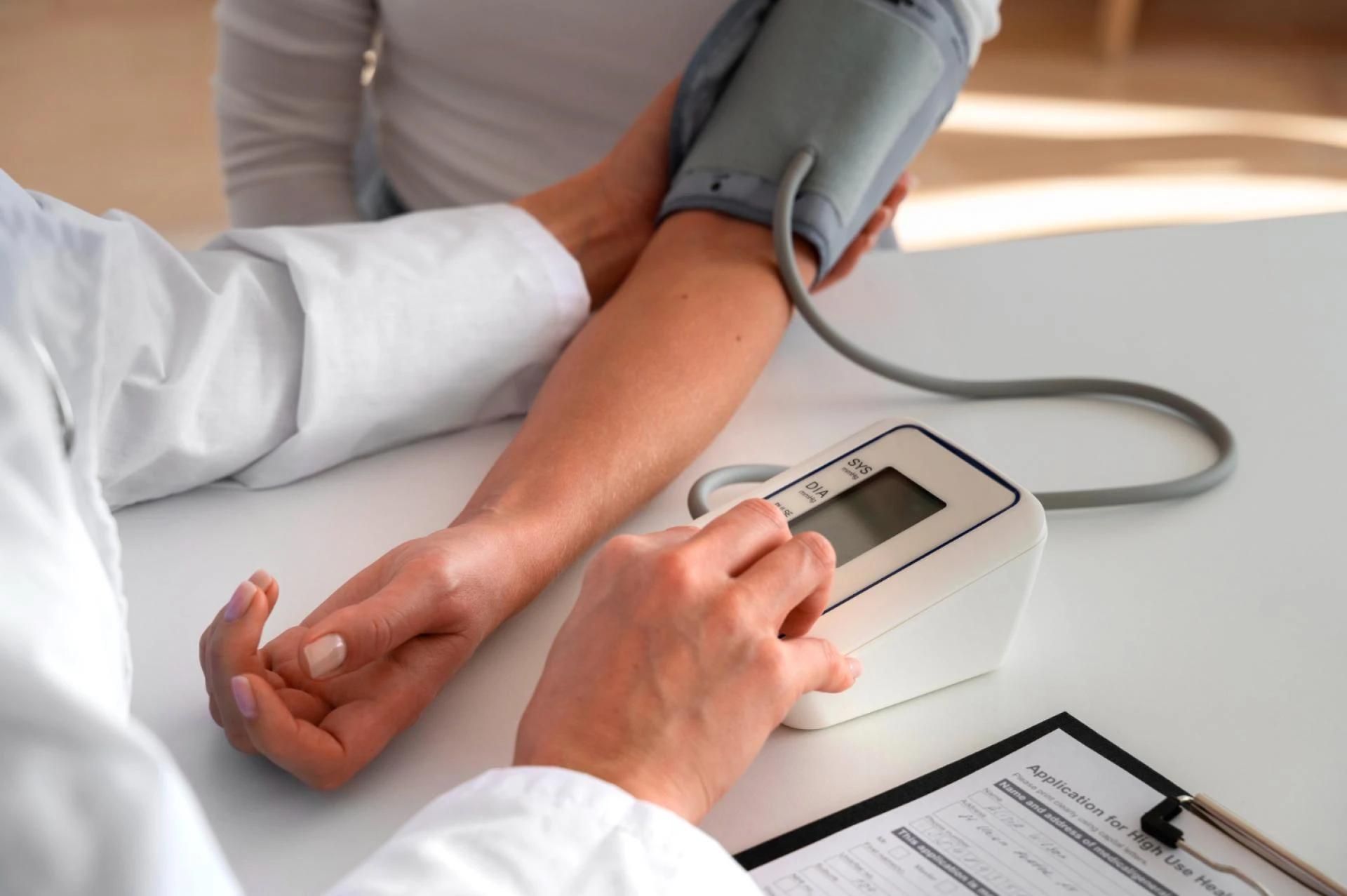
Blood pressure denotes that force which our circulating blood exerts on the arterial walls while the heart pumps. It has got an upper and lower range, known as systolic and diastolic pressure, respectively. Here is a brief description:
- Systolic pressure: It represents the higher value, indicating the pressure in your arteries as the heart muscles pump blood.
- Diastolic pressure: It is the lower pressure value in the arteries, when the heart momentarily rests between two respective beats.
Together, these two values give a specific pressure reading (generally expressed in millimetres of mercury or ‘mmHg’). The standard BP reading is 120/80 mmHg.
What is Considered Normal for Blood Pressure?
Blood pressure can be classified into several ranges – here is a comprehensive list:
- Normal: Less than or around 120/80 mmHg
- Higher than normal: A systolic pressure of 120-129 mmHg and a diastolic pressure slightly above 80 mmHg represents elevated blood pressure level.
- Hypertension (Stage 1): This happens when the systolic pressure has gone beyond 130 mmHg (around 140 mmHg) and the diastolic pressure falls between 80-90 mmHg.
- Hypertension (Stage 2): It is characterised by a systolic pressure of 140 mmHg or higher; with the diastolic pressure being 90 mmHg and above.
- Hypertensive crisis: When the blood pressure has crossed the 180 mmHg limit with the diastolic pressure being higher than 120 mmHg, it leads to hypertensive crisis. This condition requires urgent medical intervention.
A healthy adult’s blood pressure must fall below 120/80 mmHg. Routine monitoring becomes essential because BP levels can fluctuate any time due to various factors. To obtain a proper diagnosis for blood pressure and prevent it from spiking too high, contact a private doctor in London today. This will help you avert severe health risks in future.
What are the Common Causes for Elevated Blood Pressure?
Several factors may contribute to a rise in blood pressure. Some of these are controllable; however, others associate with family genetics and age. Here is a list of some common factors:
- Excessive consumption of salt (containing sodium): Too much sodium leads to water retention in the body, thus increasing the blood pressure levels.
- Sedentary lifestyle: Lack of exercise or physical activity contributes to fatty plaque deposition within the arterial walls. This constricts the blood vessels and raises the blood pressure.
- Chronic Stress: High stress levels can lead to temporary spikes in the blood pressure levels. This, over time can exaggerate the risk of hypertension and vascular damage.
- High alcohol consumption: Too much drinking of alcohol can increase pressure levels with time.
- Smoking: Nicotine is responsible for constricting the blood vessels and can lead to a higher blood pressure.
- Obesity: Being overweight or obese adds to the risk of cardiovascular disorders by straining the heart muscles.
- Genetic predisposition: An existing family history of hypertension makes you more prone to developing the same in near future.
- Age: Blood pressure naturally tends to rise as you grow old. This happens when the arterial walls stiffen.
What Helps Control Blood Pressure?
Fortunately, high blood pressure is manageable with implementation of certain positive lifestyle approaches. Below is a list of some effective ways that can help manage healthy blood pressure levels.
- Eat heart-friendly foods: Try having a diet which is low in sodium and high in potassium. For example, the DASH (Dietary Approaches to Stop Hypertension) diet. Include seasonal fruits, green vegetables, whole grains, and lean proteins as much as possible.
- Do regular workouts: Regular exercise (at least 30 minutes) burns excess fat and cleanses the arterial walls. Also, it keeps your muscles strong. Try cardio, and aerobic exercises, such as brisk walking, swimming, cycling, etc. to maintain your BP levels.
- Quit smoking and alcohol consumption: These unhealthy practices not only harm your heart, but they can also lead to other co-morbidities, such as, respiratory, hepatic, reproductive and immunological disorders. If you are someone who cannot leave the practices altogether; stick to small amounts and follow this consistently.
- Manage stress: Stress-induced blood pressure spikes can lead to chronic hypertension, with time. Practice relaxation techniques such as journaling, deep breathing, meditation and yoga to reduce stress.
- Take medicines as prescribed: If lifestyle changes fall short to control your blood pressure, take medicines such as, diuretics, beta-blockers, and ACE inhibitors.
What Issues can be Related?
Unmanaged high blood pressure, referred to as hypertension, may result in various severe health problems, such as:
- Heart disease: Elevated levels raise the risk of heart attacks and heart failure by putting extra strain on the heart.
- Stroke: High blood pressure may harm or weaken the brain's blood vessels, increasing the likelihood of experiencing a stroke.
- Kidney problems: Elevated levels may damage the blood vessels in the kidneys, resulting in kidney disease or failure.
- Vision impairment: High blood pressure can harm the eye's blood vessels, resulting in visual issues or potentially blindness.
- Aneurysm: Persistently elevated levels may lead to the weakening and swelling of blood vessels, creating an aneurysm that can burst and pose a serious risk to life.
- Cognitive deterioration: Prolonged elevated levels are linked to a higher risk of dementia and cognitive deterioration in later years.
Conclusion
Blood pressure is an essential indicator of your heart health, and maintaining it within a standard range is important for overall wellness. By knowing what leads to its increase and how to lower it with lifestyle adjustments, you can safeguard yourself from the significant health dangers linked to elevated levels. Keep in mind that consistent monitoring and an active approach to your health can have a significant impact. If you are at a high risk, talk to a reliable private doctor in London – they can help create a personalised treatment plan for you!