For many students, aviation looks exciting and aspirational. Uniforms, international exposure, and professional status attract thousands of young minds every year. However, aviation is not built on attraction—it is built on responsibility. Students who understand this early are the ones who succeed, grow, and sustain long-term careers in the aviation industry.
This blog explains why responsibility is the most important concept aviation students must understand before choosing this field.
Aviation Is a Responsibility-Based Industry
Unlike many professions, aviation involves direct responsibility for people. Whether you work in the cabin, at the airport, or in passenger services, your actions affect safety, comfort, and trust.
Aviation professionals are responsible for:
- Passenger well-being
- Safety compliance
- Accurate communication
- Team coordination
- Following procedures without error
This responsibility exists every day, not only during emergencies.
A structured air hostess course introduces students to this responsibility-driven mindset from the beginning of their training.
Why Responsibility Matters More Than Talent in Aviation
Talent may help students get noticed, but responsibility keeps them employed. Airlines and airports value individuals who:
- Take ownership of tasks
- Follow rules without shortcuts
- Admit mistakes and correct them
- Perform duties even when tired or stressed
Students who lack responsibility struggle to survive in aviation, regardless of their skills or confidence.
How Aviation Training Teaches Responsibility to Students
Responsibility is not taught through lectures alone. Aviation training builds responsibility through daily practice and accountability.
Training focuses on:
- Punctuality and time discipline
- Grooming and uniform standards
- Respect for hierarchy
- Task completion accuracy
- Professional communication
These habits teach students to be dependable before they are given real authority.
Why Students Must Learn Accountability Early
Accountability means accepting outcomes of your actions. In aviation, excuses are not acceptable because errors can affect many people.
Students trained in accountability learn to:
- Double-check their work
- Follow procedures exactly
- Remain alert during routine duties
- Take correction positively
This mindset prepares students for real operational environments.
Importance of a Structured Training Environment
Responsibility grows faster in structured environments. Students exposed to disciplined routines adapt more easily to airline systems.
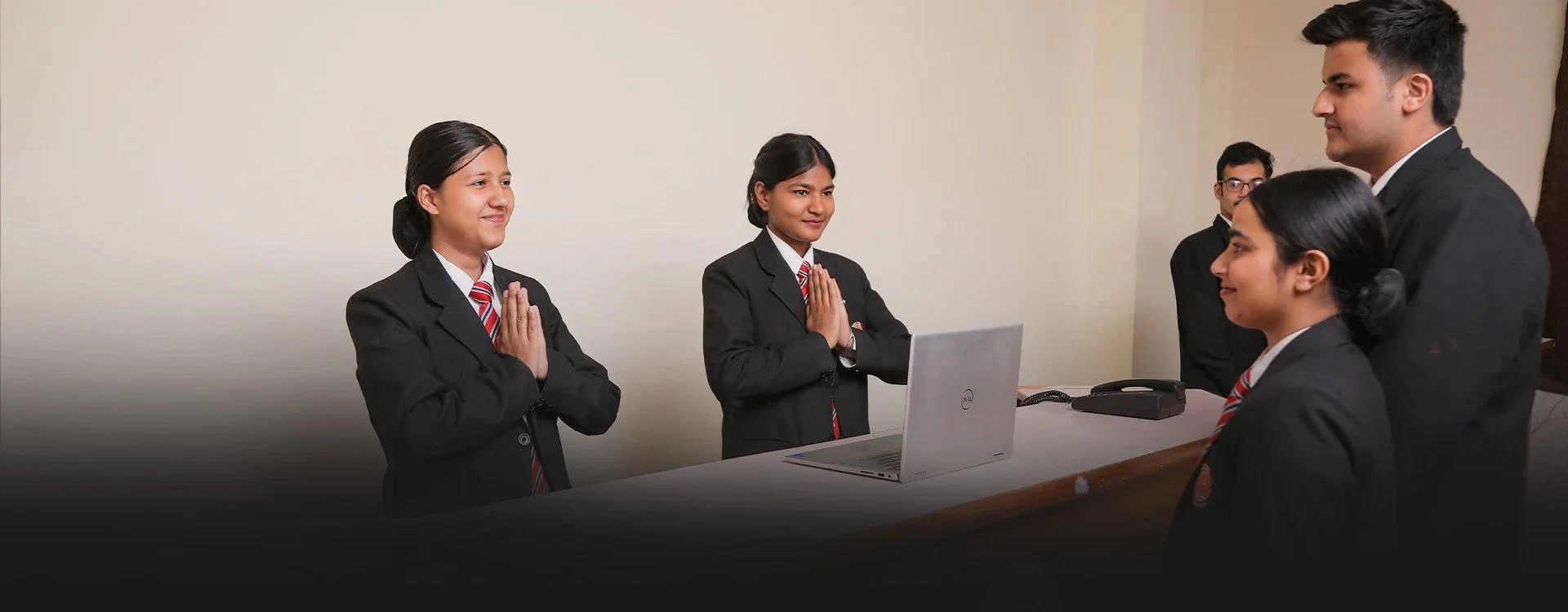
Choosing the Best air hostess training institute in Kolkata allows students to experience professional discipline, accountability, and industry-style expectations early in their journey.
A structured environment reduces the shock students feel when entering real aviation roles.
Emotional Responsibility in Passenger Handling
Aviation professionals deal with passengers who may be anxious, angry, or confused. Students must learn emotional responsibility—controlling personal emotions while supporting passengers professionally.
Training helps students:
- Remain calm under pressure
- Communicate politely during conflict
- Maintain authority respectfully
- Protect passenger confidence
Emotional responsibility is a critical skill in aviation service roles.
Why Responsibility Leads to Career Growth
Aviation careers are long-term for those who perform responsibly. Students who demonstrate responsibility often receive:
- Trust from seniors
- Leadership opportunities
- Promotions to supervisory roles
- Cross-functional exposure
Airlines promote professionals who can be trusted without constant supervision.
Role of Industry-Aligned Institutes for Students
Institutes aligned with aviation standards focus on preparing students for responsibility, not shortcuts.
Institutes like skytech aviation design training programs that reflect real airline and airport expectations, helping students understand professional responsibility from day one.
Such alignment ensures students are not misled by unrealistic promises.
Why Physical Training Locations Matter
Responsibility develops faster in professional physical environments. Being present in a structured training location improves accountability and discipline.
Training at our kolkata location helps students experience real schedules, teamwork, and performance standards that build responsible behavior.
Common Misunderstandings Students Should Avoid
Aviation students should avoid believing that:
- Aviation is only about appearance
- Confidence replaces responsibility
- Training is optional once selected
- Rules can be bent
These misunderstandings often lead to early career failure.
Why Skytech Aviation Is Suitable for Responsible Students
Skytech Aviation is best for doing course programs that prepare students for real aviation and airport industry expectations. They currently have offer:
- air hostess course
- airport managment course
- hospitality managment course
Their training emphasizes responsibility, discipline, and professional readiness rather than superficial attraction.
Final Message for Aviation Students
Aviation rewards responsibility more than talent. Students who understand the weight of responsibility, respect training, and commit to professional discipline are the ones who build stable and respected aviation careers.
Choosing aviation should be a decision based on responsibility, not just aspiration.