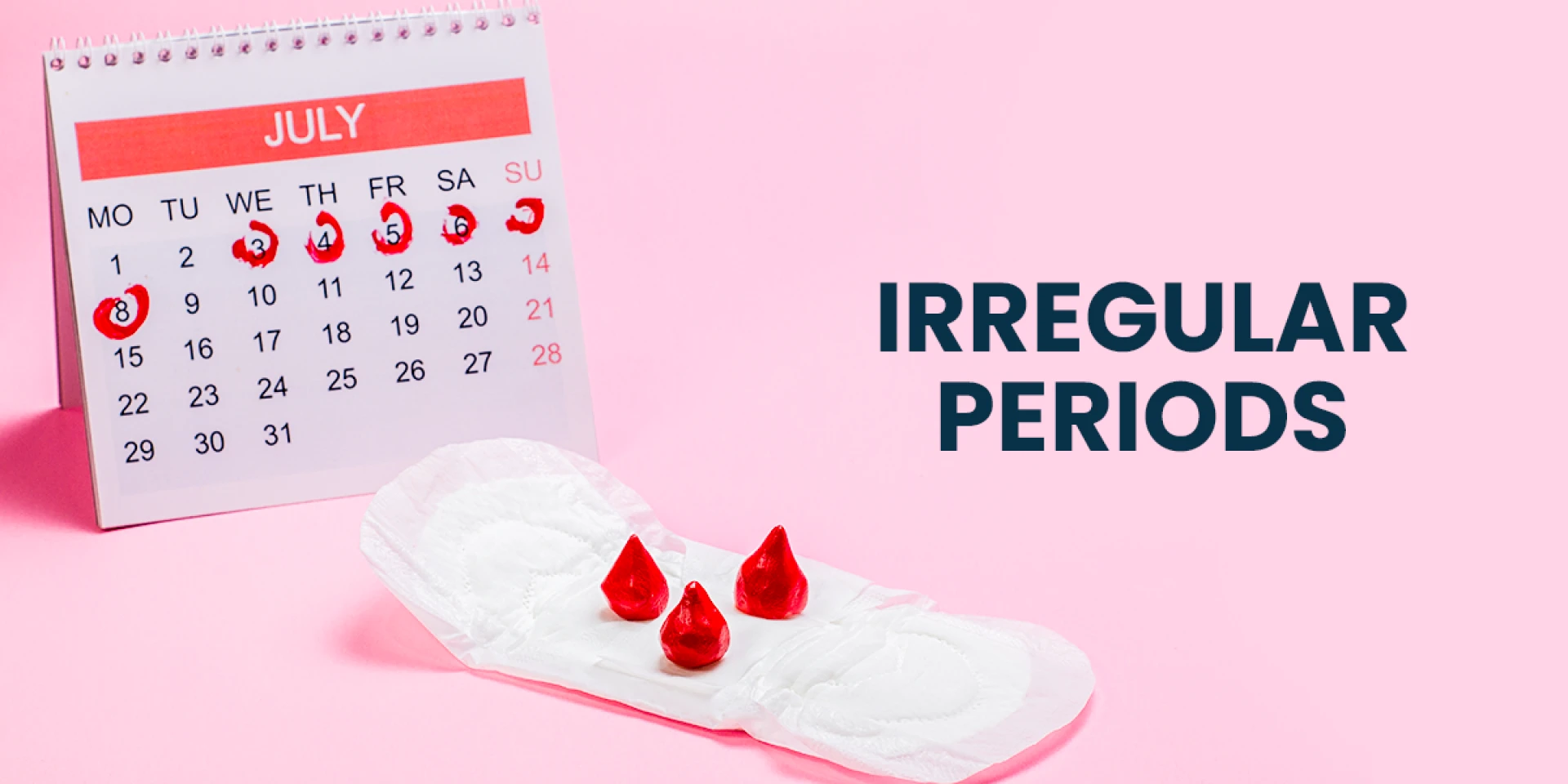
Irregular periods are a common concern among women of all ages. A regular menstrual cycle usually occurs every 21–35 days, but when periods come too early, too late, or are skipped altogether, it may indicate an underlying issue. Understanding why periods become irregular can help women take timely steps toward better reproductive health.
Common Causes of Irregular Periods
One of the most frequent reasons for irregular periods is hormonal imbalance. Hormones like estrogen and progesterone regulate the menstrual cycle, and any disruption can affect its regularity. Conditions such as polycystic ovary syndrome (PCOS), thyroid disorders, and elevated prolactin levels are common hormonal causes.
Lifestyle factors also play a significant role. Excessive stress, sudden weight gain or loss, poor nutrition, lack of sleep, and intense physical activity can interfere with the body’s natural rhythm. Emotional stress, in particular, affects the hypothalamus, the part of the brain that controls menstruation.
Medical conditions such as uterine fibroids, endometriosis, pelvic inflammatory disease, and diabetes may also lead to irregular cycles. In adolescents and women nearing menopause, irregular periods are often a natural response to changing hormone levels.
Effects of Irregular Menstrual Cycles
Irregular periods can affect more than just reproductive health. Many women experience heavy bleeding, severe cramps, fatigue, acne, mood swings, or anemia due to inconsistent cycles. Over time, untreated menstrual irregularities may contribute to fertility challenges, as irregular ovulation makes it harder to conceive.
Emotionally, unpredictable periods can cause anxiety and stress, especially for women trying to plan pregnancy or manage daily routines. That’s why identifying the cause early is important.
When to See a Doctor
If irregular periods persist for several months, are accompanied by severe pain, excessive bleeding, or sudden changes, medical consultation is essential. Expert evaluation ensures accurate diagnosis and timely treatment. Women seeking specialized women’s healthcare can benefit from best gynecology & cosmetic surgery care, available at Star Hospital Udaipur, which focuses on comprehensive diagnosis and personalized treatment plans. You can learn more at
Treatment and Solutions
Treatment for irregular periods depends on the underlying cause. Hormonal therapies, such as oral contraceptives or progesterone supplements, are often prescribed to regulate cycles. For thyroid or metabolic disorders, treating the primary condition usually restores menstrual regularity.
Lifestyle modifications are equally important. Maintaining a healthy weight, managing stress through yoga or meditation, eating a balanced diet, and ensuring adequate sleep can significantly improve cycle regularity.
Choosing the right specialist matters. Consulting the best gynecologist in udaipur rajasthan ensures expert care for menstrual, hormonal, and fertility-related concerns. Star Hospital Udaipur offers experienced gynecologists who provide evidence-based treatment and compassionate support. More details are available at
Irregular Periods and Pregnancy
Irregular periods can sometimes make it difficult to identify fertile days, which may delay conception. However, with proper medical guidance and cycle tracking, many women successfully conceive. Following a reliable pregnancy care guide is especially helpful for women planning pregnancy or already expecting, as it highlights lifestyle habits and precautions for a healthy journey. You can read a detailed guide here:
Promoting Women’s Health at Star Hospital Udaipur
Star Hospital Udaipur is committed to women’s wellness at every stage of life. From managing irregular periods to pregnancy care and advanced gynecological services, the hospital combines modern technology with patient-centered care. Promoting awareness and early treatment helps women lead healthier, more confident lives.
Conclusion
Irregular periods are often a signal that your body needs attention. While occasional changes may be normal, persistent irregularity should not be ignored. With early diagnosis, lifestyle improvements, and expert medical support, most menstrual issues can be effectively managed. Prioritizing your reproductive health today ensures long-term well-being and peace of mind.