Do you know how to respond if a child suddenly stopped breathing or if a colleague collapsed at work? Emergencies strike without warning—and often, the first few minutes can mean the difference between life and death. That’s why more people are recognising the power of preparation. Health care courses give everyday individuals the tools to handle unexpected situations with calm, skill, and confidence. Whether you’re at home, school, or out in the community, being trained can transform fear into action.
In a world where seconds count, relying solely on emergency services isn’t always enough. Having someone nearby who’s equipped with practical, life-saving skills can change the outcome entirely. The beauty of health care courses lies in their accessibility—these aren’t just for medical professionals. They’re designed for parents, teachers, students, coaches, and concerned citizens who want to step up, be ready, and make a real impact in critical situations. Because sometimes, the person who makes the difference… is you.
The Growing Importance of Health Care Courses
Whether you’re a parent, teacher, community volunteer or simply a responsible citizen, health care courses equip you with critical life-saving skills. From treating burns and wounds to recognising the signs of a stroke or cardiac arrest, these programmes ensure people of all ages and backgrounds can make a real difference in emergency situations.
CPR Training for Schools: Creating Lifesavers Early
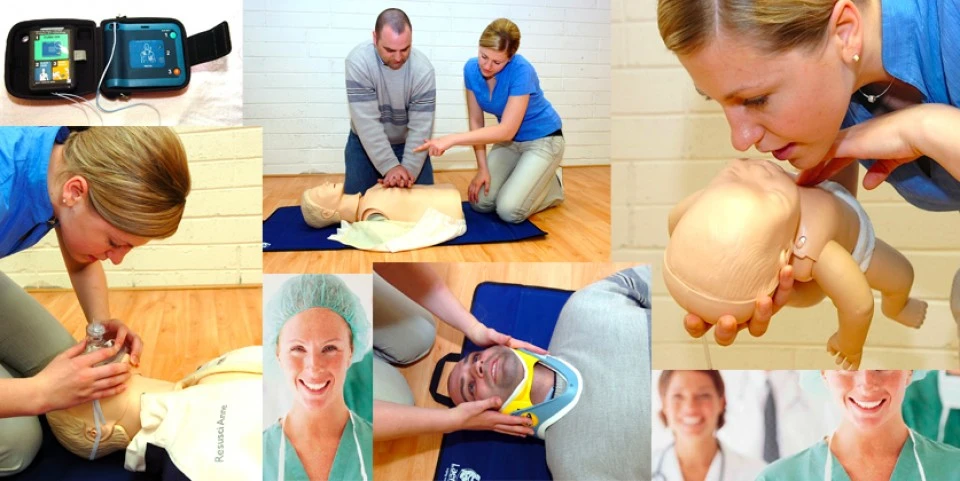
Sudden cardiac arrest can happen anywhere—even in schools. That’s why CPR training for schools is so valuable. Tailored to students and staff, these sessions teach:
· How to perform CPR safely and correctly
· When and how to use an AED (Automated External Defibrillator)
· Techniques suitable for children and teenagers
· Basic emergency response steps
By integrating CPR training into education, schools help shape a more resilient, responsive generation.
First Aid Training: A Skill for Life
First aid training goes far beyond plasters and bandages. It teaches people to:
· Respond to injuries, falls, and burns
· Manage asthma attacks or allergic reactions
· Apply the recovery position
· Handle choking or seizures with calm and clarity
Whether in the workplace, home or public spaces, these skills could mean the difference between life and death before emergency services arrive.
Emergency Medical Response Training: Going a Step Further
For those in roles likely to face more serious incidents—such as event staff, coaches, or community responders—emergency medical response training offers a deeper level of preparation. It typically includes:
· Assessing complex emergency scenes
· Handling multiple casualties
· Airway and trauma management
· Coordinating with paramedics and emergency teams
This kind of advanced training builds confidence and competence when every second counts.
Be the Person Who Steps In – Not Just the One Who Watches
You don’t need a medical degree to save a life. With the right knowledge and training, anyone can become a capable, calm first responder in an emergency. Enrolling in health care courses, including CPR training for schools, first aid training, or emergency medical response training, empowers you to act when it truly matters. By learning these essential skills, you’re not just protecting others—you’re building safer, stronger communities.
So why wait? Take the first step toward becoming someone others can rely on. Enrol today and help build a safer, stronger tomorrow.