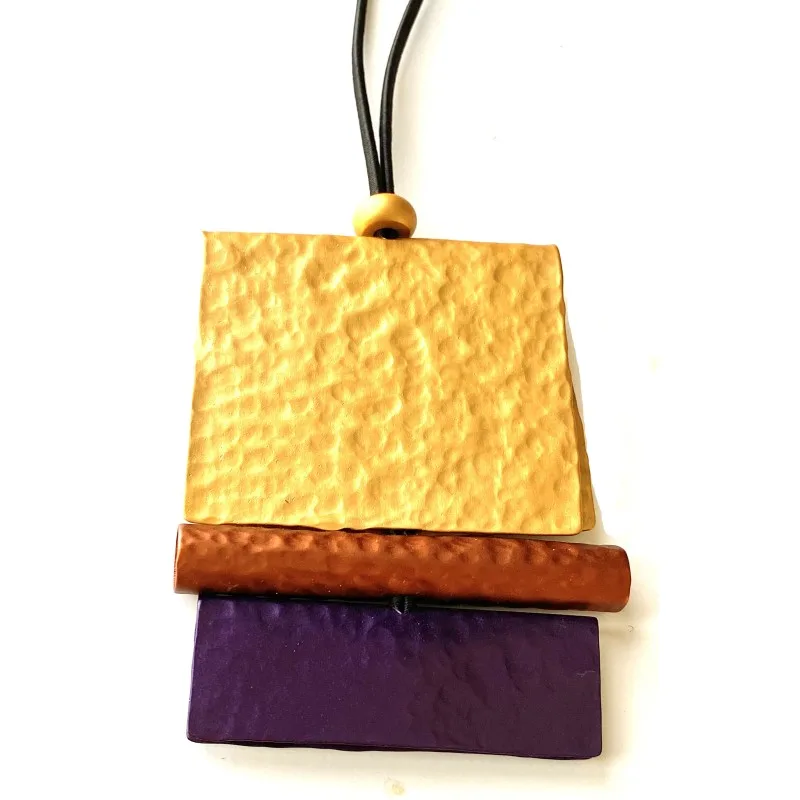
I have been in and out of jewelry markets for years now, and I gotta say, the earth tone beaded necklace thing isn't just a trend that'll fizzle out in six months. It's more like a correction, honestly. People got tired of the loud, in-your-face pieces that scream for attention and don't actually go with anything in their closet. Browns, terracottas, dusty greens, sandy creams — these colors just work. They work with your linen shirt, they work with your leather jacket, they work with pretty much whatever you're already wearing. There's a reason stylists keep circling back to this palette every couple seasons. It's not flashy, but it's not boring either. It sits in that sweet spot.
The Actual Appeal of an Earth Tone Beaded Necklace
Let's be real for a second. Not every piece of jewelry earns its place in your daily rotation. Most of it sits in a drawer after the third wear. But an earth tone beaded necklace tends to survive that culling process, and I think it's because the colors don't fight with your skin tone the way a lot of bright jewelry does. Warm browns and muted oranges flatter almost everyone, which sounds like a marketing line but it's just true. I've watched customers try on the same necklace in three different colorways and gravitate toward the earthy one nine times out of ten, even when they came in looking for something bolder. There's something grounding about it, no pun intended. It feels less like a costume piece and more like something you'd actually wear to work, then out to dinner, then again on the weekend without thinking twice.
Where European Design Jewelry Comes Into the Picture
Here's where it gets interesting, and this is the part a lot of shoppers don't realize until someone points it out. A huge chunk of the earth tone beaded necklaces you're seeing right now trace their design language back to European design jewelry traditions. I mean this in a real sense, not a marketing sense. European designers — Italian, Scandinavian, some of the smaller French ateliers too — have leaned into natural materials and muted palettes for decades. It's not new for them. What's new is that American and broader global markets are finally catching up to what European jewelers already understood: less can genuinely be more, and a necklace doesn't need rhinestones to make a statement. The clean lines, the emphasis on bead shape and texture over color saturation, that's a European sensibility bleeding into mainstream jewelry design.
Craftsmanship Still Matters, Maybe More Than Ever
I'll be blunt, a lot of mass-produced jewelry looks fine in a photo and falls apart within a month. The clasp bends, the string frays, the beads chip. European design jewelry generally doesn't have that problem, or at least not as often, because the manufacturing philosophy tends to prioritize durability alongside aesthetics. When you're paying attention to an earth tone beaded necklace, check the bead material closely. Wood, ceramic, natural stone, even resin done well, all of these hold color better over time than cheap plastic imitations. Cheap plastic fades, it goes chalky, and honestly it just looks sad after a few months in the sun. Spend a little more up front and you'll wear the thing for years instead of tossing it after one summer.

How to Actually Wear These Without Overthinking It
People overcomplicate jewelry styling way more than they need to. An earth tone beaded necklace is about as forgiving as accessories get. Throw it over a plain white tee and it instantly looks intentional. Layer it under a linen button-down with the top two buttons open and you've got a whole vibe going without trying. I've seen women pair these with everything from summer sundresses to structured blazers, and it works because the color palette doesn't clash with prints or patterns the way a bright turquoise necklace might. If you're nervous about layering multiple necklaces at once, which is a whole trend on its own, earth tones make that experiment way less risky. Different bead sizes, different textures, same general color family — it reads as curated instead of cluttered.
A Quick Note on Layering Multiple Pieces
Don't be afraid to mix a chunkier wood bead necklace with a thinner, more delicate chain in a similar tone. This is actually a technique borrowed pretty directly from European design jewelry houses, who've been doing tonal layering for ages while a lot of American brands were still pushing matched sets. The trick, if you can call it that, is varying the lengths. One sits at the collarbone, one drops a couple inches lower. It creates depth without looking like you just grabbed everything in your jewelry box and put it on at once, which, let's be honest, is what layering can look like when it's done wrong.
Materials You'll Commonly Find in These Necklaces
Wood beads show up constantly, and for good reason, they're lightweight and they naturally fall into that earth tone family without any dye needed. Ceramic beads are another common choice, and they can be glazed to hit those warm terracotta and clay shades really precisely. Natural stone, things like tiger's eye, jasper, or unpolished agate, brings texture variation that beads alone can't really replicate. Some of the higher-end European design jewelry pieces mix in brass or antique gold accents between the beads, which adds a bit of shine without pulling the whole piece away from its earthy roots. I personally think the mixed-material pieces age the best. Pure wood can look a little plain after a while. A little metal breaks it up.

Is This Just a Passing Trend or Something More Permanent?
I get asked this a lot, and my honest answer is it depends on how you define trend. Fashion cycles move fast, sure, but earth tones specifically have shown up again and again across decades because they're tied to something more basic than fashion — they're tied to nature, to comfort, to a kind of visual quiet that people crave when everything else feels loud. An earth tone beaded necklace isn't chasing a TikTok algorithm the way some accessories are. It's closer to a wardrobe staple, like a good pair of jeans. Styles around it will shift, sure, chunkier one year, more delicate the next, but the color family itself isn't going anywhere anytime soon.
Buying Tips If You're Shopping for One
Don't just buy based on the product photo, and I mean this seriously. Lighting in photos can make a dull brown look rich and warm when in person it's actually kind of flat. If you're buying online, look for close-up shots of the actual bead texture, and check reviews for mentions of color accuracy. If you're leaning toward pieces marketed as European design jewelry, look into where the piece is actually manufactured, not just designed. A lot of brands will say "European inspired" when the actual production happened somewhere else entirely with lower quality materials. That's not automatically a bad thing, but you should know what you're paying for. Ask about the clasp type too, lobster clasps tend to hold up better than the small spring rings that come standard on a lot of budget necklaces.
Caring for Your Necklace So It Actually Lasts
Take it off before you shower, before you swim, before you put on lotion or perfume. This sounds obvious but I promise half the people who complain about their necklace looking worn out skipped this step. Wood and ceramic beads especially don't love moisture or chemicals, they can crack or discolor over time. Store it flat or hanging rather than balled up in a drawer, tangled cords are a pain and constant tugging weakens the string. Every few months, give it a gentle wipe with a dry cloth. That's really it. These aren't high-maintenance pieces, they just need a little basic respect.

Wrapping This Up
At the end of the day, an earth tone beaded necklace is one of those rare pieces that manages to be both easy and elevated at the same time. It doesn't demand attention, but it earns it anyway, quietly. And when you pair that with the craftsmanship philosophy behind a lot of European design jewelry, you end up with something that's genuinely built to last, not just built to photograph well for one season. Whether you're buying your first piece or adding to a collection you've been building for years, the earth tone palette is a safe bet that still manages to feel personal. Give it a shot. Worst case, it becomes the one necklace you reach for without even thinking about it, which honestly is the whole point.
FAQs
What makes an earth tone beaded necklace different from other beaded necklaces?
It mostly comes down to color palette and material choice. Earth tone pieces lean into browns, terracottas, sand, and muted greens, usually using natural materials like wood, ceramic, or stone rather than bright dyed plastic beads.
Is European design jewelry more expensive than other jewelry styles?
It can be, but not always. The price difference usually reflects craftsmanship and material quality rather than the label itself, so it's worth checking construction details before assuming a higher price tag automatically means better quality.
Can I wear an earth tone beaded necklace every day?
Yes, and honestly that's the whole appeal. These pieces are designed to be low-maintenance and versatile enough to go from casual to slightly dressed-up without needing to swap it out.
How do I know if a necklace is genuinely European design jewelry?
Look past the marketing language and check where the piece is actually manufactured, ask about the designer or brand's history, and pay attention to construction quality like clasp type and bead finishing.
What's the best way to store a beaded necklace to prevent damage?
Keep it flat or hung up rather than tangled in a drawer, avoid moisture and lotions, and give it an occasional gentle wipe down with a dry cloth.