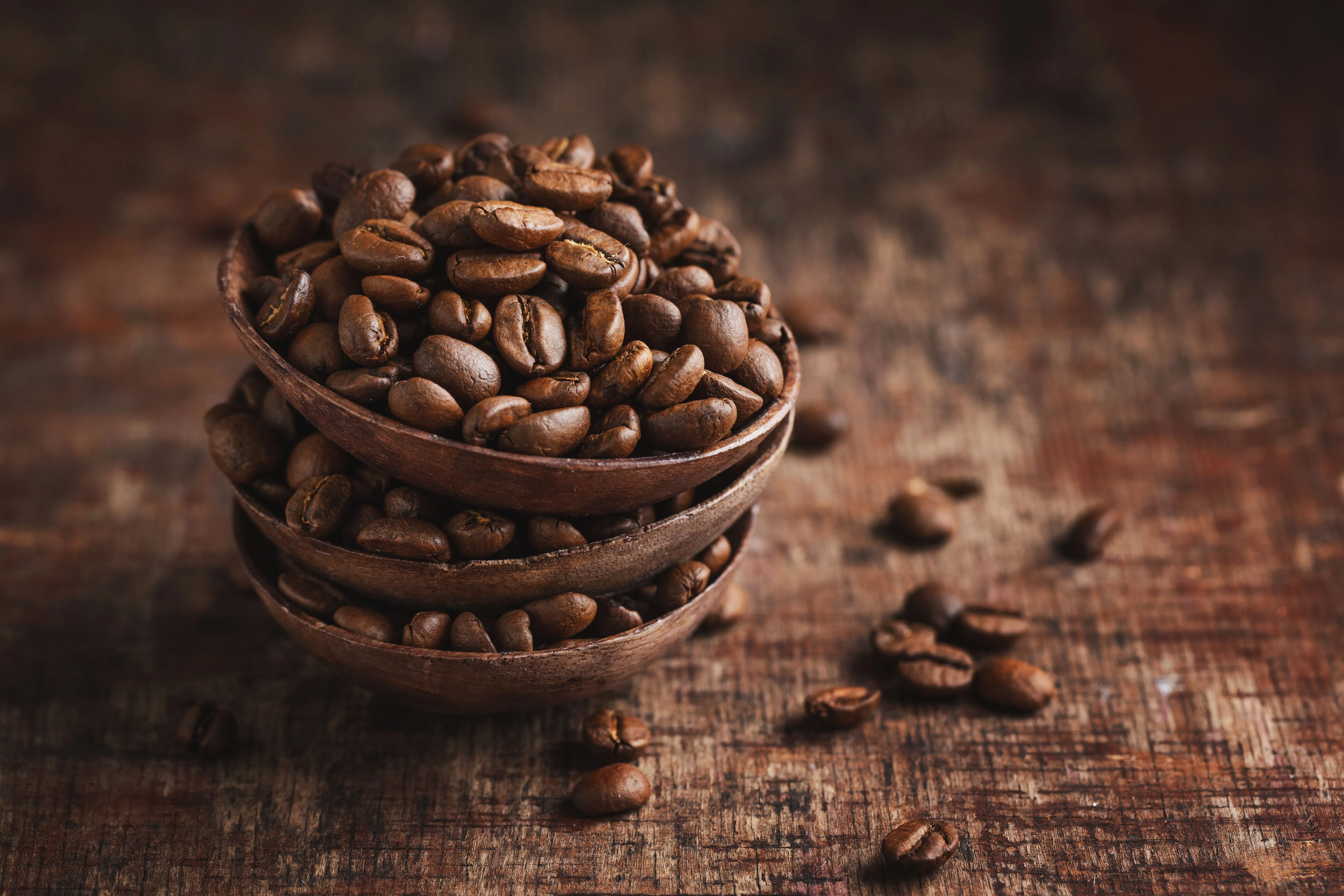
Arabica coffee beans account for roughly 60% to 70% of global coffee production and are the undisputed foundation of specialty coffee culture. Renowned for their smooth, complex flavors and lack of harsh bitterness, these beans offer a premium drinking experience.
The Flavor Profile
What sets Arabica apart is its remarkable nuance. While cheaper commercial blends often taste one-dimensional, a well-roasted Arabica can exhibit distinct tasting notes based on where it was grown:
- Fruity and Floral: Berries, citrus, and jasmine (common in Ethiopian and Kenyan beans).
- Sweet and Sugary: Caramel, honey, and milk chocolate (typical of Central and South American beans).
- Nutty and Earthy: Almonds, pecan, and mild spice.
Because they contain about half the caffeine of their main rival, Robusta, Arabica beans deliver a smoother, less astringent cup with higher acidity—a trait coffee professionals highly prize for its crisp, bright finish.
Cultivation: High Altitude, High Effort
Arabica is a notoriously fragile crop. The Coffea arabica plant demands very specific growing conditions to thrive, which is why premium coffee commands a higher price.
RequirementArabica Optimal ConditionsAltitude2,000 to 6,000 feet (600 - 1800 meters)ClimateSubtropical, 59°F to 75°F (15°C to 24°C)Rainfall60 inches annually, evenly distributedVulnerabilityHighly susceptible to pests and coffee leaf rustBecause the plant grows at higher elevations where temperatures are cooler, the coffee cherries mature slowly. This extended development time is exactly what allows the beans to accumulate their complex sugars and distinctive aromatics.
Explore exactly how Arabica stacks up against the hardier Robusta bean in this interactive comparison:
How to Brew the Best Cup
To get the most out of high-quality arabica coffee beans, skip the boiling water and the drip machine hot plate.
1.Grind Fresh:A burr grinder is essential.
Grind the beans right before brewing. Whole beans trap the volatile oils that give Arabica its unique aromatics; pre-ground coffee loses these within hours.
2.Manage Water Temperature:Target 195°F to 205°F.
Never use boiling water, which scorches the delicate sugars and introduces bitterness. Let a kettle sit for 30 to 60 seconds off the boil before pouring.
3.Choose the Right Method:
Light-roast Arabicas shine in pour-over methods (like a V60 or Chemex) which filter out heavy oils to highlight their floral and fruity notes. Medium roasts work beautifully in immersion methods like an Aeropress or French Press.
Arabica coffee beans are the undisputed kings of the global coffee market, accounting for roughly 60% to 70% of all coffee produced worldwide. Known for their smooth, complex flavors and lack of harsh bitterness, these beans are the foundation of specialty coffee culture.