In today’s time, where modern furniture has found its place in the world of interior design, traditional home décor still holds its relevance. Antique Persian carpets are an example of woven finery that holds immense value even today. The fine textures and weaving techniques cannot be found in ‘fast furniture’.
It is the discerning collectors who know that these Persian carpets are not just decorative items, but history wrapped in fine techniques and culture. These antique carpets are valuable pieces that add warmth and colour to traditional and contemporary spaces.
What Makes An Antique Persian Carpet A Great Investment For Your Home?
A Persian carpet is not antique just because it has completed the 100-year mark. It is the traditional techniques and weaving styles that it has carried through the centuries. These antique Persian carpets represent regional styles that have been designed and woven on the carpets with traditional techniques.
Every antique Persian carpet showcases the weaving style and knotting techniques. The Persian carpets were woven on traditional looms. As a result, these traditional pieces are not flawless like the machine-made rugs. The Persian carpets display irregularities that are a sign of hand weaving. This is what adds to the authenticity of these antique carpets and gives every piece its own identity.
Material Integrity Like None Other
Persian carpets that were made in the 16th and 17th centuries have been preserved and passed down over a long period. The fact that these carpets have been able to withstand decades of use without losing their beauty is astonishing. Antique Persian carpets were woven with hand-spun wool, using high-knot density weaving techniques. The natural lanolin content in the wool is what protects the fibre from stains and wear.
Proper care and maintenance are needed to retain the beauty of these Persian carpets.
Natural Dyes and Abrash: One Of A Kind
The traditional weavers used natural dyes to create patterns and designs on the carpets. The pigments derived from indigo, walnut husks and pomegranate skins were used as colours. Over time, these pigments undergo oxidation, resulting in Abrash. This subtle variation in the hue adds to the depth of the patterns, which is impossible to achieve with synthetic dyes.
The Weaver’s Story and Regional Culture
Every antique Persian carpet has its own story to tell. The patterns and designs on the carpet were the mastery of craftsmen from various regions. Each region had its own culture and handwriting, which can be seen in different carpet pieces. The unique patterns and texts represent the local culture from where the craftsman belonged.
Some patterns that you should look for:
● Isfahan, Kashan, and Tabriz represent a particular pattern and style of weaving. These carpets were created in traditional workshops and featured high knot densities. Floral designs were a common pattern that was created on these carpets. These Persian carpets were prepared over years of precise weaving on fixed vertical looms. These Persian carpets were commissioned for royalty and still carry traces of fine weaving.
● Bakhtiari and Qashqai represent the tribal style of weaving. These Persian carpets feature geometrical motifs and tribal symbols. Symbols like lions and peacocks are commonly seen on these carpets. The type of pattern present on the carpet represented the weaver’s regional lifestyle and the culture of that time.
Traditional Weaves Excel in Modern Interiors
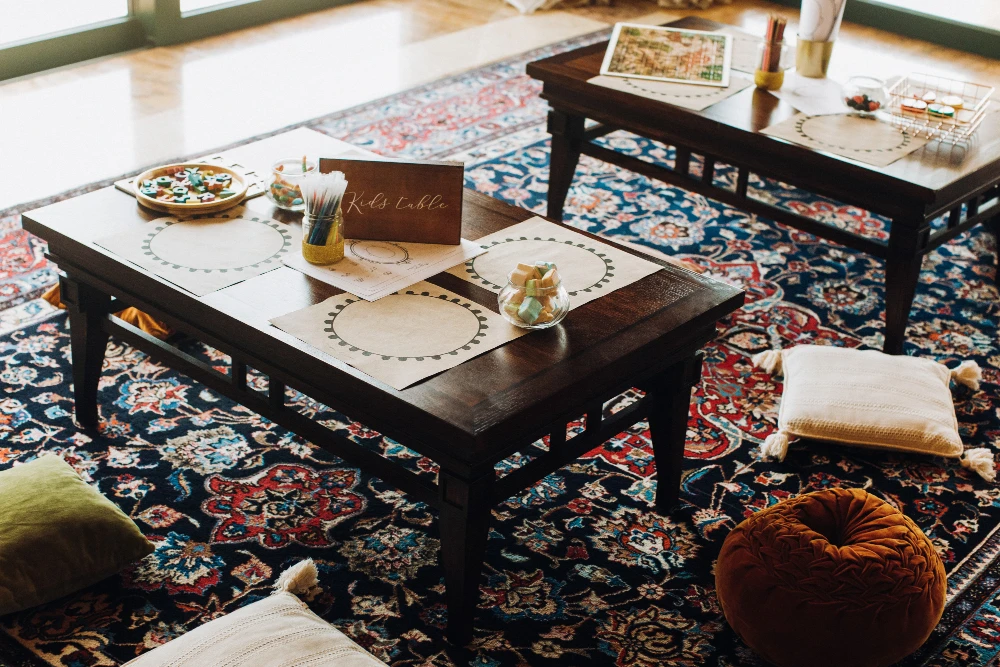
The best aspect of antique Persian carpets is their aesthetic versatility. The traditional patterns and patina complement the minimalist furniture. The rich textures of the carpets add dimension to the subtle lines of modern furniture. Designers use these antique crafts to add warmth and depth to the modern spaces.
Moreover, antique Persian carpets are a sustainable investment. These carpets have been passed down over centuries and can withstand stains and wear. Unlike machine-made rugs, these antique pieces are hand-knotted and durable heirlooms that hold immense value.
The Importance of Authenticity and Restoration
Antique Persian carpets are gaining a lot of importance, and it is necessary to check the authenticity of these antique pieces. Not every Persian carpet labelled as antique is an authentic piece. Therefore, it is important to have relevant knowledge about the origin, weaving technique, and age of the carpet to determine the authenticity of the rugs.
Another important aspect of owning an antique carpet is its proper maintenance. Galleries and collectors take proper care of these antique pieces by restoring them. Cleaning of such carpets includes stain removal, moth prevention, and preservation of dyes and fibres. Proper maintenance is essential to ensure that these antique artefacts remain intact.
The Role of Persian Carpet in Modern Curation
Antique Persian rugs carry traditional weaving techniques that are extinct today. Every fibre and pattern translates a cultural story that has been passed down for centuries. Specialist galleries like Absolute Rugs have a well-curated collection of authentic antique Persian rugs. With decades of experience to assess materials, origin, and technique, they have been able to source and preserve these artifacts that are now available to collectors.