
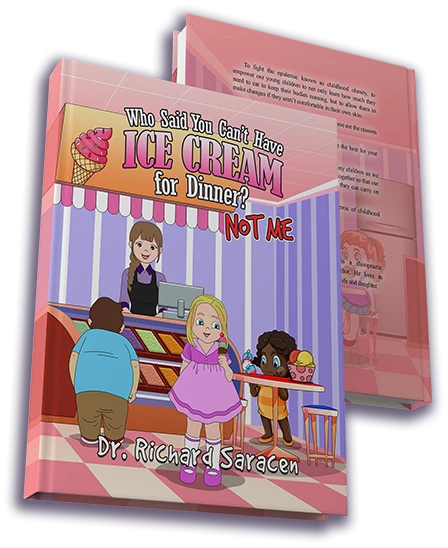
Bullying can leave deep emotional scars, shaping how children view themselves and others. Anti-bullying books for children provide a safe and approachable way to start difficult conversations. They teach kids to recognize unkind behaviors, understand feelings, and respond thoughtfully. These stories help children grasp concepts like empathy and respect early on, which form the foundation for healthy relationships.
Stories That Speak to Young Hearts
Children absorb lessons best through examples. Reading about characters facing challenges makes abstract ideas like kindness real. Kids see the consequences of actions and how positive choices create better outcomes. For instance:
- Characters standing up for classmates in need
- Understanding how words can hurt or heal
- Learning to include others, even those who seem different
Through these stories, children develop an intuitive understanding of respect. They don’t just hear rules, they see how empathy works in action.
How Books Support Emotional Growth?
Bullying doesn’t just affect social life; it can harm mental health and self-esteem. Books designed for children give them tools to navigate emotions:
- Identifying feelings such as sadness, anger, or fear
- Practicing calm responses instead of reactive aggression
- Encouraging discussions with parents, teachers, or peers
For example, children reading about anti-bullying for overweight children understand that body shaming is unacceptable. This awareness promotes inclusive thinking and compassion toward peers who may feel vulnerable.
Making Lessons Stick Through Relatable Characters
Kids connect with characters similar to themselves. Seeing someone struggle yet triumph reinforces belief in their own resilience. Books can depict everyday school situations: playground disagreements, lunchroom taunts, or online teasing. This helps children see that challenges can be overcome with courage and thoughtful choices.
Turning Lessons Into Everyday Actions
Reading about empathy and kindness is only the first step. Children need opportunities to practice these behaviors daily. For example, they can invite a new classmate to play, share materials without being asked, or politely correct unkind comments. Reinforcing these small acts helps kids internalize lessons and transform story-based examples into real-world actions.
Parents and Educators: Guiding Conversations
Books are not just for children; they’re tools for adults to guide important discussions. Adults can:
- Ask open-ended questions about a character’s choices
- Discuss real-life scenarios and role-play responses
- Reinforce that seeking help is okay
Using Reflection to Deepen Understanding
After reading, children benefit from guided reflection. Asking questions like, “How would you feel if this happened to you?” or “What could the character do differently?” encourages them to connect emotionally with the story. Reflection strengthens moral reasoning and allows children to think critically about their choices, fostering a stronger sense of personal responsibility and empathy.
Building a Culture of Respect Early
When children are exposed to these lessons early, they’re more likely to exhibit positive behaviors naturally. They learn that:
- Inclusion matters more than exclusion
- Differences are worth celebrating, not mocking
- Standing up for someone is brave and right
Books offer repeated exposure to these ideas, reinforcing values that children carry into school and beyond.
Celebrating Kindness to Motivate Change
Recognizing positive behavior reinforces learning and encourages repetition. Parents and teachers can celebrate small victories, such as including someone new in a game or offering support to a peer. Highlighting these moments motivates children to continue practicing empathy, creating a positive feedback loop that nurtures respect, understanding, and compassionate behavior in everyday interactions.
The Long-Term Benefits
Early lessons in empathy and respect have ripple effects:
- Healthier friendships and social networks
- Improved conflict resolution skills
- Reduced the likelihood of bullying behaviors later in life
Kids practicing empathy from a young age often become adults who value fairness and cooperation in diverse environments.
Encouraging Engagement Through Stories
Choosing the right books can make a huge difference. Look for stories that are:
- Age-appropriate and relatable
- Inclusive of various backgrounds and experiences
- Focused on actionable lessons, not just moralizing
Parents and teachers can integrate these books into reading sessions near you, sparking discussions and reflection in everyday settings.
End Summary
Anti-bullying books for children are more than reading material; they’re a bridge to empathy, compassion, and respect. By addressing issues like anti-bullying for overweight children and other challenges, these books equip children with practical tools to navigate social situations confidently. Engaging kids with thoughtful stories helps lay the groundwork for a kinder, more understanding future, one child at a time.