
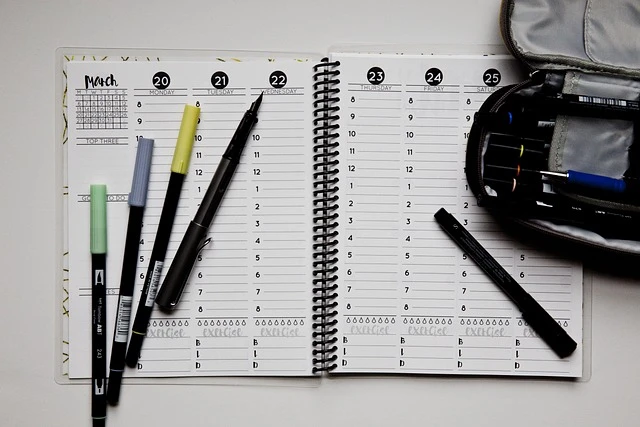
In today’s fast-paced world, staying organized isn’t just helpful—it’s essential. With appointments, deadlines, errands, and personal goals constantly competing for our attention, it’s easy to feel like we’re spinning our wheels without gaining real traction. That’s where a weekly planner pad comes in. It might look like a simple sheet of paper, but in practice, it’s a strategic powerhouse for clarity, control, and productivity.
Despite the abundance of digital tools, the weekly planner pad continues to hold a valuable place in both home and professional settings. In fact, it’s enjoying a resurgence in popularity as more people turn to physical, visual methods to manage their time, focus their energy, and maintain balance. If you’ve ever felt overwhelmed by the chaos of an unstructured week, this guide will show you how a weekly planner pad can transform your approach to time management in 2025.
What Is a Weekly Planner Pad?
A weekly planner pad is a paper-based planning tool, usually designed with a horizontal or vertical layout showing all seven days of the week. Some include sections for priorities, to-do lists, meals, habits, or notes. The format is flexible and often comes in a tear-off pad style, making it easy to use a new sheet for each week.
Unlike traditional planners or digital calendars, a weekly planner pad provides a simple, at-a-glance view of your entire week. It’s not weighed down with monthly overviews or long-term goal tracking—it’s built specifically to help you focus on this week, right now.
The beauty of a weekly planner pad lies in its adaptability. It works for everyone—from busy professionals managing meetings to parents organizing family schedules to students juggling coursework. It doesn’t require batteries or Wi-Fi. It doesn’t buzz, ping, or distract. It just quietly helps you stay focused.
The Power of Planning by the Week
Why plan weekly rather than daily or monthly? Because the week is the perfect unit of time for most people’s lives. It’s short enough to manage in detail, but long enough to accommodate larger goals. With a weekly view, you can plan strategically without getting bogged down in the minute-by-minute micromanagement of a daily schedule.
Weekly planning helps you:
- Spot bottlenecks early: You can see where your schedule is overloaded and make adjustments.
- Distribute tasks: Instead of front-loading your week with everything on Monday, you can spread work more evenly.
- Create balance: You’re able to schedule both work and rest, ensuring you don’t burn out before the weekend.
- Track progress: You can reflect on what got done last week and carry over what still matters.
It’s especially helpful for those managing multiple roles or responsibilities. Whether you're freelancing, managing a household, or leading a team, planning your week on paper brings structure without stress.
Benefits of a Physical Weekly Planner Pad
While apps and digital calendars have their place, the physical act of writing out your schedule taps into something deeper. Writing by hand improves focus, memory retention, and emotional engagement. You’re more likely to follow through on something you’ve written down than something you tapped into an app.
With a weekly planner pad, your plans are visible at a glance. You can leave it on your desk, kitchen counter, or corkboard, making it a visual cue that keeps your priorities front and center. You don’t need to open an app, scroll through screens, or fight distraction—you just look.
It’s also easier to personalize. Add doodles, color-code tasks, highlight priorities, or scribble in last-minute changes. There’s no limit to how creative or simple you can be. Plus, there's no learning curve. You don’t need to “figure out” your planner pad—it just works.
How to Use a Weekly Planner Pad Effectively
Start your week with a planning session—Sunday evening or Monday morning tends to work best for most people. Grab your planner pad, a pen (or a few if you like to color-code), and anything else you need to reference: your calendar, work deadlines, family commitments, or school schedules.
- Block out the non-negotiables
- Start by filling in fixed appointments or deadlines. These are the anchor points of your week—meetings, classes, events, or due dates.
- Add your priorities
- Next, write down 1–3 key goals or tasks for each day. What do you need to accomplish? What’s urgent versus important? Spread your work across the week instead of overloading a single day.
- Include personal time
- Don’t forget meals, workouts, downtime, and social activities. A good weekly planner pad isn’t just about productivity—it’s about balance.
- Leave room for the unexpected
- Life is unpredictable. Give yourself some buffer space each day to accommodate changes or overflow tasks.
- Review and adjust daily
- Spend a few minutes each evening or morning reviewing your plan. Check off what you accomplished, move anything you didn’t finish, and adjust as needed.
Different Ways to Use Your Weekly Planner Pad
Your weekly planner pad doesn’t have to be used in just one way. Its flexibility makes it useful for a variety of needs:
- Work planner: Track meetings, deadlines, focus blocks, and team check-ins.
- Family organizer: Schedule school events, meals, chores, and appointments.
- Wellness tracker: Plan workouts, meals, hydration, and mindfulness breaks.
- Academic scheduler: Map out classes, study time, assignments, and tests.
- Creative planning: Use it to plan writing schedules, content creation, or design projects.
- Business planning: Track client work, sales calls, marketing efforts, and financial reviews.
Some people even use multiple weekly planner pads—one for work, one for home, and one for personal growth or self-care.
Weekly Planner Pads vs. Traditional Planners
A traditional planner is typically bound like a book and includes monthly calendars, notes, goal pages, and more. While this structure works for some, it can feel heavy or overly complex for those who just want a quick, simple way to map out the week.
The weekly planner pad strips away the extras and focuses only on the present. You’re not looking at six months down the road—you’re asking: What do I need to do this week? For many people, that’s a welcome change.
It also offers a clean slate each week. Tear off a fresh sheet, start anew, and leave last week’s chaos behind. This ritual alone can be therapeutic—especially if you had a particularly stressful week.
Choosing the Right Weekly Planner Pad
When shopping for a weekly planner pad, look for features that match your needs:
- Layout style: Horizontal vs. vertical days, Monday start vs. Sunday start.
- Size: Letter-sized for desk use or smaller for portability.
- Sections: Some include priority boxes, habit trackers, or blank spaces.
- Design: Clean and minimalist or colorful and artistic.
- Binding: Tear-off pads, spiral-bound, or magnetic for fridge or file cabinet use.
You may need to try a few styles before you find your favorite, but once you do, it becomes an indispensable part of your routine.
Final Thoughts: Planning with Intention in 2025
In an era defined by speed, screens, and distraction, the weekly planner pad is a gentle but powerful way to reclaim your time. It’s not about doing more—it’s about doing what matters, with focus and intention.
This simple tool can change how you approach your week. It brings your schedule into clear view, helps you prioritize tasks, and reminds you to make time for both work and rest. Best of all, it empowers you to create structure on your terms—without digital noise.
So if your week often feels scattered or reactive, give a weekly planner pad a try. You might be surprised how much clarity a sheet of paper can bring—and how it can help you move through life with greater purpose, peace, and productivity.