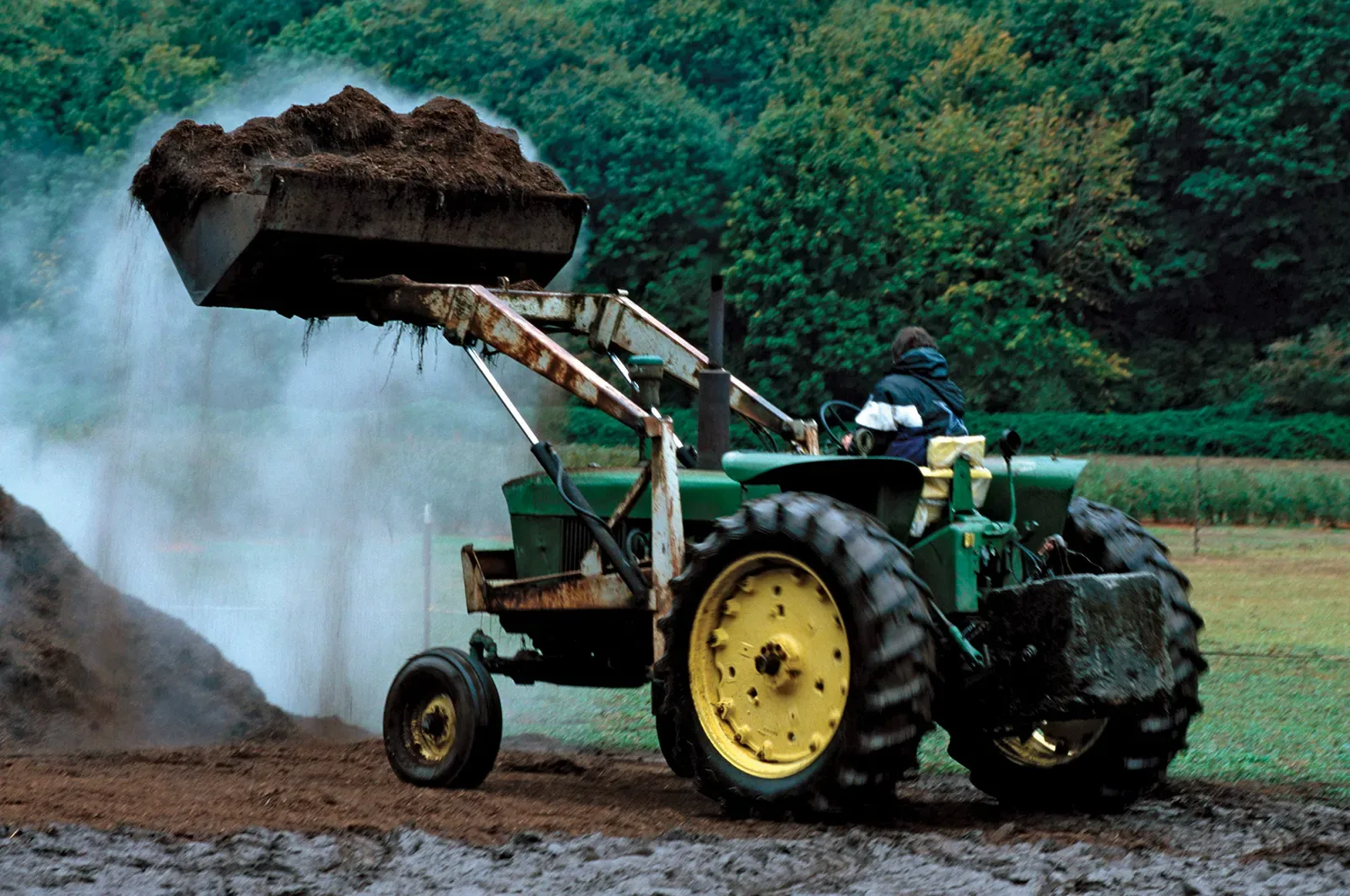
For many farmers, buying a tractor is one of the biggest investments they will ever make. While a brand-new machine comes with the latest technology and features, it also comes with a high price tag. That is why many experienced farmers choose an old tractor instead. A well-maintained old tractor can deliver reliable performance, lower ownership costs, and excellent value for years.
If you are planning to expand your farm, replace an aging machine, or purchase your first tractor, an old tractor deserves serious consideration. With the right inspection and maintenance, it can handle everyday farming tasks just as efficiently as many newer models.
In this guide, you'll learn why an old tractor can be a smart investment, what benefits it offers, and what to check before making a purchase.
Why Farmers Still Prefer Old Tractors
Agriculture has changed significantly over the years, but one thing remains the same—farmers need dependable equipment. Many older tractors were designed with durability in mind. Their simple mechanical systems make them easier to repair and maintain, especially in rural areas where advanced service centers may not always be available.
Unlike modern tractors filled with electronic controls and sensors, many old tractors can be repaired by local mechanics using readily available parts. This reduces downtime during crucial farming seasons.
For farmers who mainly need a tractor for ploughing, sowing, hauling, spraying, or transporting goods, an older machine often provides everything required without unnecessary complexity.
Lower Purchase Cost
The biggest advantage of buying an old tractor is affordability.
A new tractor requires a significant investment, and many farmers need loans to finance the purchase. Monthly repayments can put pressure on farm income, especially during years with unpredictable weather or fluctuating crop prices.
An old tractor usually costs much less while still offering dependable performance. The money saved can be invested in:
- Better seeds
- Fertilizers
- Irrigation systems
- Farm equipment
- Livestock
- Storage facilities
For small and medium-sized farmers, reducing initial investment often leads to better financial stability.
Better Return on Investment
Every farming decision should generate value over time.
An old tractor often provides an excellent return on investment because the initial purchase cost is lower. Even if you spend some money on repairs or maintenance, the total ownership cost may still be significantly less than buying a new tractor.
For example, if a farmer purchases a well-maintained old tractor at half the price of a new one and uses it successfully for several years, the savings can be substantial.
Lower depreciation is another major benefit. New tractors lose value quickly during the first few years, whereas older tractors have already experienced most of their depreciation.
Reliable Performance for Daily Farming
Age does not always determine performance.
Many tractors built years ago continue to work efficiently because they were manufactured using strong materials and straightforward engineering. When maintained properly, these tractors can handle common agricultural tasks such as:
- Field preparation
- Cultivation
- Ploughing
- Rotavator work
- Trailer transport
- Water tanker operations
- Harvest support
Many experienced farmers proudly use tractors that are more than 15 or even 20 years old because they continue to deliver dependable results.
Easier and Affordable Maintenance
Maintenance costs play an important role in long-term ownership.
Older tractors are generally simpler to maintain because they have fewer electronic components. Routine servicing usually includes:
- Engine oil replacement
- Air filter cleaning
- Greasing moving parts
- Coolant inspection
- Brake adjustments
- Clutch maintenance
These tasks are familiar to most local mechanics, reducing repair expenses.
Spare parts for popular tractor models are also widely available in many markets, making repairs quicker and more affordable.
Ideal for Small Farms
Not every farmer requires a high-horsepower tractor with advanced digital technology.
If your farming activities include seasonal cultivation, transporting crops, or operating basic implements, an old tractor may be more than sufficient.
Many small landowners appreciate older tractors because they are:
- Easy to operate
- Fuel-efficient for light work
- Affordable to own
- Simple to repair
Instead of paying for advanced features they rarely use, farmers can invest wisely in equipment that matches their actual needs.
Strong Build Quality
Many older tractors earned their reputation through years of dependable service.
Manufacturers focused heavily on durability, building tractors capable of operating under difficult field conditions. Thick metal construction, sturdy engines, and reliable transmissions contributed to their long service life.
It is common to find older tractors that have worked thousands of hours and continue to perform effectively with regular maintenance.
This lasting reliability makes them attractive in the used tractor market.
Lower Insurance and Registration Costs
In many regions, owning an older tractor can also reduce annual ownership expenses.
Insurance premiums are often lower because the market value of the tractor is lower than that of a new model.
Depending on local regulations, registration fees and taxes may also be reduced.
Although these savings may appear small individually, they add up over several years of ownership.
Great Availability in the Used Market
Finding an old tractor has become easier than ever.
Farmers can explore multiple options through:
- Local tractor dealers
- Agricultural machinery markets
- Online classified platforms
- Farm equipment auctions
- Direct purchases from other farmers
Having more choices allows buyers to compare:
- Price
- Condition
- Engine performance
- Service history
- Operating hours
- Maintenance records
This increases the chances of finding a tractor that offers excellent value.
What to Check Before Buying an Old Tractor
Buying an old tractor requires careful inspection. Spending time evaluating the machine can prevent expensive repairs later.
Engine Condition
Start the engine when it is cold.
Look for:
- Smooth starting
- Minimal smoke
- Stable idling
- No unusual knocking sounds
Excessive blue or black smoke may indicate engine problems.
Transmission
Drive the tractor through all gears.
The transmission should shift smoothly without grinding noises or slipping.
Hydraulic System
Operate the hydraulic lift with an implement if possible.
The lift should raise and lower equipment smoothly without jerking or losing pressure.
Tires
Replacing tractor tires can be expensive.
Inspect them carefully for:
- Cracks
- Uneven wear
- Deep cuts
- Remaining tread depth
Brakes and Steering
Test both systems thoroughly.
Reliable steering and effective braking are essential for safe operation.
Maintenance Records
If available, review previous service records.
A tractor that has received regular maintenance is usually a safer investment than one with an unknown history.
Fuel Efficiency Still Matters
Many farmers assume that every old tractor consumes excessive fuel.
In reality, fuel efficiency depends more on engine condition and maintenance than age alone.
A properly serviced tractor with clean filters, correct engine tuning, and good injectors can deliver respectable fuel economy for everyday farming operations.
Routine maintenance plays a major role in reducing fuel consumption.
Common Mistakes Buyers Should Avoid
Many buyers become excited after finding an attractive price and overlook important inspections.
Avoid these common mistakes:
- Buying without testing the tractor
- Ignoring engine smoke
- Skipping hydraulic inspection
- Not checking spare part availability
- Purchasing from an unreliable seller
- Failing to compare multiple options
Taking time to evaluate several tractors often leads to a much better purchase.
Is an Old Tractor Right for You?
An old tractor is an excellent choice if you:
- Own a small or medium-sized farm
- Need a dependable machine for regular work
- Want to reduce initial investment
- Prefer simple maintenance
- Have access to local repair services
- Value long-term affordability over advanced technology
However, if your farm operates large commercial equipment, precision agriculture systems, or requires high daily working hours, investing in a newer tractor may be more suitable.
Final Thoughts
Choosing an old tractor is not simply about spending less money—it is about making a practical investment that matches your farming needs. A well-maintained tractor can provide years of reliable service while keeping ownership costs under control. For many farmers, this balance of affordability, durability, and performance makes an old tractor a smart choice.
Before making a purchase, inspect the tractor carefully, verify its maintenance history, and compare several options. A thoughtful buying decision today can save money, reduce downtime, and support productive farming for many seasons to come.
When selected wisely and cared for properly, an old tractor is more than just a used machine—it is a dependable partner that helps farmers work efficiently while making the most of every investment.