Customer calls remain a major part of business communication. Many customers still prefer speaking directly with a company before making decisions or asking for support. When businesses fail to answer calls quickly they risk losing potential customers. Missed calls often lead to lost sales and poor customer experience.
A call forwarding system helps businesses make sure every important call reaches the right person. Instead of letting calls go unanswered the system forwards incoming calls to another phone number or device. This allows employees to answer business calls even when they are not in the office. As companies grow and communication becomes more complex a call forwarding system becomes a valuable tool for maintaining reliable customer contact.
How a Call Forwarding System Works
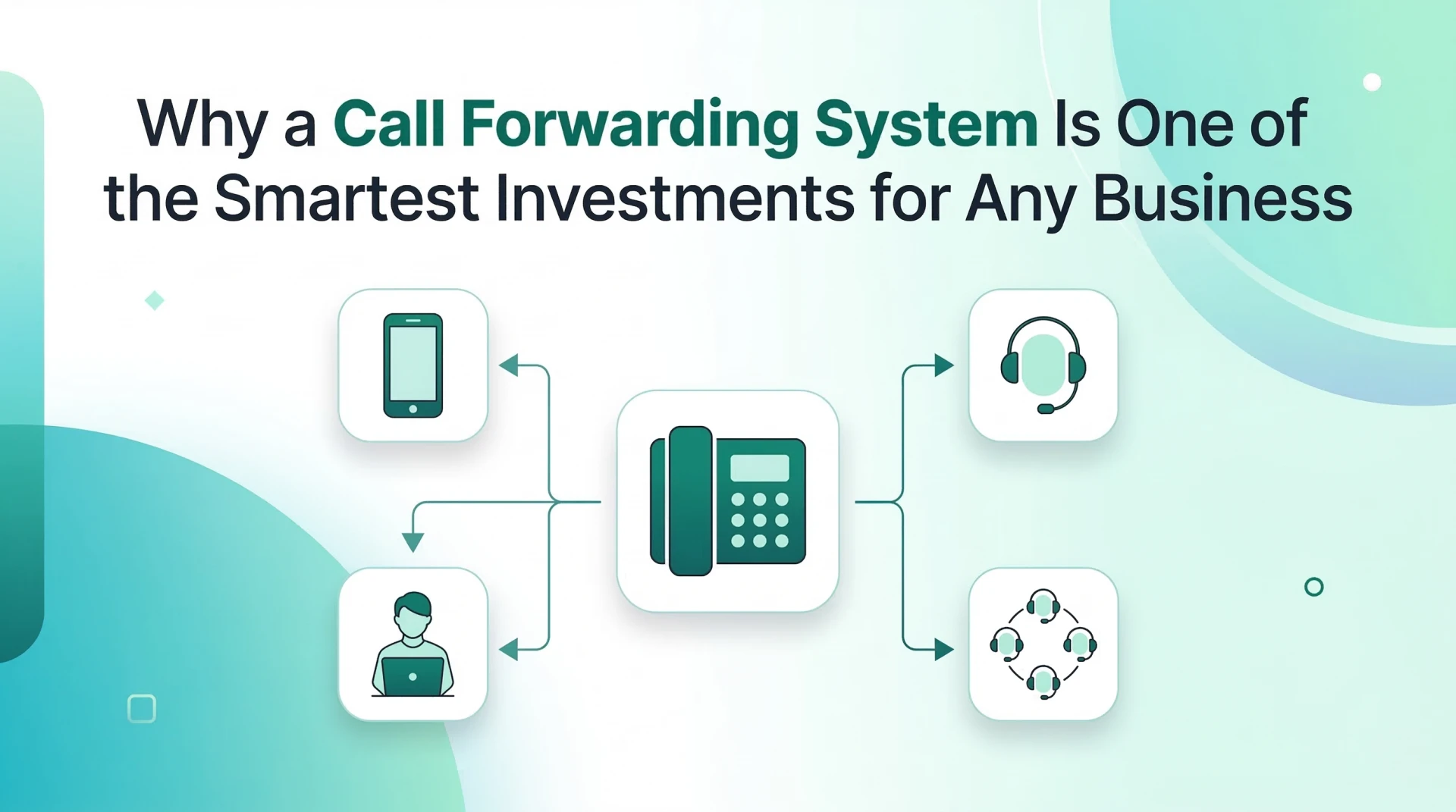
A call forwarding system is designed to redirect incoming business calls to another number when the main line is unavailable. This process happens automatically based on settings defined by the business. Calls can be forwarded to mobile phones desk phones or other team members.
For example a customer may call the main office number but the call can be forwarded to a support agent working remotely. The customer does not notice the transfer because the call connects smoothly to the next available person.
Businesses can also set rules that determine how calls are handled. Calls may be forwarded based on time of day agent availability or department selection. This ensures that customers always reach someone who can assist them.
Because the call forwarding system manages call redirection automatically businesses can maintain continuous communication without needing complex phone infrastructure.
Never Miss Important Customer Calls
One of the biggest advantages of a call forwarding system is the ability to prevent missed calls. Many businesses lose opportunities simply because no one answers the phone at the right moment. Customers often contact another company if they cannot reach support quickly.
With a call forwarding system incoming calls are redirected to another team member when the primary number is busy or unavailable. This keeps communication active even during busy hours or outside office locations.
Employees who travel or work remotely can still receive important calls through their mobile devices. This flexibility allows businesses to remain available to customers at all times.
Reliable call handling also creates a better impression of the business. Customers feel confident when they know they can always reach someone who can help them.
Flexible Communication for Modern Work Environments
Work environments have changed as many businesses now support remote work and distributed teams. Employees may work from different offices or even from home. Managing calls in such environments can become challenging without a proper communication system.
A call forwarding system provides the flexibility needed for modern workplaces. Calls can move easily between devices and locations. A team member working from home can receive calls that normally arrive at the office number.
Managers can also adjust call forwarding settings based on business needs. Calls can be directed to different departments during specific hours or routed to backup staff when support teams are busy.
This flexibility helps businesses maintain smooth communication regardless of where employees are located. Customers continue to receive the same level of service even when teams work across multiple locations.
Improved Customer Service and Response Time
Customer satisfaction depends heavily on how quickly businesses respond to inquiries. Long waiting times or unanswered calls often create frustration for customers. A call forwarding system helps reduce these delays by ensuring that calls reach available team members quickly.
When one employee is busy the system can forward the call to another available agent. This reduces waiting time and improves the chances that the customer receives help during the first call.
Faster response times also help support teams manage customer issues more effectively. Customers receive answers sooner which improves their overall experience with the business.
Businesses that respond quickly to customer inquiries often build stronger relationships with their clients. A reliable call forwarding system supports this goal by keeping communication smooth and responsive.
A Cost Effective Communication Solution
Many businesses assume that improving communication requires expensive phone infrastructure. Traditional phone systems often require additional lines hardware installation and ongoing maintenance. These costs can grow as the company expands.
A call forwarding system offers a more affordable solution. Businesses can manage call redirection through software based communication platforms. This reduces the need for large hardware installations.
Because calls can be forwarded to existing mobile devices businesses do not need to purchase extra office equipment for every employee. This makes the system both flexible and cost efficient.
As businesses grow the call forwarding system can continue supporting new users without major upgrades. This scalability makes it a smart investment for companies that want reliable communication while controlling operational costs.
Final Thoughts
Business communication must remain reliable as companies grow and customer expectations increase. Missed calls delayed responses and poor call handling can quickly affect customer satisfaction and business reputation.
A call forwarding system helps businesses maintain consistent communication by redirecting calls to the right team members automatically. The system ensures that important customer calls are answered even when employees are busy or working remotely.
By improving availability flexibility and response time a call forwarding system becomes one of the smartest communication investments for modern businesses. Companies that adopt this solution can provide better customer service while maintaining efficient business operations.