
In Melbourne’s fast-paced property market, it’s easy to get swept up in the charm of a Victorian terrace in Fitzroy or the sleek lines of a new build in Point Cook. But beneath the fresh paint and staging, hidden issues can lurk—issues that could turn your dream home into a financial nightmare.
Whether you're a first-time buyer or a seasoned investor, a professional building inspection is the most important "insurance policy" you’ll ever buy. Here is everything you need to know about navigating building inspections in Melbourne in 2026.
Why Melbourne Properties Need a Local Eye
Melbourne presents unique challenges for buildings. Our city is famous for its "four seasons in one day" and reactive clay soils (especially in the northern and western suburbs). These factors can lead to:
- Foundation Movement: Expanding and contracting clay causes "slab heave" or sinking stumps in older homes.
- Moisture Issues: High humidity and heavy winter rains can lead to rising damp, mould, and drainage failures.
- Pest Threats: 1 in 5 Australian homes will be affected by termites at some point—Melbourne’s mild climate makes it a prime target.
What a Professional Inspection Covers
A standard pre-purchase inspection follows Australian Standard AS 4349.1. Your inspector should spend 1.5 to 2.5 hours meticulously checking:
- The Exterior: Roof tiles, guttering, downpipes, and the condition of the brickwork or cladding.
- The Interior: Ceilings, floors, and walls (looking for cracks or "ghosting" that suggests structural movement).
- The Subfloor & Roof Space: These are the most critical areas. Inspectors crawl into these gaps to check for timber rot, dampness, and sagging beams.
- Safety Hazards: Unstable balconies, illegal electrical work, or the presence of asbestos in pre-1990s homes.
Understanding the Costs (2026 Estimates)
In 2026, the cost of an inspection in Melbourne depends on the size of the property and the depth of the report.
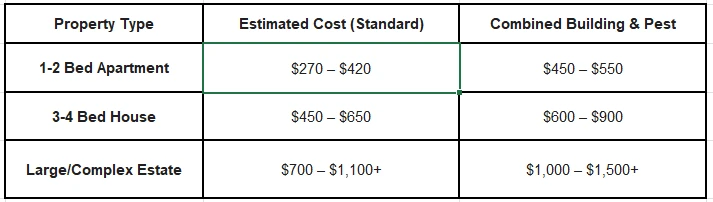
Pro Tip: Don't just go for the cheapest quote. In Victoria, the industry isn't as strictly regulated as others, so ensure your inspector is a Registered Building Practitioner with the VBA.
3 Red Flags to Watch For
If your inspection report mentions these, it's time to pause and get specialized quotes:
- Horizontal Cracks: Vertical cracks are often "settling," but horizontal cracks in brickwork can signal serious structural pressure.
- Fresh Paint in Specific Spots: Sellers sometimes use "landlord white" to hide water stains or dampness. A thermal imaging camera (used by many pro inspectors) will see right through it.
- Bouncy Floors: If the floor feels like a trampoline, you might be looking at rotted stumps or joist failure—a repair that can cost tens of thousands.
How to Use the Report
Once you receive your report (usually within 24 hours), you have three main options:
- Proceed with Confidence: The issues are minor/maintenance-based.
- Negotiate: Use the estimated repair costs to ask for a price reduction.
- Walk Away: If the structural integrity is compromised, it might be better to keep looking.
Ready to book your inspection? I can help you draft a checklist of specific questions to ask your Melbourne inspector based on the age of the house you're looking at. Would you like me to do that?