Learn how to source wholesale oil safely, compare suppliers, manage storage, and control costs with this practical bulk oil buying guide.
Buying oil in bulk is not just about price. Restaurants, manufacturers, skincare brands, food processors, and distributors depend on consistent quality and reliable supply. A smart wholesale oil purchase helps control costs, protect product quality, and avoid supply disruptions.
This guide walks step by step through sourcing, evaluating, storing, and managing wholesale oil so buyers can make confident decisions.
Why Wholesale Oil Purchasing Matters for Business Operations
Every industry that uses oil daily understands one truth. Small packaging increases costs fast. Buying wholesale oil reduces packaging waste, lowers transportation expenses, and stabilizes supply.
Businesses choose bulk purchasing because it offers:
- Better price per liter compared to retail packaging
- Consistent product batches for manufacturing or cooking
- Reduced ordering frequency and logistics costs
For example, a restaurant chain using cooking oil daily benefits from predictable delivery schedules. Similarly, cosmetic manufacturers rely on standardized wholesale oil batches to maintain formula consistency.
When sourcing wholesale oil, buyers should think beyond discounts. Reliability matters as much as price.
How to Choose the Right Wholesale Oil Supplier
Choosing a supplier is the most important decision in bulk procurement. A poor supplier creates quality risks, delays, or compliance problems.
Before selecting a wholesale oil partner, evaluate:
- Product certifications such as food-grade or cosmetic-grade approval
- Batch traceability and testing reports
- Delivery timelines and inventory capacity
- Packaging options like drums, totes, or tankers
A skincare company buying carrier oils, for example, must verify purity testing. A food manufacturer sourcing edible wholesale oil needs allergen and contamination documentation.
Always request samples. Testing a batch before committing to long-term wholesale oil contracts prevents costly mistakes.
Types of Wholesale Oil Available Across Industries
Not all bulk oils serve the same purpose. Buyers should match oil type to application.
Common wholesale oil categories include:
- Edible cooking oils such as sunflower, soybean, or olive oil
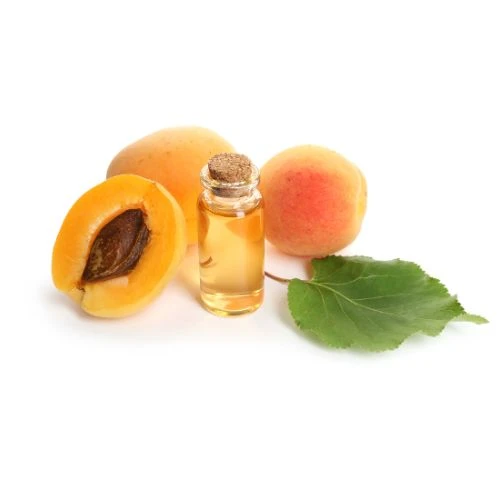
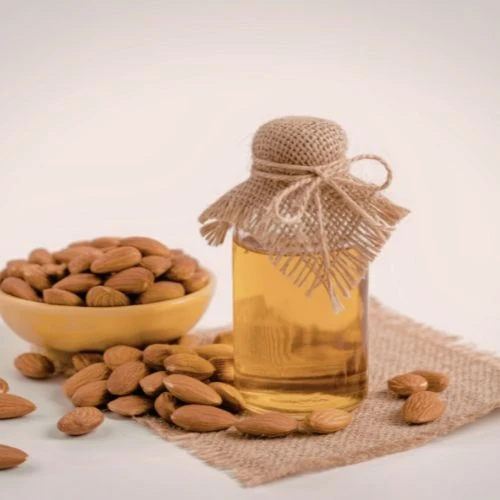
- Essential and carrier oils used in cosmetics or aromatherapy
- Industrial lubricants and machinery oils
- Specialty organic or cold-pressed oils
A bakery ordering wholesale oil may prioritize smoke point and flavor neutrality. A soap manufacturer may focus on fatty acid composition instead.
Understanding intended use ensures that wholesale oil performs correctly inside production workflows.
Storage and Handling Best Practices for Wholesale Oil
Bulk purchasing only works when storage is handled properly. Oil quality changes quickly if exposed to heat, light, or air.
Key storage practices include:
- Store wholesale oil in cool, dry environments
- Use sealed containers to prevent oxidation
- Rotate stock using first-in, first-out inventory methods
- Avoid direct sunlight exposure
For example, cosmetic oils stored improperly may develop odor changes. Cooking oils exposed to heat degrade faster and affect taste.
Many businesses lose savings because damaged wholesale oil becomes unusable. Proper storage protects both safety and investment.
Cost Management Strategies When Buying Wholesale Oil
Bulk buying reduces costs, but only when managed carefully.
Businesses often overlook hidden expenses such as storage equipment or shipping delays. Smart buyers analyze total cost instead of invoice price.
Effective strategies include:
- Negotiating long-term wholesale oil contracts for stable pricing
- Coordinating delivery schedules with usage volume
- Sharing freight loads across multiple locations
A food distributor, for instance, may combine shipments to reduce freight charges. Manufacturers using recurring wholesale oil deliveries often lock supply agreements to avoid price fluctuations.
Consistency is what creates real savings.
Quality Control and Compliance in Wholesale Oil Purchasing
Industries handling edible or cosmetic products must meet strict standards.
When ordering wholesale oil, check for:
- Laboratory testing certificates
- Country of origin transparency
- Shelf-life documentation
- Packaging integrity during transport
Quality assurance protects businesses from recalls or product rejection.
Even small companies benefit from supplier audits. A trusted wholesale oil supply chain reduces operational risk and protects brand reputation.
Frequently Asked Questions
What is wholesale oil?
Wholesale oil refers to oil purchased in bulk quantities directly from suppliers or distributors, usually at lower per-unit pricing compared to retail packaging.
Who typically buys wholesale oil?
Restaurants, cosmetic manufacturers, food processors, wellness brands, and industrial companies commonly purchase wholesale oil for regular operational use.
How do I verify wholesale oil quality?
Request certificates of analysis, batch testing documents, and product samples before placing large orders.
Is buying wholesale oil cheaper than retail oil?
Yes. Bulk purchasing reduces packaging and shipping costs, resulting in lower long-term pricing for businesses.
How long can wholesale oil be stored?
Shelf life depends on oil type, but proper sealed storage in cool conditions helps maintain quality for extended periods.
What packaging options are available for wholesale oil?
Suppliers commonly offer drums, intermediate bulk containers (IBCs), totes, or tanker deliveries based on volume requirements.
Conclusion
Bulk purchasing works best when planning meets quality control. Businesses that evaluate suppliers carefully, store inventory properly, and match oil types to real operational needs gain the most value. Whether used in kitchens, factories, or skincare production, wholesale oil sourcing becomes a strategic advantage when reliability and consistency guide every purchase decision.