
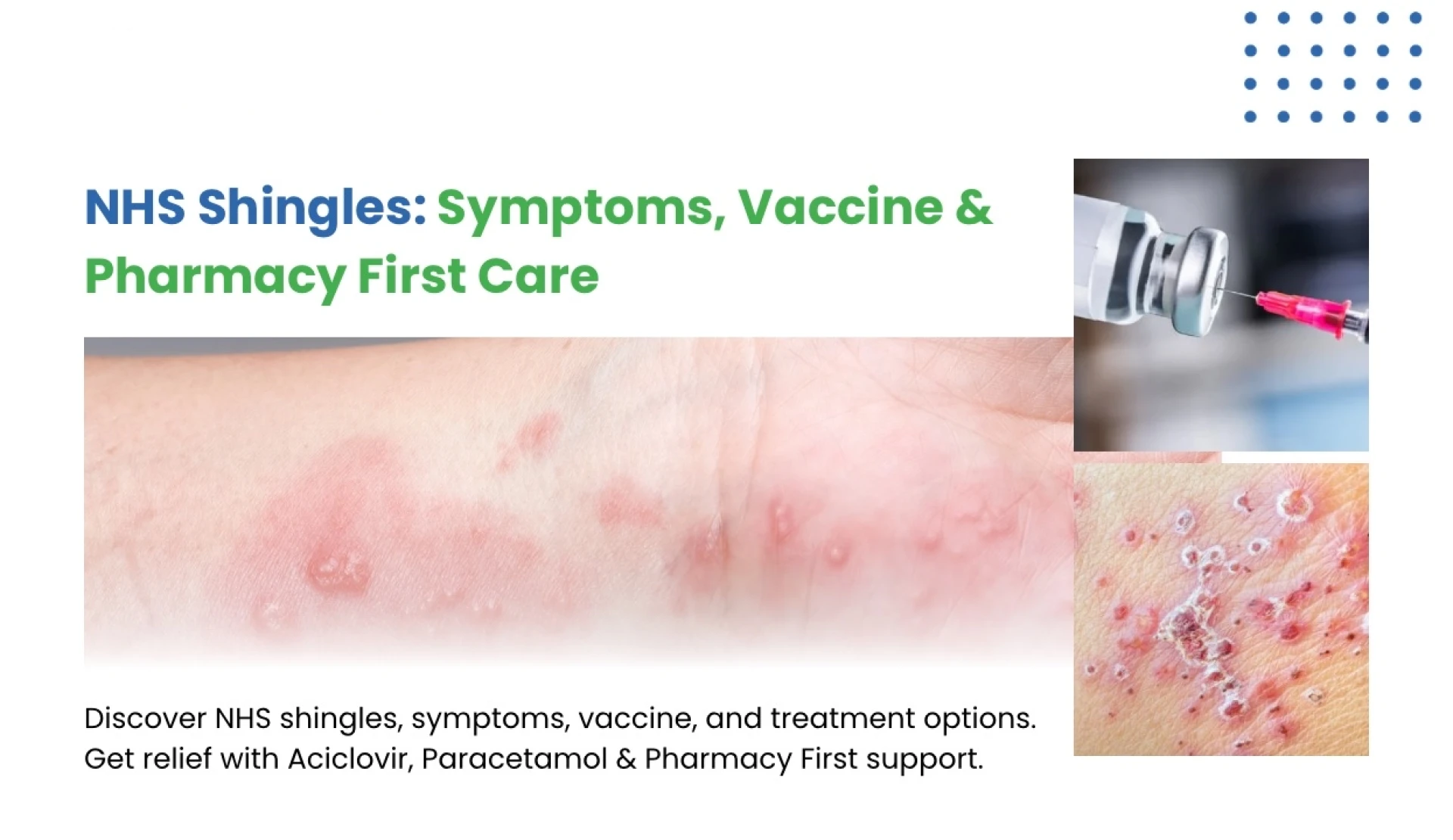
A friend of mine informed me not so long ago that his dad suddenly developed shingles. He believed it to be but a rash, but then the burning pain took over. Weeks passed, and even after the rash had cleared, the pain remained. It was then that he said, I wish he had been vaccinated when he got the opportunity.
That is what the Shingles Jab NHS is all about. It should avoid people enduring months of suffering that can be avoided. You may be asking yourself who is eligible to receive it, whether it is free, and how you can make a reservation. We shall do it all in simple words.
What Is Shingles Anyway?
Shingles comes from the same virus that causes chickenpox. Once you’ve had chickenpox, the virus doesn’t leave your body. It stays hidden in your nerves, waiting. Years later, it can wake up and cause shingles.
Here’s what usually happens:
- A painful rash develops, often on one side of your body or face.
- Blisters form, break, and scab over.
- Before the rash shows, you might feel tingling, itching, or burning.
- Some people get a fever, headaches, or just feel wiped out.
For many, shingles clears up in a few weeks. But for some, the pain doesn’t stop. This ongoing nerve pain is called post-herpetic neuralgia (PHN). That’s one of the worst complications, and it can last months or even years.
Why the NHS Offers the Shingles Jab NHS
The NHS has a clear reason for making the shingles vaccine available. It lowers your risk of getting shingles at all. And if you still get it, chances are it won’t be as bad.
The jab also reduces the likelihood of PHN, which is really the part that makes life miserable for many older adults. Simply put: the jab is about prevention, protection, and peace of mind.
Who Can Get the NHS Shingles Jab?
Here’s where the rules come in. The NHS doesn’t give the shingles jab to everyone. It’s being rolled out step by step.
- People turning 65 can now get it.
- Those aged 70 to 79 are also eligible if they haven’t had it already.
- People 50 and older with weakened immune systems may qualify earlier.
If you don’t fit into these groups, you won’t be able to get it on the NHS just yet. But private options are available if you want them sooner.
Living with Shingles Jab NHS: Why Prevention Is Easier
Individuals who have experienced shingles have explained that it is one of the worst experiences in their lives, as far as their health is concerned. The rash is not so great, but the nerve pain that ensues can render even the most basic of functions, such as putting on clothes, falling asleep comfortably, and focusing on work, quite challenging.
Others describe it as sharp, some say it is burning, and others say it is stabbing. No matter what it is, it is evident that shingles is not something one would want to experience should they have an opportunity to avoid it. And that is the main reason why the Shingles Jab NHS should not be disregarded: it is far easier to prevent some health issues than to address months of pain when the illness has already taken its toll.
nefits of the NHS Shingles Jab
The shingles jab is not just about avoiding a rash. It has wider benefits that can significantly improve the quality of life:
- Reduces the risk of getting shingles at all
- Makes the illness milder if you do develop it
- Prevents complications such as post-herpetic neuralgia
- Cuts the chance of hospitalisation due to severe shingles
- Defends against psychological health issues- chronic nerve pain may lead to depression and sleeping issues, which are not seen with vaccination.
For many people, avoiding months of burning pain is reason enough to get protected.
Possible Side Effects of the Shingles Vaccine
Like any vaccine, the NHS shingles jab can bring mild side effects, but they’re usually short-lived. Common ones include:
- Soreness, redness, or swelling where the injection went in
- Headache
- Muscle pain
- Feeling tired or generally unwell
- Mild fever
Such symptoms normally disappear after a few days. The number of serious side effects is quite low, and the advantages outweigh the risks.
How to Get the Shingles Jab NHS
Getting the jab is simple:
- Wait for your invitation letter – The NHS usually contacts eligible patients directly.
- Book an appointment – Call your GP surgery or use the NHS app (if available in your area).
- Attend the vaccination session – A nurse or GP will give you the jab in your upper arm.
- Follow-up dose (if Shingrix is used) – You’ll need a second dose for full protection.
If you think you’re eligible but haven’t been invited, contact your GP surgery and ask.
Shingles vs. Chickenpox Vaccine: What’s the Difference?
One can easily mix the chickenpox injection with the shingles jab. The difference is simple:
- The chickenpox vaccine is administered to children (as well as some adults) in order to ensure that they never have the chickenpox infection.
- The vaccine used is for shingles, but it is only used amongst adults who have previously had chickenpox in their lives, to prevent the virus reactivation in adulthood.
Why the NHS Recommends the Jab
The NHS does not offer vaccines without substantial scientific evidence. In clinical research, it has been established that the shingles vaccine can help prevent the incidence of shingles by upwards of 90 percent using Shingrix. It also plays a long role in reducing complications and, as such, it is a successful health intervention for the people at a pocket-friendly cost.
Living Proof Real Stories
Many patients who’ve had the vaccine describe a sense of relief. For example, people who saw their relatives struggle with shingles pain often feel reassured knowing they’re protected. Others who experienced mild side effects from the jab usually say it was nothing compared to the potential suffering of shingles itself.
Safe Shingles Protection
The Shingles Jab NHS injection is among the easiest means of keeping oneself safe against a very agonizing disease. It is free of charge, safe, and very effective. There is no time to waste, if you belong to the age bracket and should reach your GP surgery to get your vaccination. A couple of minutes would pay off in months of pain to come.