
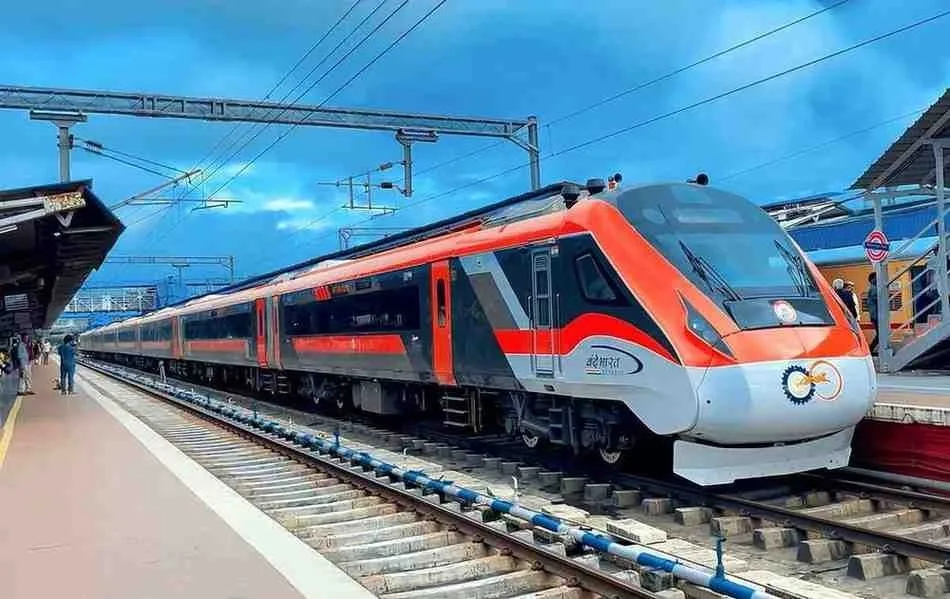
When a loved one is critically ill, getting them to the right hospital is often just as important as the treatment itself. While road ambulances work well for short distances and air ambulances are ideal for emergencies, neither is always the best option for long-distance patient transfers. This is where a Train Ambulance Service in Delhi offers a safe and dependable solution for long-distance patient transfers.
Delhi is one of India's largest healthcare hubs, attracting patients from neighboring states and referring patients to specialty hospitals across the country. Many patients require continuous medical supervision during these journeys, making a train ambulance an effective solution.
In this guide, we'll explain what a train ambulance is, who needs one, and the seven most common medical situations where it can make long-distance travel safer and more comfortable.
What Is a Train Ambulance Service?
A train ambulance is a specialized medical transport service designed for patients who need continuous healthcare while traveling by rail. Unlike regular train travel, it transforms a reserved train compartment into a temporary ICU or advanced medical care unit.
The patient remains under constant observation throughout the journey while being accompanied by trained medical professionals.
How Does It Work?
A Train Ambulance Service in Delhi typically includes:
- Reserved train compartment for patient care
- ICU-grade medical equipment
- Oxygen support
- Ventilator (if required)
- Cardiac monitor
- Infusion pumps
- Suction machine
- Emergency medicines
- Doctor, paramedic, or critical care nurse
- Bed-to-bed patient transfer using road ambulances at both ends
This setup allows patients to travel long distances without compromising their medical care.
Why Families Choose a Train Ambulance
Long-distance patient transfers can be physically demanding, especially for someone recovering from a serious illness or injury. Families often choose train ambulances because they provide:
- Continuous medical monitoring
- Better comfort during extended journeys
- Cost-effective alternative to air ambulances
- Safe transport for stable but critical patients
- Professional medical assistance throughout the trip
For many interstate transfers, train ambulances offer an ideal balance between safety, affordability, and medical support.
7 Common Medical Situations That Require a Train Ambulance Service in Delhi
1. Patients on Ventilator Support
Patients who depend on mechanical ventilation cannot travel safely without continuous respiratory support.
A train ambulance provides:
- Portable ventilator
- Backup oxygen supply
- Continuous oxygen saturation monitoring
- Emergency airway management if required
Medical professionals monitor the patient's condition throughout the journey to reduce the risk of complications.
2. Stroke or Paralysis Patients
Patients recovering from a stroke often have limited mobility and may require frequent monitoring.
A Train Ambulance Service in Delhi helps these patients by offering:
- Comfortable positioning during travel
- Regular monitoring of vital signs
- Oxygen support when needed
- Assistance with medication administration
Long-distance travel becomes safer when trained medical personnel are present throughout the journey.
3. Patients Recovering After Major Surgery
After complex surgeries, patients are often advised to avoid unnecessary movement and physical stress.
This includes patients recovering from:
- Heart surgery
- Brain surgery
- Spine surgery
- Organ transplant procedures
- Major orthopedic surgeries
A train ambulance minimizes movement while providing continuous medical supervision until the patient reaches the destination hospital.
4. Cancer Patients Traveling for Specialized Treatment
Many cancer patients travel between cities for chemotherapy, radiation therapy, or advanced surgical care.
Because these patients may experience:
- Weak immunity
- Fatigue
- Pain
- Breathing difficulties
- Nutritional challenges
They benefit from medical supervision throughout the journey.
A train ambulance allows healthcare professionals to manage symptoms and respond quickly if the patient's condition changes.
5. Patients with Serious Head or Spinal Injuries
Patients with spinal injuries require extremely careful transportation.
Even small movements can increase the risk of complications.
A train ambulance provides:
- Proper immobilization
- Continuous observation
- Pain management
- Safe patient handling during boarding and unloading
This helps reduce unnecessary movement while ensuring the patient remains stable.
6. Elderly Patients with Multiple Health Conditions
Older adults often have more than one medical condition, such as:
- Heart disease
- Diabetes
- Kidney disorders
- Chronic lung disease
- High blood pressure
Traveling long distances without medical supervision can be risky.
A Train Ambulance Service in Delhi ensures that elderly patients receive continuous monitoring, timely medication, and immediate assistance if their health changes during the journey.
7. ICU Patients Being Shifted Between Hospitals
There are situations where a patient must be transferred to another hospital for specialized treatment or better medical facilities:
- Advanced treatment
- Specialized surgery
- Organ transplantation
- Better neurological care
- Higher-level ICU facilities
In these situations, maintaining uninterrupted medical care is essential.
A train ambulance allows ICU-level monitoring from one hospital to another, reducing risks during interstate transfers.
Why Delhi Has a High Demand for Train Ambulance Services
Delhi serves as one of India's leading medical centers. Every year, thousands of patients travel to and from the city for specialized healthcare.
Common reasons include:
- Referral to super-specialty hospitals
- Returning home after treatment
- Accessing advanced medical facilities
- Long-distance interstate patient transfers
- Popular routes often include Delhi to Patna, Kolkata, Mumbai, Bangalore, Guwahati, Chennai, and other major cities.
As these journeys can span many hours, medical support during travel becomes essential for critically ill patients.
How Doctors Decide Whether a Train Ambulance Is Suitable
Not every patient requires a train ambulance.
Doctors typically evaluate several factors before recommending one, including:
- Current medical stability
- Distance to be traveled
- Oxygen dependency
- Ventilator requirement
- Need for ICU monitoring
- Risk of complications during transport
Only after reviewing the patient's medical condition can healthcare professionals determine the safest mode of transportation.
Medical Equipment Available Inside a Train Ambulance
A professional Train Ambulance Service in Delhi is equipped with advanced life-support systems to manage patients throughout the journey.
Common equipment includes:
- Portable ventilator
- Oxygen cylinders
- Multiparameter cardiac monitor
- Defibrillator
- Infusion pumps
- Suction machine
- Nebulizer
- Emergency medicines
- First-aid supplies
- Portable power backup
The exact equipment depends on the patient's condition and the level of care required.
How to Prepare Before Booking a Train Ambulance
Proper planning helps ensure a smooth transfer.
Before booking, families should:
- Collect all medical reports and prescriptions.
- Discuss travel fitness with the treating doctor.
- Inform theambulance provider about the patient's condition.
- Confirm admission with the receivinghospital.
- Share any special medical requirements in advance.
Providing accurate medical information allows the transport team to prepare the right equipment and medical staff.
Frequently Asked Questions
Can every patient travel by train ambulance?
No. The suitability of train travel depends on the patient's medical condition. A doctor's assessment is necessary before planning the transfer.
Is a doctor available during the journey?
Depending on the patient's condition, the medical team may include a doctor, critical care nurse, or paramedic to provide continuous monitoring and emergency care if needed.
Can ventilator patients travel by train ambulance?
Yes. Many train ambulances are equipped with portable ventilators and advanced life-support equipment, allowing ventilator-dependent patients to travel safely under medical supervision.
Is a train ambulance safer than a road ambulance for long distances?
For many stable but critical patients, train ambulances can be a safer and more comfortable option than extended road travel because they reduce prolonged road movement while allowing continuous medical care.
How far can a train ambulance travel?
Train ambulances are commonly used for long interstate transfers covering hundreds or even thousands of kilometers, depending on the patient's needs and available railway routes.
Conclusion
Choosing the right mode of medical transportation can significantly affect a patient's safety and comfort during long-distance travel. A Train Ambulance Service in Delhi is an effective solution for patients who require continuous monitoring, oxygen support, or ICU-level care while being transferred between cities.
Whether the patient is recovering from major surgery, living with a neurological condition, receiving cancer treatment, or being shifted between hospitals, a professionally managed train ambulance helps maintain continuity of care throughout the journey.
At Save Life Wellness, experienced medical teams, advanced life-support equipment, and well-planned bed-to-bed transfer services work together to ensure patients travel safely and receive the attention they need from pickup to arrival. Families can have greater peace of mind knowing their loved one is supported by trained professionals every step of the way.