Rhinoplasty, colloquially known as a "nose job," is one of the most complex and transformative procedures in plastic surgery. Because the nose sits at the literal center of the face, even millimetric changes can profoundly alter a person’s appearance and breathing function. However, surgical excellence is only half of the equation; the other half is patient selection. Determining who is a "good" candidate involves a multifaceted evaluation of physical health, nasal anatomy, and, perhaps most importantly, psychological readiness.
Physical Maturity and Age Constraints
One of the first hurdles for rhinoplasty candidacy is skeletal maturity. The nasal bone and cartilage must be fully developed before surgery can be safely performed. If surgery is performed while the face is still growing, ongoing development can alter the surgical results, leading to functional issues or aesthetic distortion. For females, skeletal maturity typically occurs around age 15 or 16, while for males, growth often continues a bit longer, usually reaching completion around age 17 or 18. Beyond the young end of the spectrum, older adults are also viable candidates, provided they are in good health. However, it is important to note that skin elasticity decreases with age, which can affect how well the skin "redrapes" over the new nasal structure following the procedure.
Structural and Functional Considerations
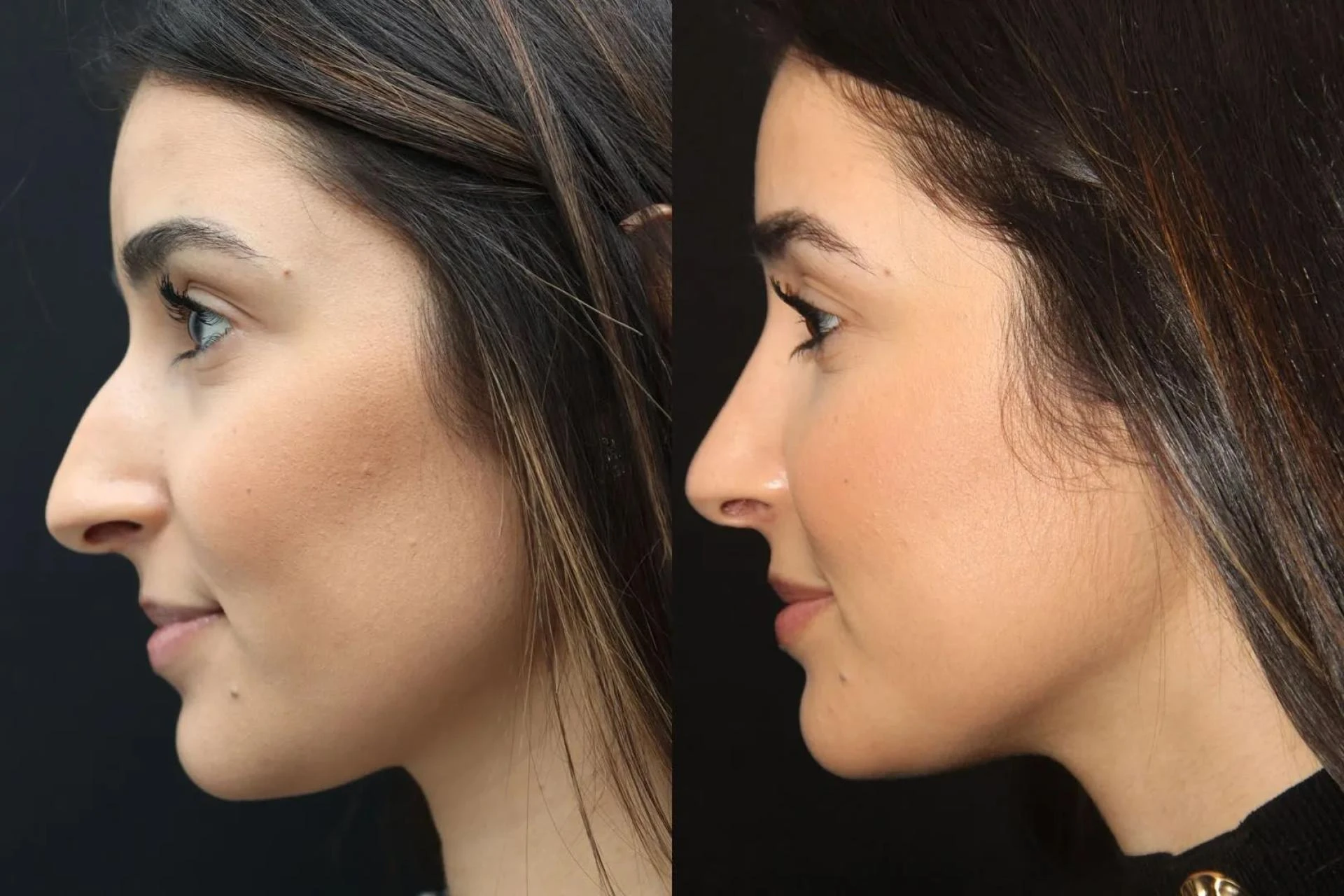
A good candidate often seeks surgery to address specific structural concerns, which generally fall into two categories: aesthetic and functional. Common aesthetic reasons include a dorsal hump (a prominent bump on the bridge), excessive nasal width, or a lack of tip definition—such as a tip that is bulbous or drooping. Many candidates are also "functional" candidates, meaning they seek surgery to improve their breathing. A deviated septum, enlarged turbinates, or nasal valve collapse can significantly impair airflow. In these cases, a septorhinoplasty is performed to straighten the internal structures while simultaneously refining the external shape, ensuring the nose works as well as it looks.
General Health and Lifestyle Factors
Rhinoplasty is a major surgical procedure usually performed under general anesthesia; therefore, a good candidate must be in excellent overall physical health. Being a non-smoker is a significant requirement, as nicotine constricts blood vessels, which severely impairs healing and increases the risk of tissue necrosis and scarring. Candidates are typically required to quit smoking at least four to six weeks before and after surgery. Furthermore, chronic medical conditions like hypertension or diabetes must be well-managed, and candidates should not have underlying conditions that impede blood clotting or wound healing.
Psychological Readiness and Expectations
Perhaps the most critical factor in a successful outcome is the candidate’s mindset. Surgeons look for internal rather than external motivation; a good candidate wants to improve their appearance for their own self-confidence, rather than trying to please a partner or mimic a specific celebrity. A successful candidate also understands that the goal of rhinoplasty is improvement, not perfection. Every face has inherent asymmetries, and a candidate who expects an exact replica of another person's nose—without considering their own bone structure or skin thickness—may not be a good fit. The best candidates desire a nose that looks natural and harmonious with their unique facial features.
Anatomical Variables: Skin and Cartilage
The quality of a candidate’s tissue plays a massive role in the final result, as not all noses are "operable" in the same way. While thick skin can hide minor irregularities in the underlying bone, it makes it much harder to achieve a refined, "chiselled" tip. Conversely, thin skin allows for great definition but is "unforgiving," as every tiny bump or cartilage edge may be visible. Additionally, cartilage strength is vital; strong nasal cartilage provides a sturdy foundation, whereas weak or "floppy" cartilage may require the surgeon to use grafts—often taken from the septum or ear—to provide the necessary support for the new shape.
Commitment to the Recovery Process
The ideal candidate is prepared for the long haul. Unlike some cosmetic procedures that show results in weeks, rhinoplasty healing takes months and years. Candidates must be able to take 7–10 days off work or school to manage initial swelling and bruising, and to use the external splint. While about 80% of the swelling usually subsides within 6 weeks, the remaining 20%, especially at the nasal tip, can take 12 to 18 months to resolve. A good candidate possesses the patience to wait for these final results without rushing into premature revision surgery.
Conclusion
Ultimately, a good candidate for rhinoplasty is an individual who is physically healthy, psychologically stable, and possesses a clear, realistic goal for improvement rather than perfection. It is a journey that requires a dedicated partnership between a skilled surgeon and a patient who is committed to the necessary lifestyle adjustments and recovery timelines. When physical readiness, anatomical suitability, and realistic expectations align, rhinoplasty can be one of the most rewarding and confidence-boosting procedures in modern medicine.