In a world where digital interactions often dominate the conversation, the need to present yourself clearly and confidently in the physical world remains just as crucial. Whether you’re entering an office, attending a conference, or simply navigating daily operations at work, your identity matters—and how you represent it speaks volumes. This is where ID cards come into play. If you’ve ever searched for an ID card print service, you already understand the significance of these small yet powerful tools in establishing identity, trust, and access.
Why Identity Cards Matter More Than Ever
In today’s security-conscious and brand-driven environment, identity cards serve multiple purposes. They’re not just about access control anymore. A well-designed ID card tells a story—who you are, what organization you represent, and even your role or authority level within that system.
For businesses, ID cards foster professionalism, streamline identification, and enhance workplace safety. Visitors and employees can be easily distinguished, reducing the risk of unauthorized access. Educational institutions rely on ID cards to manage student databases and support campus security. Even event organizers use them for credentials, enabling smooth check-ins and tiered access levels.
The Psychology of a Name and Face
There’s a certain psychology behind recognition. A name paired with a face enhances recall and rapport. Studies in cognitive psychology show that facial recognition and name association improve social connections and workplace communication. An ID card that prominently displays your name, photograph, and role doesn’t just help others identify you—it helps them remember and engage with you on a more personal level.
When someone wears an ID card, it creates a subtle but powerful sense of accountability and openness. It shows they belong, have a purpose, and are part of something larger than themselves.
Designing an ID Card That Speaks for You
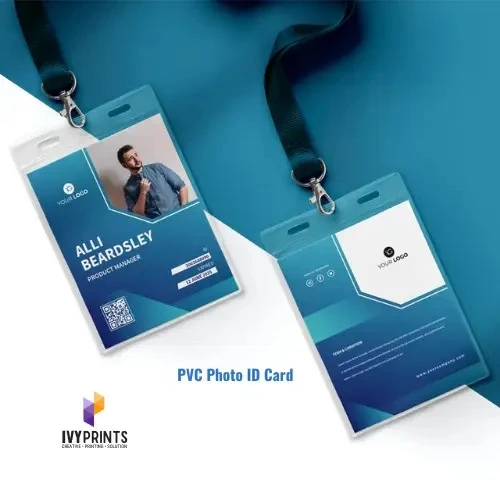
Creating an effective ID card goes beyond just slapping a photo and a name on plastic. It’s a blend of functionality, aesthetics, and security. The design should reflect the organization's branding—color schemes, logos, and typography should align with official standards to maintain a consistent image.
Essential elements to include:
Full name and job title: Ensures clarity and role recognition.
Photograph: A clear, professional headshot for quick identification.
Company or institution logo: This reinforces branding and authority.
Barcode or QR code: Facilitates electronic verification or access.
Security features: Holograms, watermarks, or chip integrations for added protection.
More Than Just a Badge: Functional Uses of ID Cards
Today’s ID cards often serve multifunctional purposes. With embedded RFID or NFC chips, they can open doors, log work hours, authorize printing jobs, or even be linked to payment systems in cafeterias or vending machines. Universities, for instance, equip student ID cards with dorm access, library checkouts, and meal plan functionalities—all tied to one secure system.
This evolution of the ID card from a static identifier to an interactive tool enhances efficiency and simplifies logistics. It also underscores the importance of choosing the right service and design to meet both current and future needs.
Finding the Right Printing Partner
Selecting the right ID card print service can significantly impact the effectiveness and longevity of your cards. Look for providers with:
High-resolution printing capabilities
Custom design support
Durable materials (PVC, composite)
Built-in security features
Responsive customer service
Also, ensure that the service aligns with data privacy regulations, especially when handling sensitive information like personal identification details.
Final Thoughts: Your Identity is Your First Impression
In many professional or institutional environments, your ID card is the first thing people see. It acts as a handshake, a credential, and a communication tool all in one. Investing in a well-made, thoughtfully designed card is not just a practical decision—it’s a statement.
So next time someone asks, “Who are you?” don’t just answer. Let your card do the talking.