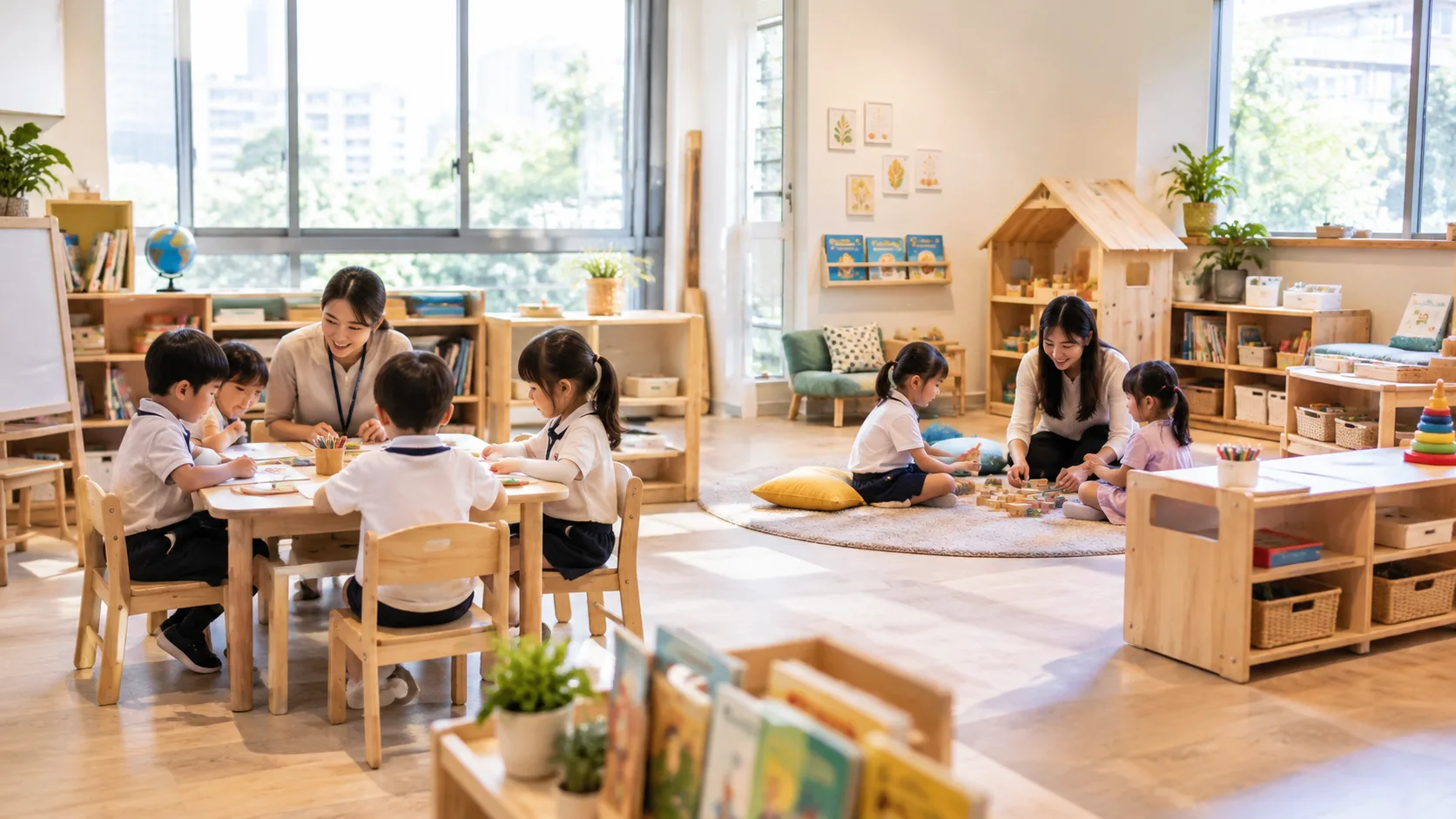
Education is no longer about fitting every student into the same mold. Today, many parents are actively looking for approaches that respect different learning speeds, interests, and abilities. That’s where Schools with Individualized Learning stand out. These schools focus on adapting teaching methods to each child rather than expecting every child to adapt to a fixed system.
But the real question is — do they deliver better results? And if yes, what makes some schools more effective than others? Let’s break it down in a clear, practical way so you can understand what really works.
What Is Individualized Learning?
Individualized learning is an approach where teaching is tailored to suit each student’s needs. Instead of one lesson plan for an entire class, teachers adjust content, pace, and methods based on how each student learns best.
In strong Schools with Individualized Learning, you’ll notice:
- Flexible lesson plans
- Continuous assessments instead of one-time exams
- Focus on strengths and improvement areas
- Personal attention from teachers
- Use of technology to track progress
This system helps students feel more confident because they are not constantly compared to others.
Why Do Some Schools Deliver Better Results?
Not every school that claims personalization does it well. The results depend on how effectively the system is implemented.
1. Teacher Training Matters Most:
Teachers play a huge role in making individualized learning work. Schools that invest in teacher training tend to show better outcomes. Skilled teachers know how to identify learning gaps and adjust teaching styles accordingly.
2. Smaller Class Sizes:
One key advantage of successful Schools with Individualized Learning is smaller class sizes. When teachers handle fewer students, they can give proper attention to each child.
3. Data-Driven Learning:
Top-performing schools use regular assessments — not to pressure students, but to understand progress. This helps in modifying teaching strategies in real time.
4. Emotional and Social Support:
Learning is not just academic. Schools that also focus on emotional well-being tend to produce more balanced and confident students.
Key Benefits of Individualized Learning:
Parents often notice real changes when their children study in this system.
Better Academic Performance:
Students learn at their own pace, which reduces confusion and builds a strong foundation.
Increased Confidence:
Children feel less judged and more supported, which improves participation.
Stronger Interest in Learning:
When subjects are taught in ways that match a child’s style, learning becomes engaging rather than stressful.
Development of Critical Thinking:
Instead of memorizing, students are encouraged to understand concepts deeply.
What to Look for in a Good School?
Choosing the right school can be confusing. Here are some clear signs that a school is genuinely focused on individualized learning:
Personalized Learning Plans:
Each student should have a structured plan based on their abilities.
Regular Parent Feedback:
Good schools keep parents updated about progress and challenges.
Balanced Curriculum:
Academic learning should be combined with activities like sports, arts, and life skills.
Technology Integration:
Modern tools can help track learning patterns and improve teaching methods.
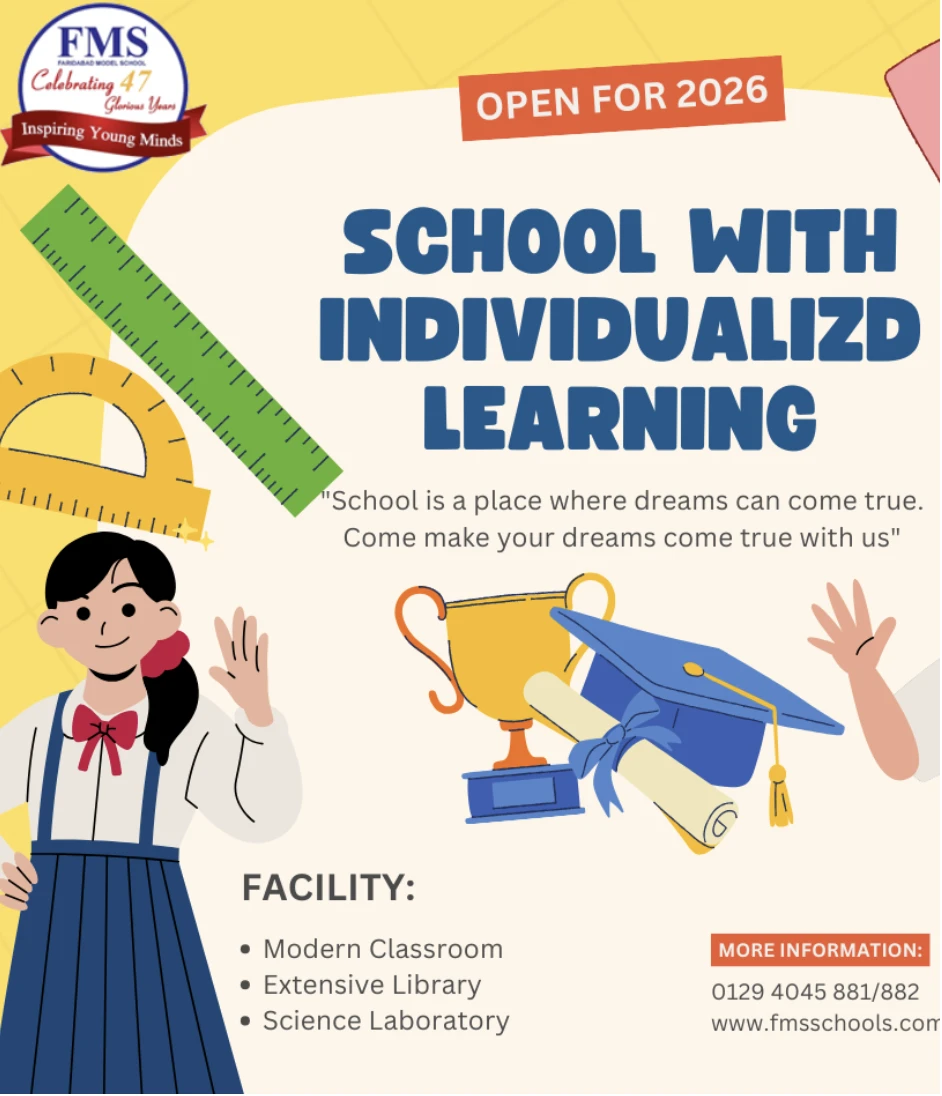
For example, institutions like FMS Schools focus on structured yet flexible learning environments where student needs are taken seriously. Such schools often build systems that support both academic growth and personal development.
Challenges to Be Aware Of:
While the approach is effective, it’s not perfect everywhere.
Not All Schools Implement It Properly:
Some schools use the term as a marketing strategy without real execution.
Requires More Resources:
Individual attention needs more teachers, better planning, and advanced tools.
Adjustment Period for Students:
Students coming from traditional systems may take time to adapt.
How Parents Can Evaluate Schools?
Before planning, parents should dig deeper instead of relying on brochures or websites.
Visit the School:
Observe classrooms and interactions between teachers and students.
Ask About Teaching Methods:
Understand how lessons are customized for different learners.
Check Student Progress System:
See how the school tracks improvement over time.
Talk to Other Parents:
Real experiences give better insights than advertisements.
Many parents who choose FMS Schools mention that direct interaction and transparency helped them make confident decisions.
Are Results Really Better?
The short answer is yes — but only when done right.
Research and real-life experiences show that students from Schools with Individualized Learning often:
- Perform better academically
- Show improved communication skills
- Develop independent thinking
- Experience less stress compared to traditional systems
However, results vary depending on the school’s commitment and execution.
The Role of Technology in Personalized Learning:
Modern education is heavily supported by technology. Good schools use it to:
- Track student performance
- Identify weak areas quickly
- Provide customized assignments
- Offer interactive learning experiences
Institutions like FMS Schools often integrate such tools to make learning more efficient and engaging, without making it overwhelming.
Future of Individualized Education:
Education is clearly moving toward personalization. With growing awareness among parents and advancements in technology, more schools are adopting this approach.
The demand for Schools with Individualized Learning is increasing because parents now value quality over tradition. They want environments where their children are understood, not just evaluated.
FAQs:
1. What makes individualized learning different from traditional education?
Individualized learning focuses on each student’s pace and style, while traditional systems follow a fixed curriculum for everyone.
2. Are these schools suitable for all students?
Yes, especially for students who need extra support or want to explore subjects deeply.
3. Do students perform better in such schools?
In most cases, yes. Students often show better understanding, confidence, and overall development.
4. Is individualized learning expensive?
It can be slightly higher in cost due to resources and teacher involvement, but the long-term benefits often justify it.
5. How can I verify if a school truly follows this approach?
Visit the school, ask detailed questions, and check how they track and support individual progress.
Conclusion:
Choosing the right school is one of the most important decisions for any parent. While many options exist, Schools with Individualized Learning stand out because they focus on the child, not just the curriculum.
However, not all schools deliver the same results. The effectiveness depends on teacher quality, infrastructure, and how genuinely the system is applied. Schools like FMS Schools show that when personalization is implemented properly, it can lead to meaningful academic and personal growth.
In the end, the best results come from environments where students feel understood, supported, and encouraged to grow at their own pace.
👉 Explore benefits of schools with individualized learning:
https://www.fmsschools.com/blog/why-parents-prefer-schools-with-individualized-learning-today