Columbus Day 2026 gives many families in California and across the country a long weekend, and an old lamp from the attic is a good way to use it. If the fabric is faded or torn but the shape still suits your room, the real question is the frame underneath. Rust, bent wires, and loose rings can ruin a fresh cover. A new frame often solves that.
This guide shows where to find Lamp Shade Frames, how to choose the right style, and how the made-to-order process works at Lamp Shade Lady.
What Does a Restore Lampshade Project Involve?
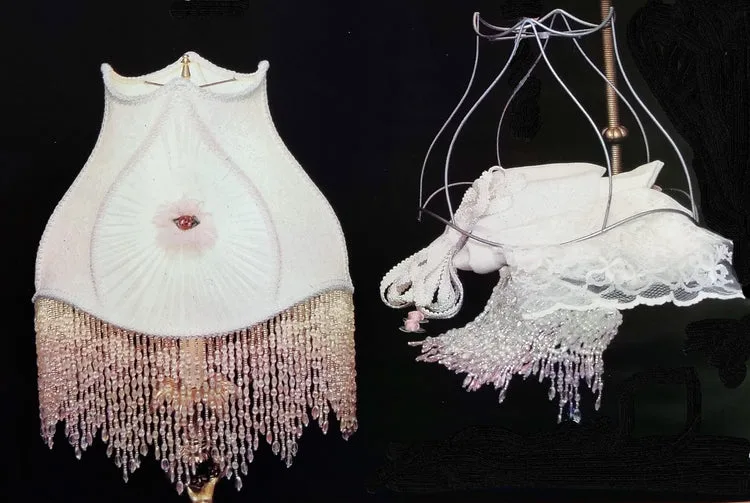
A Restore Lampshade project means bringing an old shade back into use instead of throwing it away. You strip the worn cover, check the frame, and rebuild the shade with new fabric and trim.
Most people think about fabric first, but the frame matters more. It holds the shape, supports the trim, and keeps the shade level on the lamp. Solid wire gives silk, linen, or pleated fabric a clean base to sit on.
Why Do Old Lampshade Frames Need Replacing?
Frames wear out in ordinary ways. Moisture causes rust. Heat from bulbs weakens old solder. Years of moving a lamp from room to room bends the rings out of round.
A shade that leans, wobbles, or shows ripples in the fabric usually has a frame problem, not a fabric problem. Check for these signs before you buy anything:
- Rust spots that flake when you rub them
- Top or bottom rings that are no longer circular
- Loose or cracked joints where the struts meet the rings
- A fitter that no longer holds the shade level
If you see two or more, replacement is the safer path. Re-covering a damaged frame often leads to a second repair a year later.
Which Victorian Lampshade Frame Styles Fit a Modern Home?
Victorian shades have a recognizable shape: a wide base, a tapered top, and room for fringe, pleats, or gathered silk. That shape works in more than period rooms. A bell-style frame with a plain linen cover suits a farmhouse living room. A tall, narrow frame in dark silk fits a bedside table in a contemporary bedroom.
Choose the frame by the lamp first. Check the base height, the harp size, and where the light will fall. As a general guide, the shade should be about two-thirds the height of the lamp and at least as wide as the widest part of the base. The Lamp Shade Lady catalog lets you compare many Victorian lampshade frames in one place.
Where Can You Buy Custom Wire Lampshade Frames?
Craft stores carry a few standard sizes, but they rarely stock the shapes a Victorian lamp needs. A specialty maker is the better choice.
If you want to Buy Lamp Shade Frames for Restore Lampshade Projects, start with Lamp Shade Lady in Roseville, California. Every frame in the catalog is built to order, so you get sizes made for your project instead of the closest stock option. That also means waiting a few weeks, which the next section explains.
How Does the Ordering Process Work?
The shop uses a simple, pay-later process. Here is how it works:
- Scroll through the catalog pages and note the frame styles you want.
- Order at least three frames, since the shop sets a three-frame minimum.
- Contact the shop for current pricing. Prices are $3 to $5 higher than the older numbers shown on the page.
- Wait about three to five weeks while your custom wire lampshade frames are built.
- Receive an itemized PayPal invoice when the order is ready. No money is collected before that point.
- Get a photo of your shipping label so you can track the package.
Because Lamp Shade Frames are made to order, plan ahead. If you decide on a project over Columbus Day 2026, your frames could arrive before the winter holidays, with time left to finish the shades.
How Do You Measure for a Replacement Frame?
Measure the old shade before you throw it out. You need three numbers: top diameter, bottom diameter, and slant height, which is the length along the side. Also note the straight vertical height.
If the old frame is too bent to measure, work from the lamp instead and use the proportion guide above. Write down the fitter type as well, such as spider, uno, or clip-on. The fitter decides how the shade sits on the lamp, so it must match your hardware.
What Supplies Do You Need Besides the Frame?
A frame is only the start. You will also need fabric, binding tape, trim, and glue or a needle and thread. A lining helps if you want a smooth, even glow.
Lamp Shade Lady sells lampshade supplies and lampshade kits in separate collections, so you can pick up extras in one visit. Beginners may also like the how-to videos, which show the wrapping and sewing steps. Buy a little more fabric than your measurements call for, because a first-wrap mistake is common.
How Do You Restore a Lampshade Step by Step?
Here is the basic order of work:
- Remove the old fabric and trim. Save the old cover to use as a pattern.
- Wrap the bare rings and struts with binding tape so the fabric has a surface to attach to.
- Cut new fabric using the old cover as a guide, leaving a small margin on every edge.
- Attach the fabric at the top and bottom rings, smoothing as you go.
- Trim the excess and finish the edges with gimp, ribbon, or fringe.
- Test the shade on the lamp with an LED bulb, which runs cooler and keeps the fabric safer.
Take your time on steps 2 and 4. Tight, even tension is what makes a finished shade look professional.
Can a Beginner Handle This Project?
Yes. A first shade takes patience, not special talent. Start with a simple shape, use a kit if you want everything matched, and watch the video steps before you cut fabric.
If you get stuck, you can contact Mary at Lamp Shade Lady with questions. You can also read about Mary and her teaching background, or check the shop’s FAQ page and blog for more help.
What Should You Do Next?
Pick one lamp, measure it, and decide whether the old frame can be saved. If it cannot, order new Lamp Shade Frames from the Victorian catalog and start your Restore Lampshade plan while you wait for delivery. A Columbus Day 2026 weekend is a good time to measure, sketch, and gather supplies.
FAQs
1. What is the minimum order for custom lampshade frames?
Lamp Shade Lady requires a minimum of three frames per order. You can mix styles from the catalog.
2. How long does a made-to-order frame take?
Frames are built after you order and are ready to ship in about three to five weeks.
3. When do I pay for my order?
Payment is not collected up front. When your frames are ready, you receive an itemized PayPal invoice.
4. How do I get current pricing?
Contact the shop directly. Current prices run $3 to $5 above the older numbers on the catalog page.
5. Can I reuse my old lampshade frame?
Yes, if the wire is straight, the rings are round, and the joints are tight. Remove light rust and re-wrap the frame. If it is bent or loose, replace it.
6. What size frame do I need?
Measure the top diameter, bottom diameter, and slant height of your old shade. Match the proportions to your lamp base.
7. What fabric works best for a Victorian shade?
Lightweight silk, linen, and cotton blends drape well over curved frames. Add a lining for an even glow.
8. Do I need sewing skills to cover a frame?
No. Many people use glue and binding tape. Instructional videos can walk you through each step.
9. Does Lamp Shade Lady serve customers in California and other states?
The shop is in Roseville, California, and the store is set up for U.S. orders, with a Canada option listed. Ask about shipping to your state when you contact the shop.
10. What bulb is safest in a fabric shade?
Use an LED bulb with a wattage within your lamp’s rating. LEDs run cooler, so they put less stress on fabric and glue.