There's something electric about fashion week. The buzz starts weeks before anyone sets foot on a runway — inside cramped boutique fitting rooms, across Instagram stories at 2am, in those weirdly passionate arguments between stylists about which silhouette is the silhouette this season. Indian fashion has always had that energy. But right now, it genuinely feels like something bigger is happening.
The Cultural Shift We've All Been Waiting For
 For the longest time, Indian fashion lived in two completely separate worlds. On one side: the heavily embellished bridal wear that took over every wedding season. On the other: Western-inspired ready-to-wear collections aimed at younger, city-dwelling women who wanted something different. These two worlds barely acknowledged each other. Designers worked in their own bubbles. Shoppers picked a side.
That divide has slowly, quietly, beautifully collapsed.
Nobody's choosing between a lehenga and a blazer anymore — they're throwing a dupatta over a structured pantsuit and walking out the door without a second thought. Fusion doesn't feel like a compromise now. It feels like a statement. Like knowing exactly who you are and dressing accordingly.
This didn't just happen on its own. It took real investment — in platforms where fashion could be experienced, not just admired through a screen or a glossy magazine spread, but actually felt in a room full of people.
The Stage That Keeps Raising the Bar
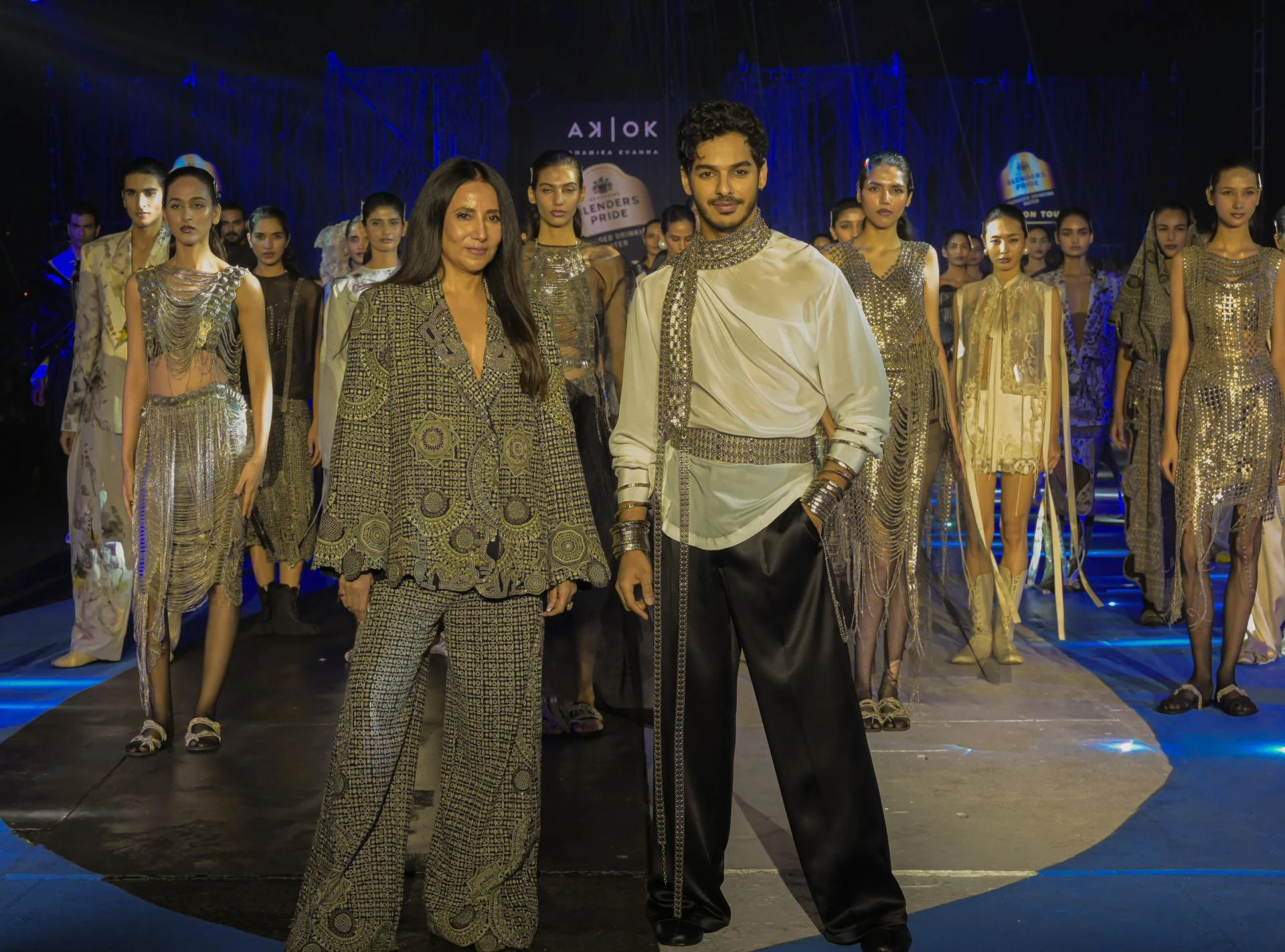
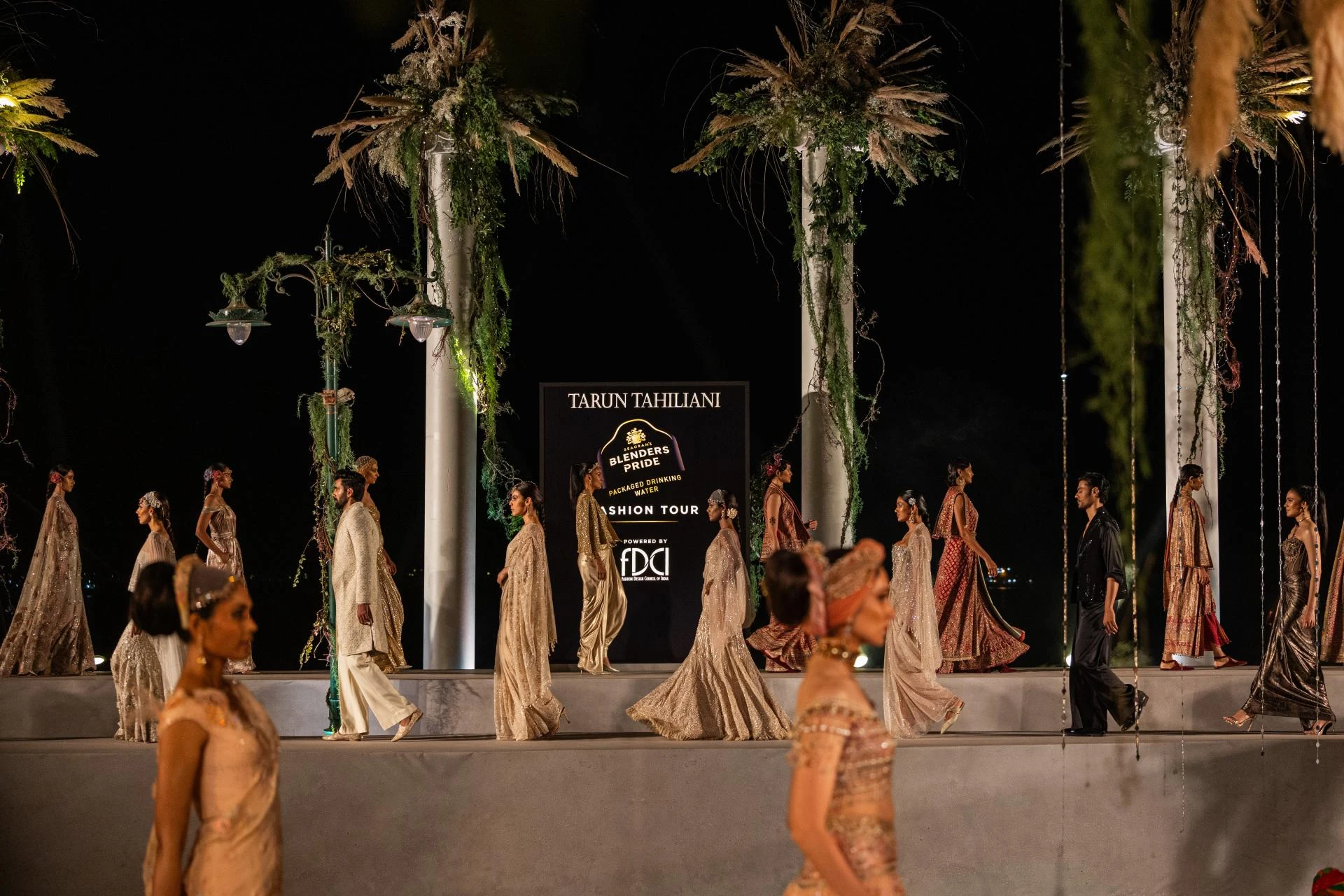
Few platforms have done more for Indian fashion's visibility than the Blenders Pride Fashion Tour. What started as a designer showcase has grown into one of the most genuinely anticipated cultural events on the Indian calendar — a travelling show that brings high fashion to audiences who don't just want to watch style, they want to be inside it.
What sets it apart is a simple understanding: fashion isn't really about clothes. It's about theatre. It's the way a room shifts when the lights go down and the first look comes through. The tour has brought together some of India's biggest names — Rohit Bal, Manish Malhotra, Masaba Gupta — alongside newer designers who are actively rewriting what "Indian fashion" means.
It's always felt less like a conventional runway show and more like a conversation. One where the audience has opinions. Where the city itself becomes part of the look.
What's Trending — And What Isn't Going Anywhere
So what's actually happening right now, on the ground?
Handloom is having a full-blown renaissance. Young designers are going back to traditional weaves — Banarasi, Chanderi, Ikat — and finding new ways in. Not to preserve something dusty, but to push it forward. The results feel both deeply rooted and genuinely fresh.
Sustainable fashion has stopped being a niche concern. Shoppers are asking real questions — where did this come from, who made it, what's actually in it — and designers who've been doing the right thing quietly for years are finally getting their flowers.
Gender-fluid dressing is becoming less of a conversation and more of a given. Unstructured cuts, fluid silhouettes, collections that simply refuse to be boxed in by gender — these are showing up in everyday wardrobes without any fuss. Just clothes that fit the person wearing them, not some imagined expectation of who that person should be.
And maximalism? It's back, and it didn't come alone. After a stretch of very quiet minimalism, Indian fashion is remembering how much it loves drama. Layered textures, clashing prints, colour combinations that look like they shouldn't work — they absolutely do. This is a season to be loud.
Fashion as a Feeling
What strikes me most about Indian fashion right now is the confidence behind it. There was a time when "Indo-Western" felt almost apologetic — like softening something traditional to make it more palatable for a global audience. That era is done.
Indian designers are dressing the world on their own terms now. And platforms like the Blenders Pride Fashion Tour have had a genuine hand in building that confidence, one city at a time, one season at a time. Proving that fashion here isn't just an industry. It's a language.