
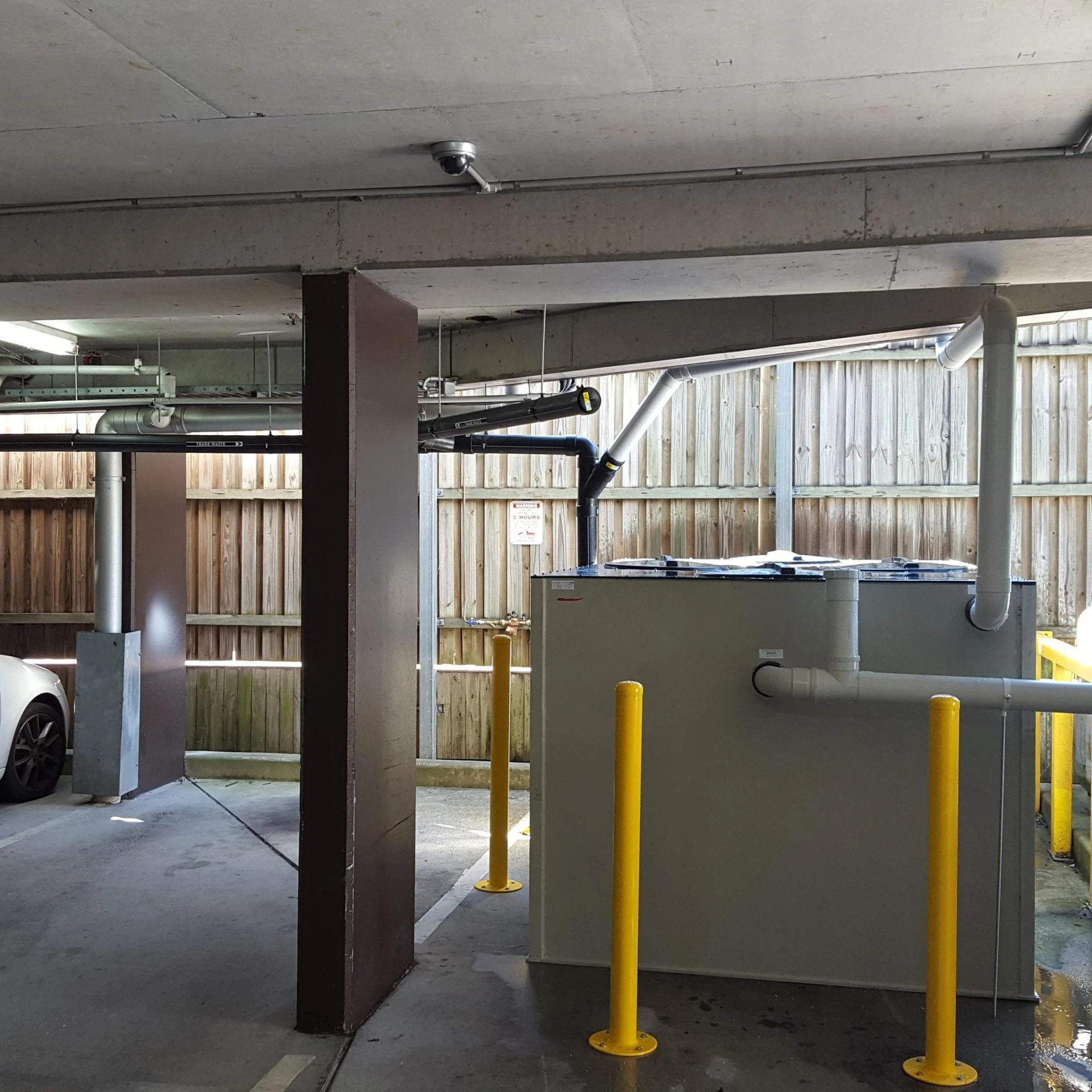
Running a successful commercial kitchen requires careful attention to many behind-the-scenes systems, and your grease trap is one of the most critical. While it might seem like a "set it and forget it" piece of equipment, there comes a time when many business owners realize their current system simply isn't keeping up with their needs.
Understanding when to upgrade isn't just about compliance—it's about protecting your investment, maintaining smooth operations, and avoiding costly emergencies that can shut down your business.
Clear Warning Signs It's Time to Upgrade
Frequent Overflows and Backups
The most obvious indicator that your system needs an upgrade is regular overflow situations. If you're dealing with backups more than once every few months, your current capacity simply can't handle your kitchen's output. These incidents aren't just messy—they're expensive, unsanitary, and can force you to close temporarily while cleaning up.
Cleaning Schedule Becoming Unmanageable
When you find yourself scheduling cleanings more frequently than industry standards recommend, it's often more cost-effective to invest in a larger system. Standard cleaning intervals should be monthly for most establishments, but if you're calling your service provider every two weeks or even weekly, the math starts favoring an upgrade.
Expansion of Kitchen Operations
Adding new menu items, extending operating hours, or increasing seating capacity all impact your grease production. Many restaurant owners make the mistake of assuming their current system will handle moderate growth, but even a 20% increase in volume can overwhelm an already near-capacity system.
Changes in Cooking Methods
Switching to more fried foods, adding a fryer station, or changing cooking oils can dramatically increase grease output. Similarly, if you've moved toward more scratch cooking or added prep work that involves more grease-producing activities, your current system might be struggling to keep up.
Business Growth Indicators
Increased Revenue from Food Sales
Rising food sales are great for business but tough on your grease management system. A simple rule of thumb: if your food revenue has increased by 30% or more since your current system was installed, it's time to evaluate whether an upgrade makes sense.
Staff Complaints About Slow Drainage
Your kitchen staff often notice problems before management does. If multiple team members mention slow-draining sinks, gurgling sounds, or unpleasant odors coming from floor drains, these could be early warning signs that your system is reaching its limits.
New Equipment Installation
Adding dishwashers, installing additional sinks, or upgrading to higher-capacity equipment all increase the water flow and grease load your system must handle. Even seemingly minor additions can tip an already stressed system over the edge.
Regulatory and Compliance Factors
Changing Local Regulations
Many municipalities have updated their requirements in recent years, often requiring larger capacity systems or more frequent maintenance. If your local health department or water authority has implemented new standards, you might find that your current system no longer meets minimum requirements.
Failed Inspections
Repeated violations during health department inspections often point to an inadequate system. Rather than continuing to face fines and potential closure threats, upgrading can provide a permanent solution that keeps you in compliance.
Insurance Requirements
Some insurance policies now specify minimum grease trap capacities or maintenance standards. Check with your provider to ensure your current system meets their requirements for coverage.
Cost-Benefit Analysis Considerations
Maintenance Expenses vs. Upgrade Costs
Calculate your annual maintenance costs, including cleaning frequency, repairs, and any fines or violations. If these expenses approach 40-50% of what a new, properly sized system would cost, an upgrade becomes financially attractive.
Downtime Costs
Every time your kitchen experiences a grease-related backup or overflow, you're losing money. Factor in lost sales, cleanup costs, potential food waste, and staff time when evaluating upgrade benefits.
Energy and Water Efficiency
Newer, properly sized systems often operate more efficiently, using less water for cleaning cycles and requiring less energy for any automated components. These operational savings can add up significantly over time.
Professional Assessment Guidelines
Getting Expert Evaluation
A qualified commercial plumber or grease trap specialist can perform a comprehensive assessment of your current system and kitchen operations. They'll consider factors like water flow rates, grease production estimates, and local code requirements to recommend the right size upgrade.
Timing Your Upgrade
Plan your upgrade during slower business periods to minimize disruption. Many businesses schedule installations during planned renovations or seasonal closures to maximize efficiency and minimize lost revenue.
Choosing the Right Size
Don't just go bigger—go smarter. Work with professionals to calculate the optimal size based on your actual needs, growth projections, and local requirements. An oversized system can be just as problematic as an undersized one, leading to poor separation efficiency and increased maintenance needs.
Making the Decision
Upgrading your grease management system is rarely a decision you'll regret when done for the right reasons and at the right time. The key is recognizing the warning signs early and acting before small problems become major emergencies.
Consider an upgrade when you're experiencing multiple warning signs simultaneously, when your business has grown significantly, or when regulatory changes require it. The investment in a properly sized system pays dividends through reduced maintenance costs, fewer emergency calls, better compliance, and most importantly, uninterrupted kitchen operations that keep your business running smoothly.
Ready to upgrade your grease trap system? Contact us today for a professional assessment and personalized recommendations that fit your business needs and budget.