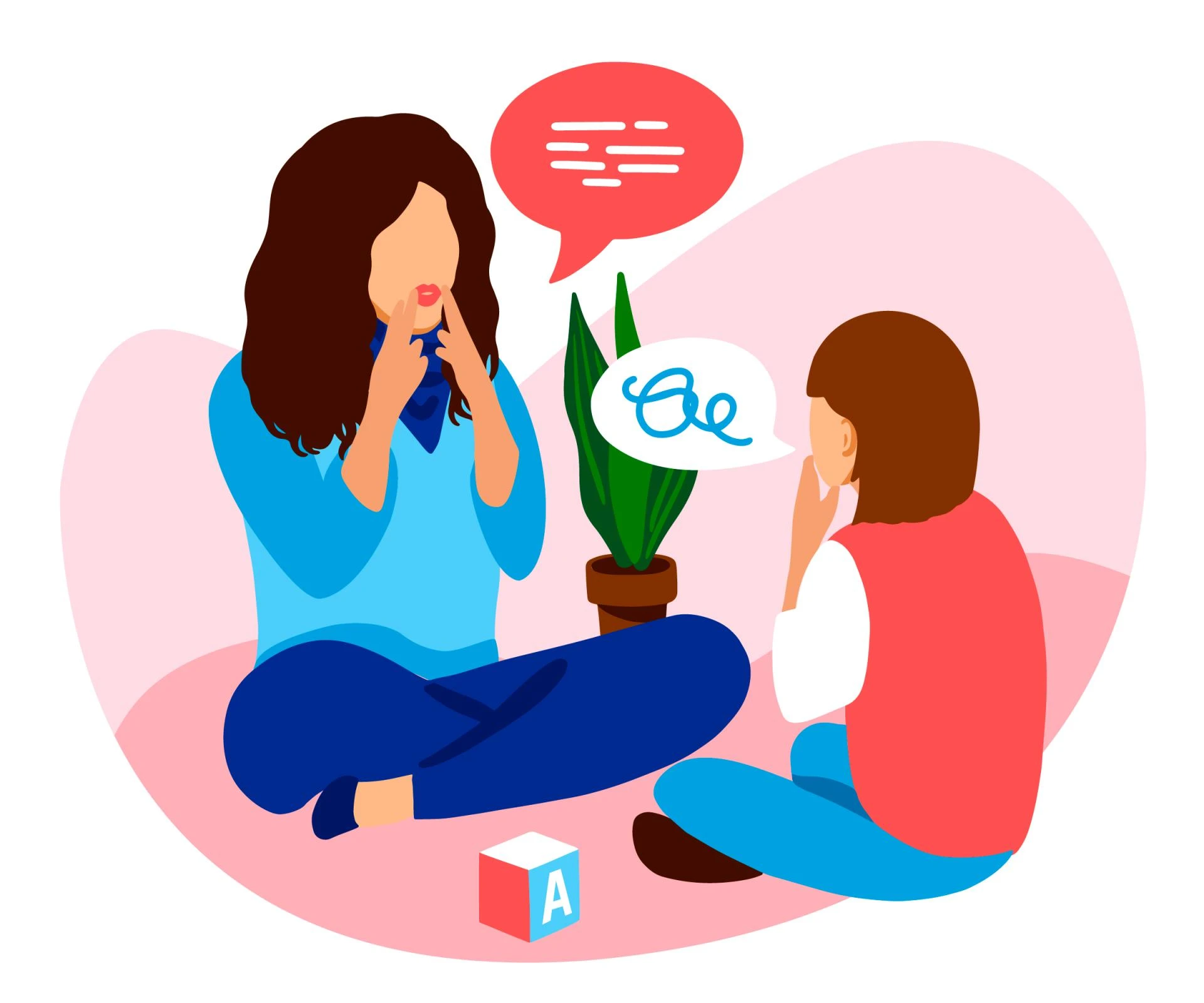
As children grow, they achieve developmental milestones that guide parents and caregivers in understanding whether growth is on track. One of the most crucial areas is speech and language development. Delays in speech can be worrisome, but knowing when to seek help can make all the difference.
Explore age-appropriate speech milestones, when to consult a speech therapist, and how other professionals like psychologists can support the journey.
Understanding Speech and Language Milestones
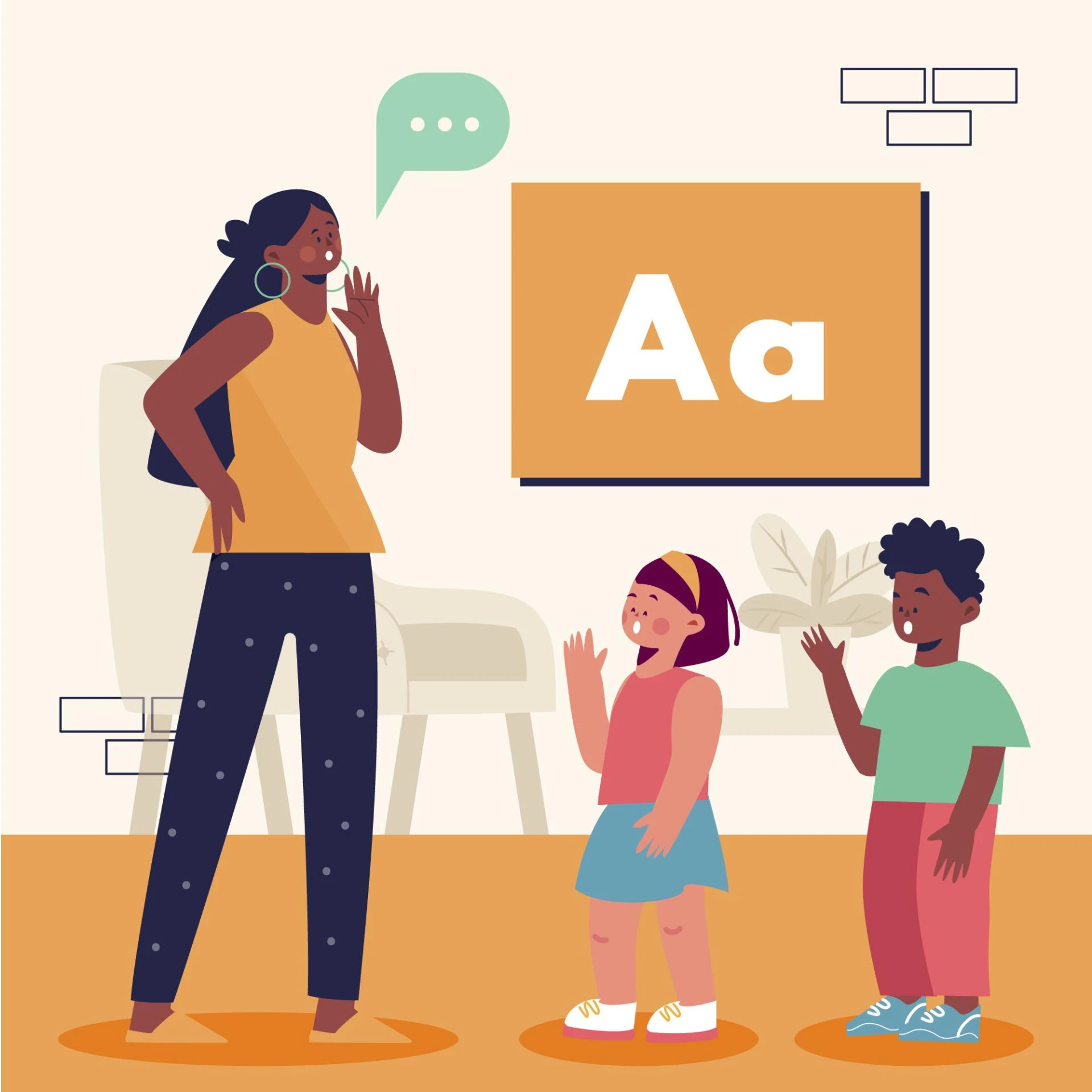
Speech and language development varies from child to child, but general milestones help spot potential delays. Here are some key age-based speech expectations:
By 12 Months:
- Responds to their name
- Babbles with inflection (e.g., “mamama,” “dadada”)
- Tries to imitate sounds
- Understands simple words like "no" or "bye"
By 18 Months:
- Says at least 10 simple words
- Understands basic instructions
- Points to objects or people when named
By 2 Years:
- Uses two-word phrases (e.g., “more milk”)
- Has a vocabulary of 50+ words
- Can identify body parts
By 3 Years:
- Speaks in short sentences
- Understandable by family members
- Follows two-step directions
By 4 Years and Beyond:
- Tells simple stories
- Uses pronouns and plurals correctly
- Speaks clearly enough for strangers to understand
When Should You Be Concerned?
Early intervention is key. If your child isn’t meeting the above milestones or you notice red flags like the following, it may be time to consult a speech therapist:
- Not babbling by 12 months
- No words by 18 months
- Difficulty following simple directions
- Speech is unclear beyond age 3
- Stuttering or repeating sounds frequently
These could signal a speech delay, or in some cases, a speech disorder like apraxia, articulation issues, or receptive language disorder.
Who to Consult First
Start by discussing concerns with your pediatrician. They may refer you to:
- Speech-Language Pathologist (SLP): Specializes in diagnosing and treating communication issues.
- Clinical Psychologist: Assesses cognitive or behavioral conditions that might be affecting language development.
- Occupational Therapist: If motor skills are impacting verbal ability.
- Developmental Pediatrician: For broader developmental evaluations.
Related Services That Support Speech Therapy
Speech challenges often intersect with other developmental conditions. Complementary services include:
- Child Psychology (for behavioral or emotional factors)
- Audiology (to rule out hearing issues)
- Special Education Assessments (for school-age children)
- Parental Coaching (to enhance communication at home)
- Online Speech Therapy Platforms (like Mindsy, for convenience and flexibility)
Early Therapy = Long-Term Success
Studies show that children who receive early speech therapy often achieve better long-term academic and social outcomes. Delaying intervention can lead to frustration, low self-esteem, and academic struggles. Timely support can build confidence, improve classroom interaction, and strengthen relationships.
If you're unsure whether your child needs speech therapy, start by monitoring milestones and seeking professional advice early. A trusted speech therapist, in coordination with a clinical psychologist or other specialists, can create a tailored plan that meets your child’s specific needs.