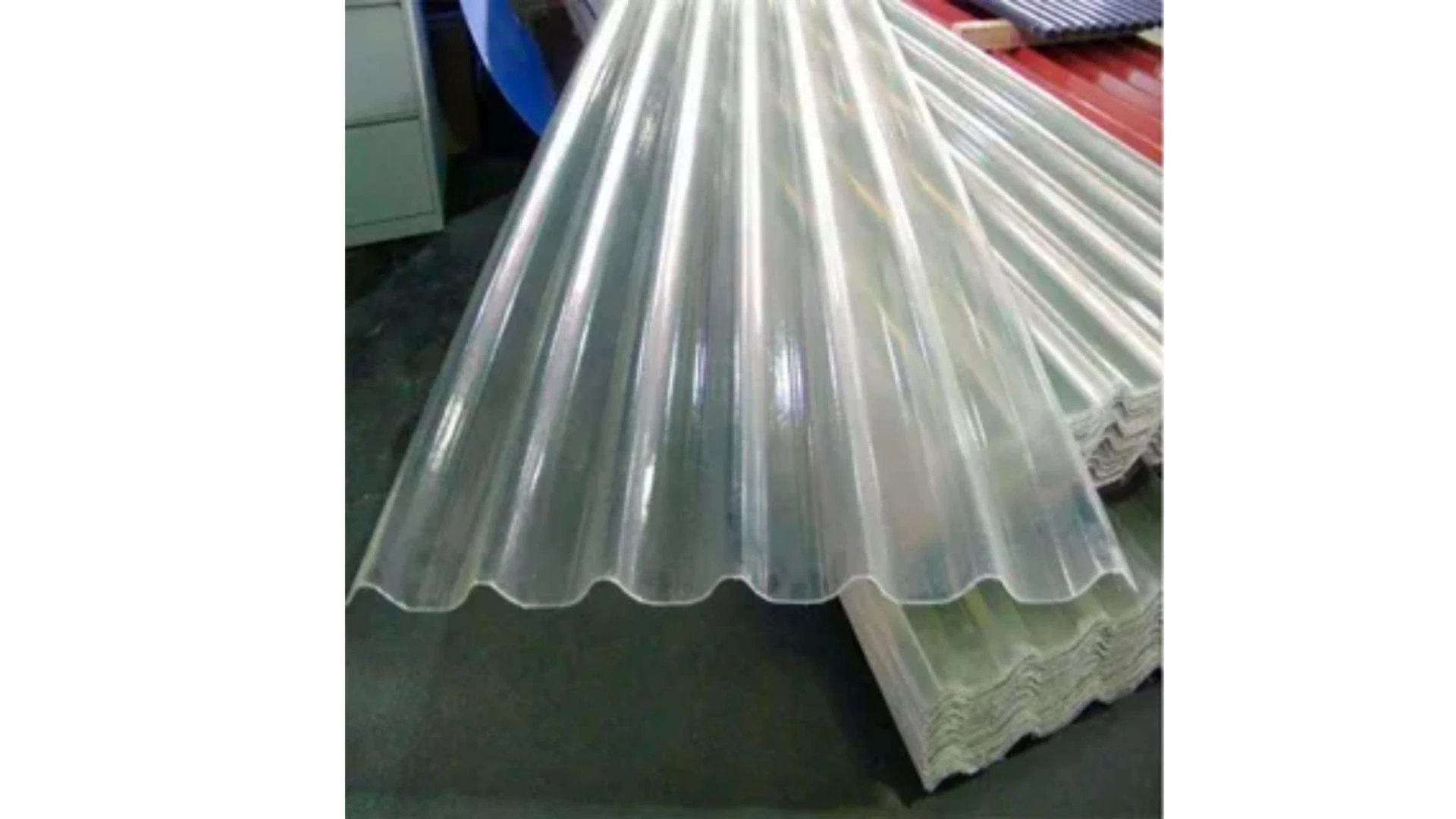
Manufacturers, engineers, and project managers don’t often pick materials on a whim. Every bolt, panel, or support structure carries the weight of budget concerns, performance expectations, and long-term durability. One wrong move, and the whole thing might come undone—literally. That's where material selection makes or breaks the job. Composite materials have become essential in countless industries, and while carbon fiber and traditional metals have their place, fiberglass sheets continue to prove their worth where balance matters most. But what makes them stand out from the rest?
Durability Matters: Weather, Weight, and Wear
If you're dealing with tough weather conditions or environments that laugh in the face of mild steel, fiberglass materials deserve serious attention. They're immune to rust, unaffected by water, and stand up well against UV exposure without warping, splitting, or corroding. When metal panels start to flake and wooden boards cry uncle, fiberglass steps in like a quiet hero. Unlike other composites that can be overkill or too delicate, fiberglass plates are often the go-to when you need a balance between robustness and reasonable weight. They take a beating and still look good doing it.
Budget Efficiency Without Cutting Corners
Here’s the truth nobody tells you: some materials are just unnecessarily expensive. They sound impressive on a spec sheet but end up burning holes in your pocket without offering practical advantages. Think about carbon fiber—sure, it's cool and futuristic, but for many applications, its benefits barely outweigh its bloated cost. Fiberglass sheets give you the performance you need without forcing you to mortgage your future. Whether you're designing equipment enclosures or working on structural panels, fiberglass can offer an ideal balance between price and performance. You get strength and longevity, minus the sticker shock.
Easy Handling: Cut It, Mold It, Love It
Any project that involves cutting, drilling, or shaping materials benefits greatly from components that don’t fight back. Try working with steel all day—your saw blades might file a worker’s comp claim. Fiberglass is far more manageable. You don’t need special tools or NASA-grade equipment to get it into shape. For teams dealing with time-sensitive deadlines, easy handling matters. Fiberglass plates work well with standard fabrication methods, making them a favorite in workshops where time and precision both carry weight. When you're working against the clock, these time-saving features add up.
Application Flexibility That Actually Works
One size doesn’t fit all, especially in industrial fabrication or construction. Flexibility isn’t just about bending; it's about fitting into a variety of use cases with minimal headaches. Need insulation? Covered. Want corrosion resistance? Done. Light structural support? Easy. Materials that serve one purpose tend to limit creativity and inflate budgets when you’re forced to add more components just to fill gaps. Fiberglass sheets excel in custom fabrication, ductwork, protective covers, tank linings, marine parts—you name it. They serve different sectors without forcing engineers to start from scratch.
Safety Comes First, Second, and Third
No one wants to deal with fire hazards, chemical reactions, or conductivity issues during or after installation. Fiberglass plays well with safety codes and regulations. It’s naturally non-conductive, so if you’re working near electricity, that’s a big win. It also has high flame resistance and low thermal conductivity, which makes it a favorite for buildings, electrical systems, and environments that can’t afford surprises. Other composites might offer one or two of these traits, but rarely all of them in one package. That makes fiberglass plates a safer, more sensible choice when everything’s on the line.
Maintenance: Less Wrench Time, More Downtime Saved
Here’s a fun question: how much time do you want to spend maintaining your materials? Hopefully, the answer is “as little as possible.” The good news is fiberglass practically takes care of itself. It doesn’t require coatings or frequent inspections to stay in shape. That’s more than you can say for steel that rusts or aluminum that dents if you look at it funny. Fiberglass sheets hold their shape, finish, and structural integrity for years. For organizations looking to stretch every maintenance dollar, the reduced upkeep becomes a serious competitive advantage.
Environmentally Conscious Without Greenwashing
Fiberglass often gets overlooked in sustainability conversations, but it shouldn’t. It lasts longer, which means less replacement and waste. It’s also produced in ways that continue to become more environmentally efficient. The manufacturing footprint per unit of strength or performance tends to be lower than with many high-strength alloys or exotic composites. Fiberglass sheets help keep things durable and sustainable without slapping on buzzwords or jumping through marketing hoops. For companies trying to hit ESG goals without sacrificing function, fiberglass can pull its weight and then some.
When Other Materials Just Don’t Cut It
There are moments where traditional options fail outright. Wooden panels rot. Metal corrodes. Even advanced composites may struggle in high-moisture or acidic environments. If you’re managing a project that involves exposure to chemicals, salt water, or temperature swings that could make an HVAC system blush, fiberglass proves itself without drama. Fiberglass plates have a wide tolerance range and consistently outperform in applications where other materials bow out. Whether it’s water treatment facilities, food processing plants, or marine construction, fiberglass holds firm—literally.
Making the Smart Call
There’s no universal answer when it comes to materials, but there are smarter choices based on context. If the goal is to cut costs without cutting quality, meet safety standards, improve efficiency, and reduce maintenance headaches, fiberglass comes up again and again as a dependable option. That’s where manufacturers like Kentec Composites shine—offering consistently high-quality fiberglass components under strict quality control. With in-house production facilities and global reach, they’ve carved out a solid place in the industry by keeping an eye on customer satisfaction, cost-efficiency, and product integrity.
Wrapping It Up:
Choosing the right composite material isn’t just about specs—it’s about understanding your environment, constraints, and goals. Fiberglass sheets and fiberglass plates offer a versatile, reliable, and cost-effective alternative to other materials that may sound more glamorous but don’t always deliver better results. You don’t need flash when the function gets the job done.
So, whether you're building infrastructure, managing utilities, or fabricating custom parts, fiberglass materials deserve a place at the table. With dependable quality, easy fabrication, and broad application potential, fiberglass keeps proving that smart choices lead to better results—and fewer headaches. And let’s face it, anything that saves both time and money while keeping you off the phone with customer support deserves a closer look.