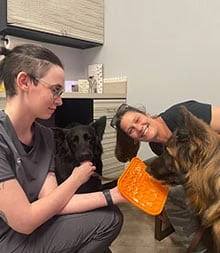
Pets are valued members of our families, and their well-being and security are always our top priority. Although routine veterinary visits support long-term health, there may be times when it is necessary to proceed without waiting until the next appointment. It is just a matter of knowing when to take your pet to an emergency veterinarian, and that may be what saves their life.
What Is an Emergency Veterinarian?
Veterinarian Fairfax VA specializes in providing immediate medical care for pets facing critical or life-threatening conditions. These clinics are often open 24/7 or outside normal business hours and are equipped to handle trauma, severe illness, and sudden complications. Emergency vets have advanced diagnostic tools, surgical capabilities, and trained staff ready to act fast.
Why Recognizing a Veterinary Emergency Is Crucial
Pets cannot clearly communicate pain or distress, which means symptoms can escalate rapidly. Delaying care during a true emergency can result in severe complications, permanent damage, or loss of life. Pet owners who understand emergency signs are better prepared to act swiftly and confidently.
Common Situations That Require an Emergency Veterinarian
1. Difficulty Breathing
Labored breathing, choking, gasping, blue or pale gums, or excessive coughing are serious red flags. Breathing problems may be caused by heart disease, allergic reactions, airway blockages, or trauma and require immediate attention.
2. Severe Bleeding or Trauma
If your pet has been hit by a car, fallen from a height, attacked by another animal, or is bleeding heavily, seek emergency care immediately. Even if wounds appear minor, internal injuries may be present.
3. Sudden Collapse or Unconsciousness
Fainting, collapse, seizures, or unresponsiveness are signs of serious underlying issues such as poisoning, heart problems, neurological disorders, or severe infections.
4. Repeated Vomiting or Diarrhea
Occasional vomiting may not be an emergency, but persistent vomiting, diarrhea lasting more than 24 hours, vomiting blood, or diarrhea combined with lethargy can quickly lead to dehydration and shock.
5. Seizures
A seizure lasting more than a few minutes, multiple seizures in a short time, or a first-time seizure is an emergency. Immediate veterinary care is essential to prevent brain damage or other complications.
Poisoning and Toxic Exposure
6. Ingestion of Toxic Substances
Pets are naturally curious and may ingest harmful substances such as:
- Chocolate
- Grapes or raisins
- Medications (human or veterinary)
- Household cleaners
- Pesticides or rodenticides
- Certain plants
If you suspect poisoning, do not induce vomiting unless instructed. Go to Warrenton Animal Hospital immediately.
Abdominal and Digestive Emergencies
7. Bloating or Distended Abdomen
A swollen, hard abdomen—especially in large-breed dogs—may indicate gastric dilatation-volvulus (GDV), commonly known as bloat. This condition is extremely dangerous and requires immediate surgery.
8. Inability to Urinate or Defecate
Straining to urinate, crying in pain, or producing little to no urine may indicate a urinary blockage, especially in male cats. This is a life-threatening emergency that requires urgent treatment.
Pain and Behavioral Changes
9. Extreme Pain or Sudden Lameness
If your pet shows signs of intense pain, refuses to move, cries continuously, or suddenly cannot walk, emergency care is necessary. Pain can signal fractures, spinal injuries, or internal damage.
10. Sudden Behavioral Changes
Aggression, confusion, disorientation, excessive hiding, or extreme lethargy can be signs of neurological issues, poisoning, or internal illness requiring urgent evaluation.
Reproductive and Heat-Related Emergencies
11. Complications During Labor
If a pregnant pet is straining for more than 30 minutes without delivering a puppy or kitten, or if there is excessive bleeding, seek emergency veterinary care immediately.
12. Heatstroke
Heatstroke is common during hot weather and can be fatal. Symptoms include excessive panting, drooling, vomiting, collapse, and high body temperature. Immediate cooling and emergency treatment are critical.
Eye and Allergic Emergencies
13. Eye Injuries or Sudden Vision Problems
Squinting, swelling, discharge, or sudden blindness are urgent concerns. Eye injuries worsen quickly and may lead to permanent vision loss if not treated promptly.
14. Severe Allergic Reactions
Facial swelling, hives, vomiting, difficulty breathing, or collapse after a sting, bite, or new food exposure may indicate anaphylaxis—a medical emergency.
When It May Not Be an Emergency
Not every health concern requires emergency care. Minor issues such as mild itching, small cuts, or slight appetite changes can often wait for a regular vet visit. However, if you are unsure, it is always safer to call an emergency clinic for guidance.
How to Prepare for a Veterinary Emergency
- Know the location and contact number of the nearest emergency vet clinic
- Keep your pet’s medical records accessible
- Have a pet first-aid kit at home
- Stay calm and handle your pet gently
- Transport your pet safely using a carrier or blanket
Trust Your Instincts
As a pet owner, you know your pet’s normal behavior better than anyone else. If something feels seriously wrong, do not wait. Trust your instincts and seek emergency veterinary care.
Conclusion
Understanding when to visit an emergency vet Nokesville VA is an essential part of responsible pet ownership. From breathing difficulties and poisoning to trauma and sudden illness, quick action can save your pet’s life. When in doubt, it’s always better to err on the side of caution. Prompt veterinary intervention ensures your beloved companion gets the care they need when every second counts.
FAQs
What qualifies as a veterinary emergency?
A veterinary emergency is any situation where your pet’s life may be at risk or they are in severe pain. This includes difficulty breathing, seizures, severe bleeding, poisoning, sudden collapse, trauma, or inability to urinate.
How do I know if my pet needs emergency care or a regular vet visit?
If symptoms appear suddenly, worsen quickly, occur after hours, or involve intense pain, breathing issues, or loss of consciousness, emergency care is required. When in doubt, it is always safer to contact an emergency veterinarian.
Should I go to an emergency vet even if I am unsure?
Yes. Emergency clinics can guide you over the phone and help determine if immediate treatment is necessary. Delaying care can sometimes make a condition worse.
Are emergency veterinary clinics open 24/7?
Many emergency veterinary hospitals operate 24/7, including weekends and holidays. Some clinics offer after-hours emergency services, so it’s important to know the nearest option in advance.