You should contact a professional drain cleaner the moment you notice multiple slow drains, persistent foul odors, or recurring clogs that DIY methods fail to fix. These symptoms often point to deep blockages or sewer line issues that require specialized tools like hydro jetting or motorized augers. Addressing these problems early prevents structural pipe damage and expensive emergency repairs.
This guide provides a detailed look at identifying serious plumbing issues before they escalate into disasters. Expert knowledge in pipe maintenance ensures that your home drainage remains clear and functional throughout the year. Knowing when to step away from the plunger and call for expert help saves time and protects your property value.
Identifying Urgent Signs of Drain Failure
Ignoring minor plumbing issues leads to major headaches later on. If you see water pooling around your feet in the shower or notice your sink takes several minutes to empty, the blockage is already significant. A professional drain cleaner has the diagnostic tools to find the exact location of the obstruction without guessing.
Common warning signs include:
- Gurgling sounds coming from the pipes after you flush the toilet or run the dishwasher.
- Water backing up into the bathtub when you use the washing machine or bathroom sink.
- Persistent fruit fly or drain fly infestations that don't go away with surface cleaning.
- Slow drainage in multiple fixtures simultaneously across different rooms.
Bonus Tip: Check your exterior sewer cleanout pipe for standing water. If water is pooled in the cleanout, the blockage is likely in the main line rather than in a specific household fixture.

Why DIY Chemicals Are Not the Answer
Many homeowners reach for liquid chemical cleaners as a first resort. These products use caustic reactions to eat through hair and grease, but they also generate heat that can warp PVC pipes or corrode older metal lines. A professional drain cleaner avoids these harsh chemicals to preserve the integrity of your plumbing system.
Using professional drain cleaning services ensures a physical removal of the debris rather than just burning a small hole through it. Chemical cleaners often leave behind a sticky residue that catches new debris, leading to a harder clog within weeks. Experts use mechanical means to ensure the entire diameter of the pipe is clear.
Comparing Different Pipe Clearing Methods
Not every clog requires the same approach. Some situations need a simple mechanical snake, while others require high-pressure water to scrub the interior walls of the pipes. Understanding the tools used by a professional drain cleaner helps you understand the value of the service provided.

Data shows that hydro jetting can restore pipes to nearly original flow capacity, whereas mechanical snaking often only clears a path through the center of the debris. Most modern local drain experts recommend hydro jetting for long-term maintenance.
How Puyallup Weather and Soil Impact Your Drains
The Pacific Northwest climate presents unique challenges for residential drainage systems. Puyallup experiences significant annual rainfall, which saturates the soil and puts pressure on your exterior sewer lines. If your yard has large trees, their roots will naturally seek out the moisture inside your pipes, especially during drier summer spells.
Regional factors to watch:
- Intrusive tree roots from Douglas firs or maples common in Washington landscapes.
- Shifting soil and hydrostatic pressure caused by heavy rain cycles that can lead to pipe belly or offset joints.
- Increased demand on storm drains and sump pumps during the peak rainy season.
- Old clay or Orangeburg pipes found in historic Puyallup neighborhoods are prone to collapse.
Foul Odors and Sewer Gas Risks
If your home smells like rotten eggs or raw sewage, you have a serious problem that requires a professional drain cleaner. These smells indicate that sewer gases are bypassing your P-traps or that debris is rotting deep within your lines. This is not just a nuisance; it is a health concern for everyone in the building.
Sewer gas can contain methane and hydrogen sulfide. When a clog prevents the proper venting of these gases, they find the path of least resistance into your living spaces. Experts use smoke testing or camera inspections to find where these gases are escaping and seal the system.
Bonus Tip: Pour a gallon of water down basement floor drains or guest bathroom sinks once a month to ensure the P-traps stay full and block sewer gases.
Does Your Home Have Recurring Clogs?
A single clog is usually a localized issue, but recurring blockages suggest a systemic problem. If you find yourself clearing the same kitchen sink drain every few months, there is likely a buildup of fats, oils, and grease further down the line. Only a professional drain cleaner can reach these distant blockages.
Statistics indicate that nearly 47% of sewer overflows are caused by grease blockages. Professional technicians use specialized scouring heads to remove this buildup entirely. This prevents the "snowball effect" where small particles continue to stick to the grease until the pipe is completely sealed.
Selecting the Right Expert for Your Plumbing Needs
Choosing a service provider involves more than just finding the lowest price. You need to ensure the team has the right technology to handle the specific infrastructure of your home. High-quality drain cleaning services should include a preliminary inspection to avoid damaging fragile or aging pipes.
Factors to check before hiring:
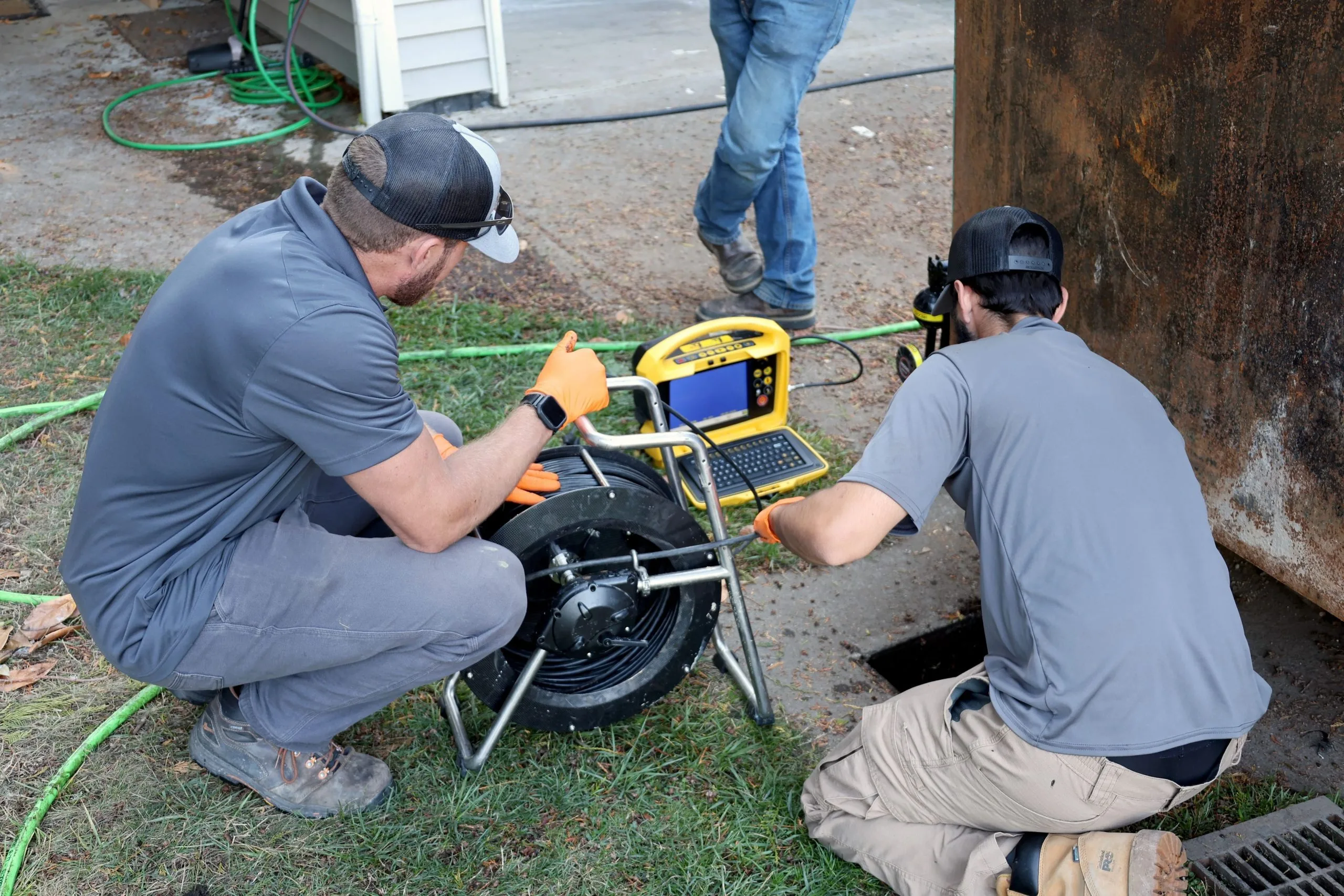
- Availability of video camera inspection technology to see the actual problem.
- Licensing and insurance to protect your property during the cleaning process.
- Clear pricing structures that avoid hidden fees for "difficult" clogs.
- Positive local reputation for punctuality and cleanliness after the job is finished.

The Danger of Overlooking Slow Drains
A slow drain is often viewed as a minor inconvenience rather than a priority. However, slow drains are the precursor to total blockages and potential water damage. When water sits in a pipe for too long, it increases the pressure on joints and seals, which can lead to leaks behind walls or under floors.
Prompt action includes:
- Monitoring how long it takes for a full tub to empty.
- Watching for water rising in the toilet when the sink is running.
- Checking for damp spots on the floor near drain lines.
- Scheduling a routine inspection every two years for older homes.
What to Consider Before Calling for Service
Before you pick up the phone, take a moment to assess the situation. This helps the technician prepare the right equipment before they arrive at your door. Providing clear details can often lead to a more accurate initial estimate and faster resolution of the problem.
Think about these points:
- How many fixtures are affected by the drainage issue?
- Have you used any chemical cleaners in the last 24 hours? (Important for technician safety).
- Is there an accessible cleanout port outside or in the basement?
- Did the problem start suddenly or has it been getting worse over time?
Essential Maintenance to Prevent Future Clogs
Once a professional has cleared your lines, maintaining them is your responsibility. Simple habits can extend the life of your pipes and reduce the frequency of professional visits. Modern plumbing is durable, but it is not indestructible, and it cannot handle everything you might want to wash away.
Best practices for pipe health:
- Never pour cooking oil or bacon grease down the kitchen sink.
- Use mesh hair catchers in all tubs and showers.
- Only flush toilet paper and human waste; "flushable" wipes are a leading cause of clogs.
- Run cold water for 30 seconds after using the garbage disposal to move debris further down the line.
Professional Care for Your Home Drainage System
Managing your home's plumbing requires a balance of daily care and professional intervention. While basic tools can handle surface issues, the deep-seated blockages common in Puyallup homes require specialized expertise. A professional drain cleaner provides the long-term resolution needed to keep your water flowing and your home safe.
By recognizing the signs of trouble early and avoiding damaging DIY chemicals, you protect your plumbing infrastructure. Evaluate the age of your home and the behavior of your drains regularly. If problems persist, seeking expert help is the most cost-effective way to manage your property and avoid the stress of a plumbing emergency.
Contact Expert Drain Professionals for a Free Quote Today
When you face stubborn clogs or sewer backups, All Drain Solutions offers the expert help you need. They specialize in comprehensive drain cleaning services including hydro jetting and camera inspections. If you need a reliable professional drain cleaner, you can reach them at (253) 200-0451 or via email at [email protected]. They provide a free quote to help you understand your options without any pressure. Contact their team today to restore your home's plumbing to perfect working order.
Frequently Asked Questions About Professional Drain Care
How long does a professional drain cleaning session usually take?
Most standard residential cleanings take between one and two hours. If the blockage is deep in the sewer line or involves heavy root intrusion, it may take longer to ensure the pipe is completely cleared and inspected.
Is hydro jetting safe for older pipes in Puyallup?
Yes, when performed by an expert who adjusts the pressure based on the pipe material and condition. A camera inspection is usually done first to ensure the pipe is structurally sound enough to handle the water pressure.
Can I use a plumbing snake myself?
Small hand snakes are fine for minor clogs near the sink or tub. However, motorized snakes can be dangerous and can actually puncture or crack pipes if used incorrectly by someone without training.
What is the most common cause of sewer backups?
Tree root intrusion is the primary cause in the Puyallup area. Roots find small cracks in the pipe and grow inside, creating a thick mat that catches debris and eventually blocks the entire flow of water.
How often should I have my drains professionally cleaned?
For most homes, a professional cleaning every 18 to 24 months is ideal for prevention. Homes with older pipes or many large trees in the yard may benefit from an annual inspection to catch small issues before they become emergencies.