The small specification gaps in stackers, racking, and compressed air that turn into daily problems
Storage setups tend to be planned once and lived with for a long time. The racking goes in, the handling equipment arrives, the compressed air lines get run, and then the operation starts working around whatever doesn't quite fit. The issues rarely stop the job outright — they just add friction every shift, for months.
Stackers: The Spec Detail That Grounds A Machine
A stacker that can't reach the top beam is useless for half the racking. A stacker that can reach it but can't fit through the loading bay door at full mast height doesn't leave the yard. Both are common problems and both come from checking lift height without checking the travel path.
The other issue is shift length versus battery runtime. On a single-shift operation this usually isn't a problem. On sites running extended hours or back-to-back shifts, a stacker that runs flat before the shift ends creates a gap that's hard to cover without a spare unit. Opportunity charging during breaks helps, but only if the charge point is accessible from where the machine is actually working — not on the other side of the warehouse.
Pallet Racking: What Changes After Installation
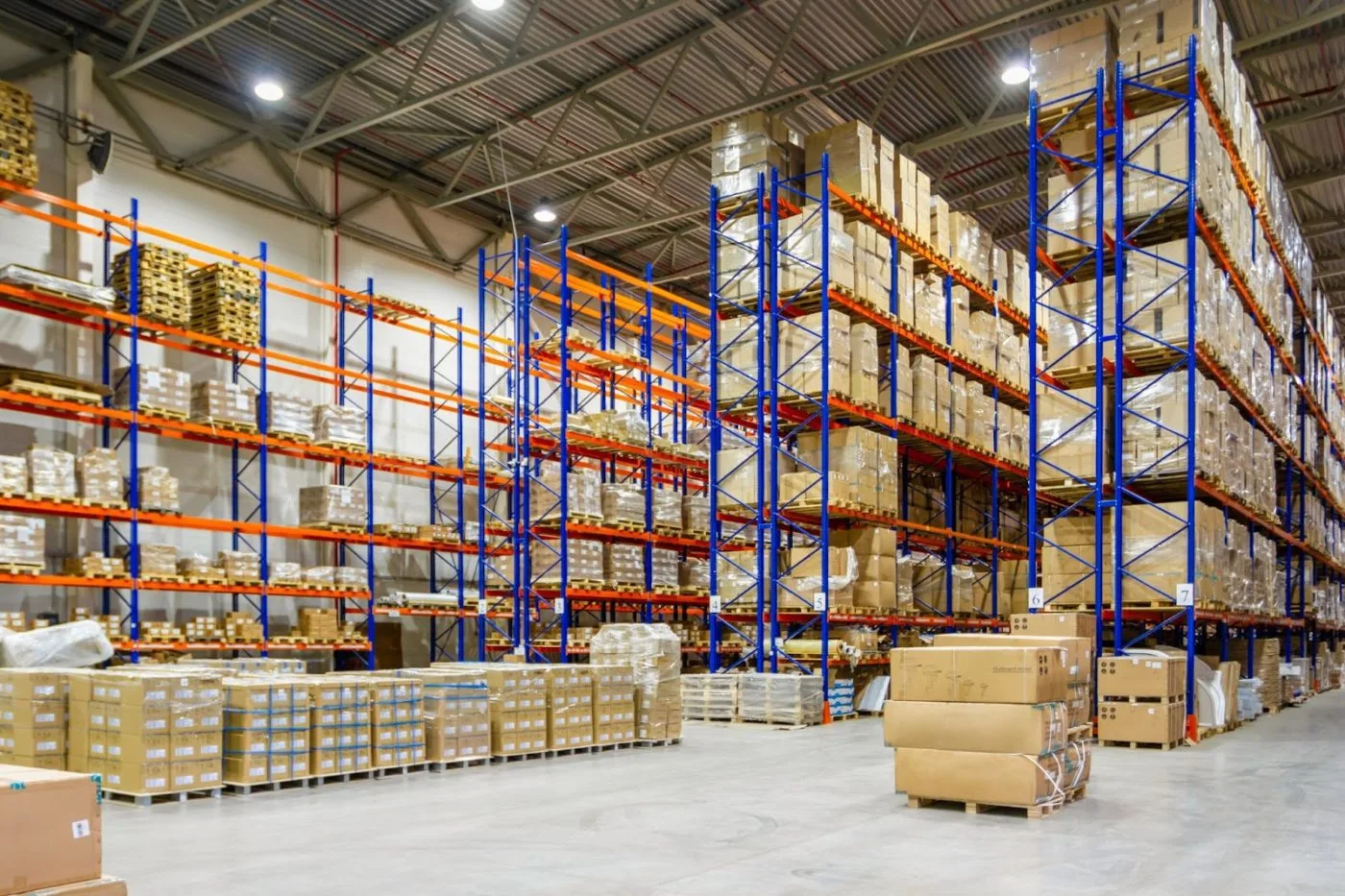
The most common racking problem isn't structural — it's that the beam heights were set for the stock profile at installation and nobody adjusted them when the stock changed. Taller pallet racking systems get forced into bays that are a few centimetres short. Operators tip the load to make it fit, or leave bays empty rather than deal with it. Either way, the racking isn't doing the job it was bought to do.
Beam adjustment is straightforward on most systems, but it tends not to happen unless someone is specifically responsible for it. Racking reviews aren't part of most operations' regular maintenance schedule, so the mismatch between beam height and actual stock just persists. Adding a basic racking audit to the annual maintenance cycle — checking load ratings, inspecting for damage, and verifying beam heights against current stock — catches problems that otherwise run for years.
Compressed Air Dryers: The Maintenance Item That Gets Skipped
The dryer is the piece of kit that fails invisibly. It’s still running, the pressure gauge looks fine, nothing has alarmed — and wet air has been getting through for weeks. You find out when a pneumatic tool starts seizing up, or a spray finish comes out wrong, or a valve that should open doesn’t. At that point the dryer has already been underperforming for longer than anyone realised, and the downstream damage is done.
Desiccant dryers burn through their media faster in humid conditions or under heavy air volume — the standard service interval on the label is a starting point, not a guarantee. On a coastal site running multiple shifts, that schedule might need to be halved. Refrigerant dryers have a different weak point: the condensate drain. When it blocks, water backs up into the lines regardless of whether the refrigerant side is working perfectly. It’s a five-minute check that most operations skip entirely.
Sizing is where the original installation often falls short. A dryer matched to the compressor's nominal output may be undersized for the actual operating conditions — higher temperature, higher humidity, longer run times. The fix at that point is either a larger dryer or an additional unit in series, both of which are more disruptive than getting the spec right before commissioning.
The Common Thread
The thread connecting stackers, racking, and compressed air dryers is that none of them announce when they start drifting. The stacker still moves, the racking still holds stock, the dryer still cycles. The degradation happens underneath normal operations, absorbed as everyday friction — slower picks, workarounds people stop noticing, tools that just seem to wear out faster than they used to. By the time it surfaces as a named problem, it’s usually been running quietly for months.
Putting a basic review process around all three — stacker battery and travel path checks, racking audits, dryer service intervals tied to actual usage — catches most of this before it becomes a disruption. It's less about the equipment and more about whether anyone is looking at it regularly enough to notice when it drifts.