
The Phone Call That Changes Everything
Three months ago, my brother-in-law called me at 1:30 in the morning. His voice had that particular edge that makes your stomach drop. His wife had severe abdominal pain—the kind that made her curl up and go pale. Which hospital should they go to?
That question matters more than most people realize until they're asking it themselves. Because "emergency room" doesn't mean the same thing at every hospital. Some have one doctor covering five departments. Some lack basic imaging equipment after hours. Some stabilize you just enough to transfer you somewhere else once the sun comes up.
He ended up at Geetanjali Hospital, what people increasingly refer to as a reliable 24 hour emergency hospital in Jaipur. The appendix had ruptured. She was in surgery within 90 minutes of arrival. Two weeks later, she was back at work.
Where Emergency Departments Actually Fail
I've seen enough emergency situations now to recognize patterns. The biggest failures aren't dramatic—they're mundane delays that accumulate into disasters.
The cardiac patient waits 40 minutes because the on-call cardiologist is stuck in traffic. The accident victim needs a CT scan, but the technician has to be called in from home. The stroke patient sits undiagnosed because the triage nurse didn't catch the subtle symptoms. The trauma case gets stabilized, then transferred to another facility for actual surgery because the operating rooms are only staffed during day shifts.
Each of these delays steals time that patients don't have. Brain tissue dies at a predictable rate during strokes. Heart muscle deteriorates minute by minute during attacks. Internal bleeding doesn't pause politely while hospitals arrange staffing.
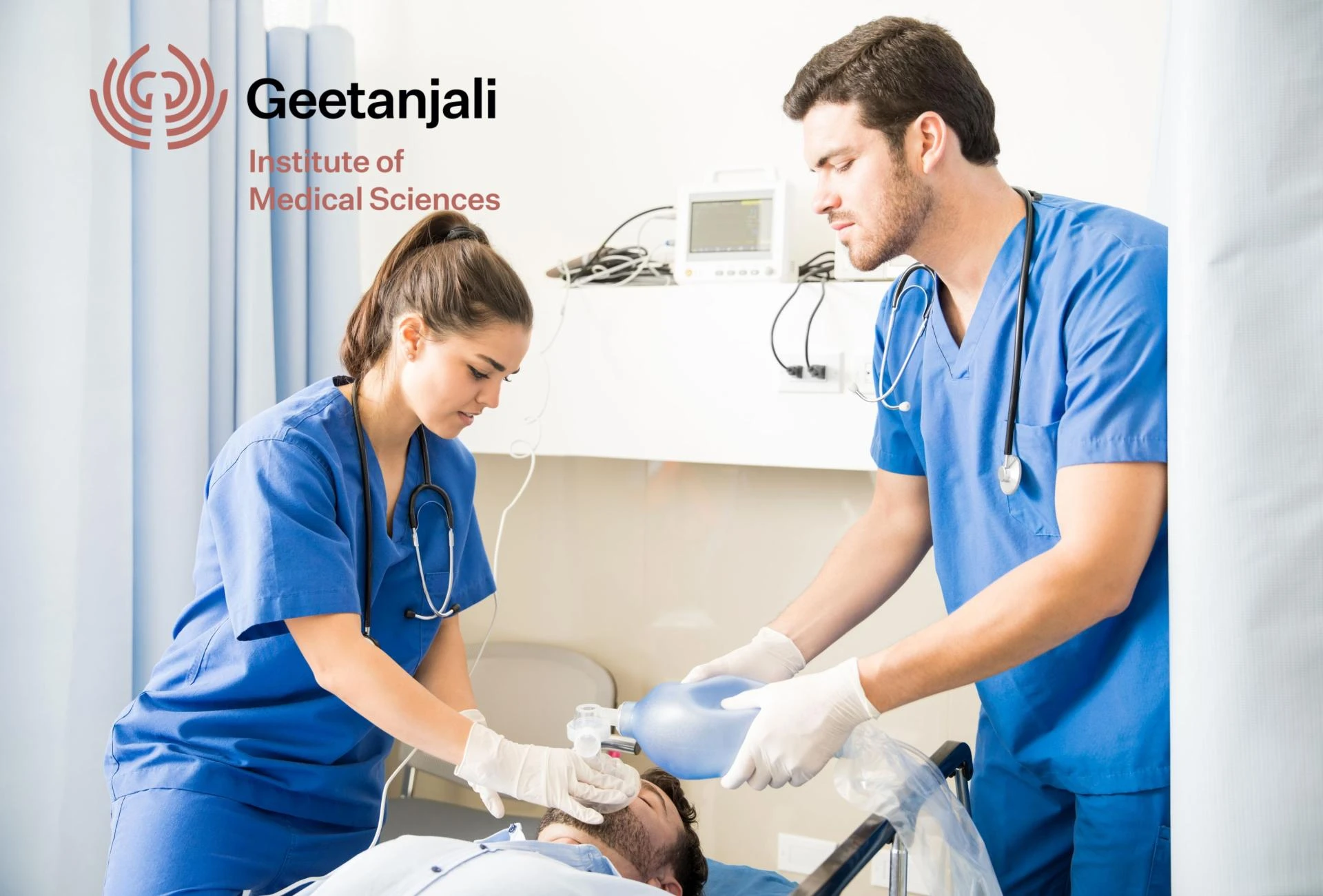
What makes Geetanjali function as a legitimate hospital with ICU and trauma care in Jaipur is boring logistical competence. Specialists are physically present, not theoretically available. The imaging equipment runs 24 hours because they staff it 24 hours. The ICU maintains over 150 beds with monitoring equipment that actually works. Operating theaters can go from idle to active in minutes, not hours.
When someone arrives having a heart attack, the catheterization lab team is already assembling by the time the ambulance doors open. That's not magic—it's staffing decisions that cost money but save lives.
The First Hour Determines the Next Six Months
Emergency medicine people talk about golden hours and critical windows. Those concepts sound abstract until you're watching doctors work.
My friend's teenager had a motorcycle accident last summer. Head injury, possible internal bleeding, broken femur. The emergency team at Geetanjali had neurosurgery evaluating the head injury while general surgery assessed internal damage and orthopedics handled the leg—simultaneously, not sequentially. Within two hours, he was in surgery. The neurosurgeon and general surgeon worked in coordinated shifts.
That integration is what distinguishes a hospital for surgery and critical care in Jaipur from a facility that just has an emergency room. They're not stabilizing and shipping elsewhere. They're treating definitively, immediately, with whatever specialties the situation demands.
The kid recovered fully. The neurosurgeon later told my friend that the first three hours had been critical—any significant delays would have changed outcomes permanently.
Why Pediatric Emergencies Need Different Protocols
Children metabolize medications at different rates than adults. Their normal heart rates and blood pressures follow different ranges. A fever that's merely uncomfortable for an adult can indicate something serious in an infant. Dehydration progresses faster. Respiratory issues escalate quicker.
Geetanjali runs separate pediatric emergency protocols with dedicated PICU beds. When my neighbor's two-year-old had a febrile seizure at midnight, the pediatric team responding knew exactly how to handle it—not general emergency doctors improvising, but specialists who manage pediatric crises routinely.
Parents notice these differences. Appropriately-sized equipment. Medication doses calculated correctly the first time. Staff who know how to communicate with terrified four-year-olds while inserting IV lines. These details matter enormously when your child is the patient.
The Unglamorous Infrastructure That Saves Lives
Nobody thinks about blood banks until surgery requires eight units immediately. Geetanjali operates theirs 24/7, maintaining adequate supplies across all blood types. Sounds routine until you're the family being told that surgery must wait because the hospital can't source B-negative blood at 2 AM on a Sunday.
Same with the pharmacy. Same with the laboratory running urgent tests. Same with the dialysis unit handling sudden kidney failures. Emergency care depends on dozens of support services functioning simultaneously, around the clock.
What Families Remember Later
People who've experienced emergencies here mention similar observations: triage moved quickly, someone kept explaining what was happening despite obvious chaos, treatment started before the payment discussion finished, and the outcomes matched what doctors predicted.
When someone you love needs emergency care, you want speed, competence, and enough humanity that you're treated like people rather than problems. Getting all three consistently—at 3 PM or 3 AM—defines emergency departments worth trusting.