Education does not always happen in quiet classrooms or lecture halls. Sometimes it happens in busy exhibition spaces where students, teachers, institutions, and industry leaders meet face to face. The atmosphere is different there. Conversations are quicker, questions are direct, and ideas travel faster.
Education events have quietly become an important part of how students explore opportunities today. They are less about promotion and more about connection. When dozens of universities, training institutes, and education experts gather in one place, information becomes easier to compare and understand.
A student researching courses online may spend hours moving from one website to another. At an education event, that same student can speak with representatives from several institutions within a few minutes. The interaction feels more real. Instead of reading prepared descriptions, students ask practical questions about courses, internships, campus life, or career paths.
Parents often find these events equally useful. Many families want clarity before making decisions about higher education. Speaking directly with academic counselors or university teams gives them a better sense of what a program actually offers. Brochures can explain a curriculum. Conversations explain expectations.
Another reason education events remain relevant is exposure. Students usually begin their search with a few familiar career choices. Engineering, medicine, business — the usual paths. But when they walk through an exhibition hall filled with institutions from different fields, they discover programs they may never have considered. Design studies, data science, environmental research, hospitality management, and creative technology. Sometimes a new idea appears simply because someone happened to stop at a booth and ask a question.
For universities and institutes, these gatherings offer something valuable as well. They get to understand what students are really asking. Which skills are attracting attention? Which careers are students curious about? The conversations become a small window into the changing expectations of young learners.
Education events also bring educators, policymakers, and training providers into the same space. That mixture often leads to discussions that go beyond admissions. There are talks about skill development, future job markets, digital learning tools, and how education systems can respond to changing industries.
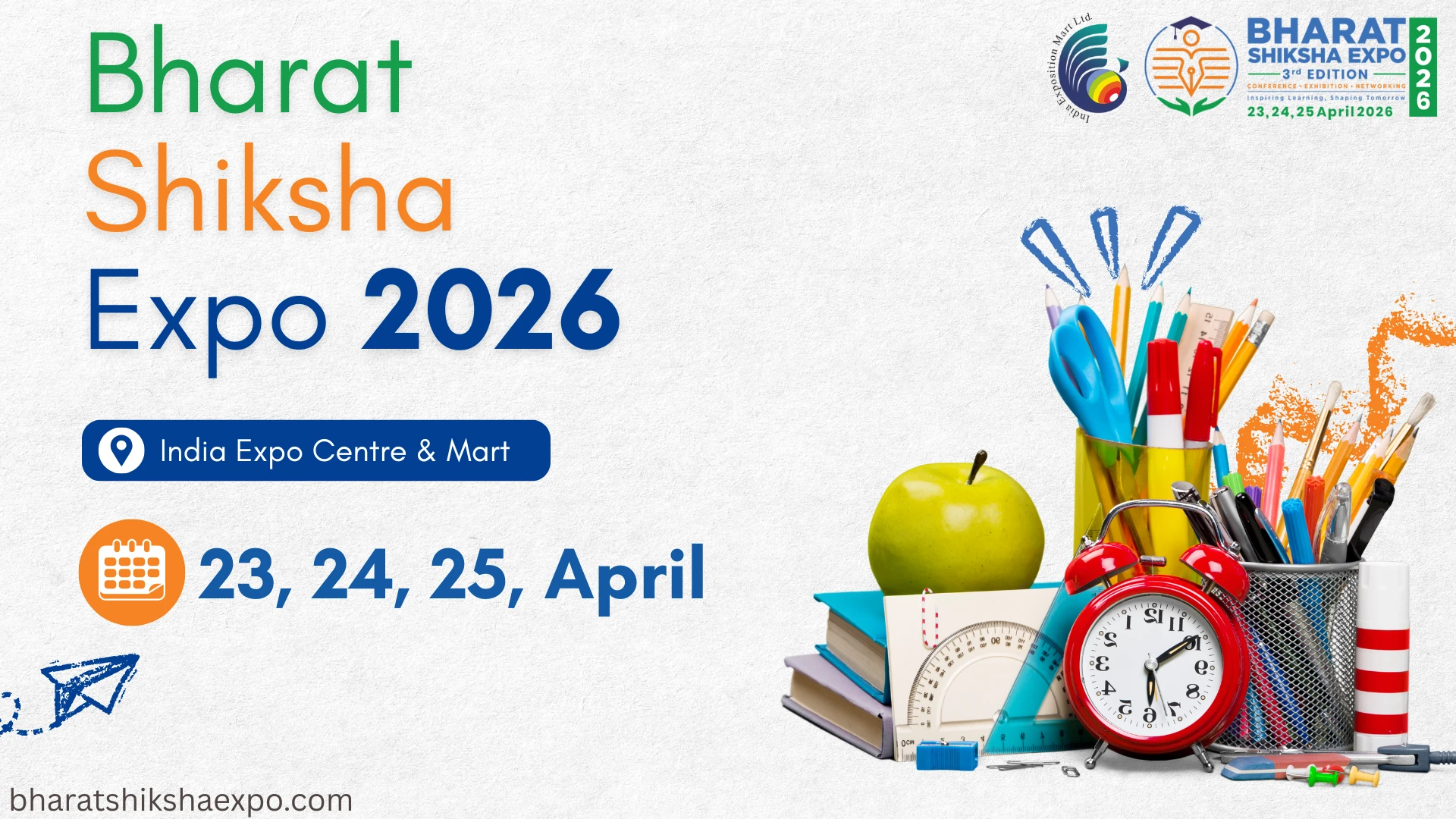
One such platform that reflects this growing role of academic exhibitions is Bharat Shiksha Expo 2026, where institutions, educators, and students come together to exchange ideas about learning, skills, and the future of education in India.
What makes these events meaningful is not the scale or the number of participants. It is the conversations that happen in between — a student discovering a new course, a teacher explaining a research program, a parent gaining confidence about a child’s future.
Education is often described as a long journey. Events like these simply create a place where that journey begins to take shape. Sometimes, all it takes is one conversation for a student to see their direction more clearly.