
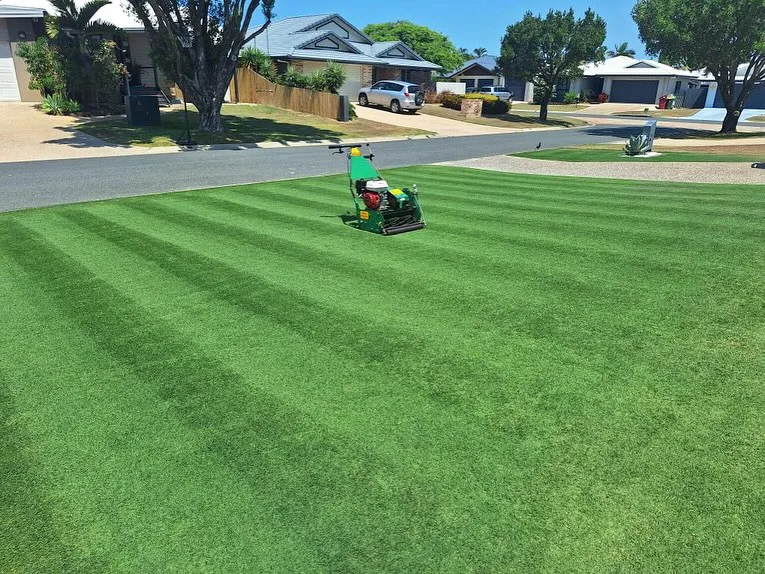
A lush, green lawn doesn’t happen by accident—especially in New Hampshire’s challenging climate. If your yard looks thin, patchy, or struggles to bounce back, compacted soil may be the underlying issue. Understanding the best time for lawn aeration in NH can make a noticeable difference in your lawn’s health and long-term performance.
What Is Lawn Aeration and Why It Matters
Lawn aeration is the process of creating small holes in the soil to allow air, water, and nutrients to penetrate deeper into the root system. Over time, soil becomes compacted due to foot traffic, heavy clay composition, and seasonal freeze-thaw cycles—conditions commonly experienced across New Hampshire.
Core aeration, which removes small plugs of soil, is considered the most effective method. It relieves compaction and improves nutrient absorption. When combined with overseeding or fertilization, aeration can significantly enhance turf density and resilience.
The Best Time for Lawn Aeration in NH
Timing is everything when it comes to aeration. New Hampshire’s seasonal climate plays a crucial role in determining when your lawn will benefit most.
Fall (Late August – October): The Ideal Season
For most homeowners, fall is the best time for lawn aeration in NH. Cool-season grasses like Kentucky bluegrass, fescue, and ryegrass thrive during this period. The soil remains warm enough to encourage root growth, while cooler air temperatures reduce stress on the grass.
Fall aeration also pairs well with overseeding. The open soil allows seeds to establish strong roots before winter, leading to a thicker, healthier lawn in spring.
Spring (April – May): A Secondary Option
Spring aeration can be beneficial, particularly for lawns with severe compaction. However, it requires careful timing. Early spring soil can be too wet, which may cause damage during aeration. Additionally, aeration holes can create opportunities for weeds like crabgrass to grow.
If spring aeration is necessary, it should be coordinated with proper weed control strategies to maintain lawn health.
Summer & Winter: Not Recommended
Aerating during summer can stress your lawn due to heat and limited moisture. Winter aeration, on the other hand, is ineffective because the ground is frozen. For optimal results, sticking to a fall-focused approach is strongly recommended.
Signs Your Lawn May Need Aeration
Not sure if your lawn needs aeration? Look for these common indicators:
- Water pooling or running off instead of soaking in
- A spongy feel or thick thatch layer
- Thin or bare patches that don’t improve with watering or fertilizing
- High-traffic areas showing wear and tear
- Difficulty inserting a screwdriver into the soil
These signs often point to compaction, which aeration can effectively address.
The Value of Professional Lawn Care
While DIY aeration tools are available, professional services often deliver better results. Commercial-grade equipment can reach deeper into the soil and create more consistent aeration patterns. Experienced technicians also understand how to tailor treatments based on soil type, grass variety, and seasonal conditions.
Additionally, aeration is most effective when combined with a broader lawn care strategy. This may include fertilization, overseeding, weed control, and soil balancing—all of which contribute to long-term lawn health.
Building a Healthier Lawn Year-Round
Aeration is not a one-time fix but part of a larger lawn care approach. Seasonal treatments designed for New Hampshire’s unique conditions can help maintain consistent growth and prevent recurring issues.
For homeowners in Southern NH, especially around Salem, working with a local lawn care provider can offer added advantages. Local expertise ensures that treatments are timed correctly and adapted to regional soil and climate patterns.
Final Thoughts
Knowing the best time for lawn aeration in NH is key to achieving a healthier, more vibrant yard. Fall remains the top choice for most lawns, offering ideal conditions for root development and recovery. However, understanding your lawn’s specific needs and acting at the right time can make all the difference.
If your lawn is showing signs of compaction or underperformance, aeration—combined with a well-planned care routine—can help restore its full potential.