
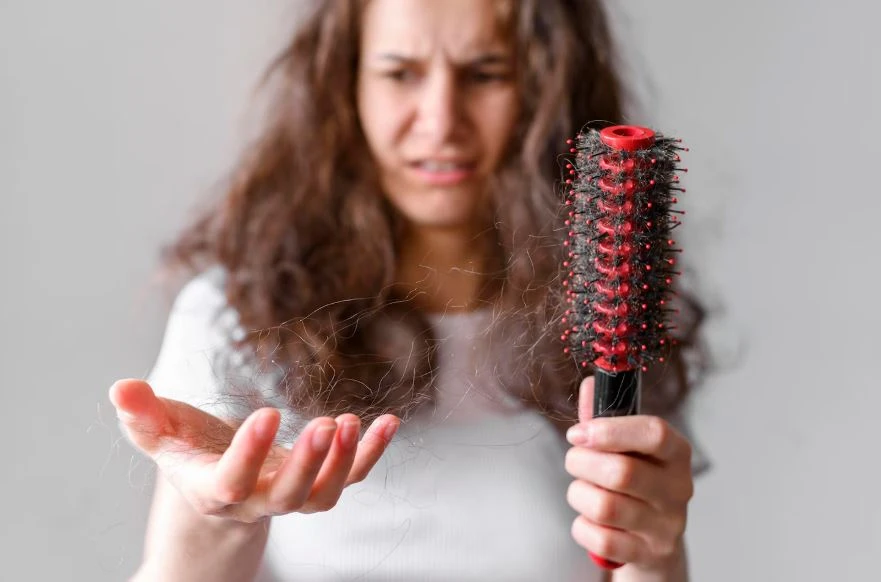
Hair fall is a common issue experienced by people of all ages. Losing a few strands of hair daily is normal and part of the natural hair growth cycle. However, when hair fall becomes excessive, persistent, or sudden, it may indicate an underlying medical condition that requires professional attention. Consulting the Best Dermatologist in Dubai can help identify the root cause and provide the right treatment at the right time.
This blog explains when hair fall is normal, when it becomes a medical concern, and why early diagnosis is important.
How Much Hair Fall Is Considered Normal?
On average, losing 50 to 100 hairs per day is considered normal. This hair loss is usually balanced by new hair growth and does not lead to noticeable thinning. Normal hair fall often occurs due to:
- Regular hair washing or brushing
- Seasonal changes
- Mild stress
- Temporary lifestyle changes
If hair density remains stable, there is usually no cause for concern.
When Does Hair Fall Become a Medical Issue?
Hair fall should be considered a medical concern when it shows the following signs:
1. Excessive Daily Hair Loss
If you notice large amounts of hair on your pillow, shower drain, or comb consistently, it may signal abnormal hair shedding.
2. Visible Thinning or Bald Patches
Gradual thinning, widening of the hair part, or patchy hair loss may indicate conditions like alopecia or hormonal imbalance.
3. Sudden Hair Loss
Sudden hair fall following illness, surgery, childbirth, or extreme stress may require medical evaluation to prevent long-term damage.
4. Hair Fall With Scalp Problems
Hair loss accompanied by itching, redness, scaling, pain, or dandruff can be a sign of scalp infections or inflammatory conditions.
5. Hair Loss With Other Symptoms
If hair fall occurs along with fatigue, weight changes, irregular periods, or skin issues, it may be linked to thyroid disorders, anemia, or nutritional deficiencies.
In such cases, consulting the Best Dermatologist in Dubai is essential for accurate diagnosis and treatment.
Common Medical Causes of Hair Fall
Hormonal Imbalance
Conditions like thyroid disorders, polycystic ovary syndrome (PCOS), and menopause can disrupt hair growth cycles.
Nutritional Deficiencies
Low levels of iron, vitamin D, protein, and vitamin B12 are common causes of excessive hair fall.
Alopecia Areata
An autoimmune condition that causes sudden patchy hair loss on the scalp or other body parts.
Scalp Infections
Fungal infections and chronic dandruff can weaken hair roots and lead to hair fall.
Genetic Hair Loss
Androgenetic alopecia is a hereditary condition that causes gradual thinning in men and women.
A consultation with the Best Dermatologist in Dubai helps differentiate between temporary hair shedding and long-term hair loss conditions.
Why Early Diagnosis Matters
Ignoring excessive hair fall can worsen the condition and reduce treatment effectiveness. Early diagnosis allows:
- Identification of the exact cause
- Prevention of permanent hair loss
- Faster and more effective treatment outcomes
- Personalized hair care and medical solutions
Dermatologists use scalp examinations, blood tests, and sometimes scalp biopsies to determine the cause accurately.
Available Treatments for Medical Hair Fall
Depending on the diagnosis, a dermatologist may recommend:
- Medical treatments to stimulate hair growth
- Nutritional supplements
- Topical or oral medications
- Treatment for underlying medical conditions
- Advanced therapies such as PRP or mesotherapy
The Best Dermatologist in Dubai will design a treatment plan based on individual hair type, lifestyle, and medical history.
When Should You See a Dermatologist?
You should seek professional help if:
- Hair fall continues for more than 6–8 weeks
- You notice visible thinning or bald patches
- Hair fall affects your confidence or daily life
- Home remedies show no improvement
Early consultation can prevent further hair damage and restore hair health effectively.
Conclusion
While some hair fall is normal, excessive or persistent hair loss should never be ignored. When hair fall becomes a medical concern, timely evaluation and treatment by the Best Dermatologist in Dubai can help identify the cause and restore healthy hair growth. Professional care ensures accurate diagnosis, effective treatment, and long-term hair and scalp health.