When a doctor recommends a specific type of scan, it often means they are looking for more detailed and accurate information than standard imaging can provide. For many patients, hearing about an EOS scan raises questions why this scan, what makes it different, and what will it actually show?
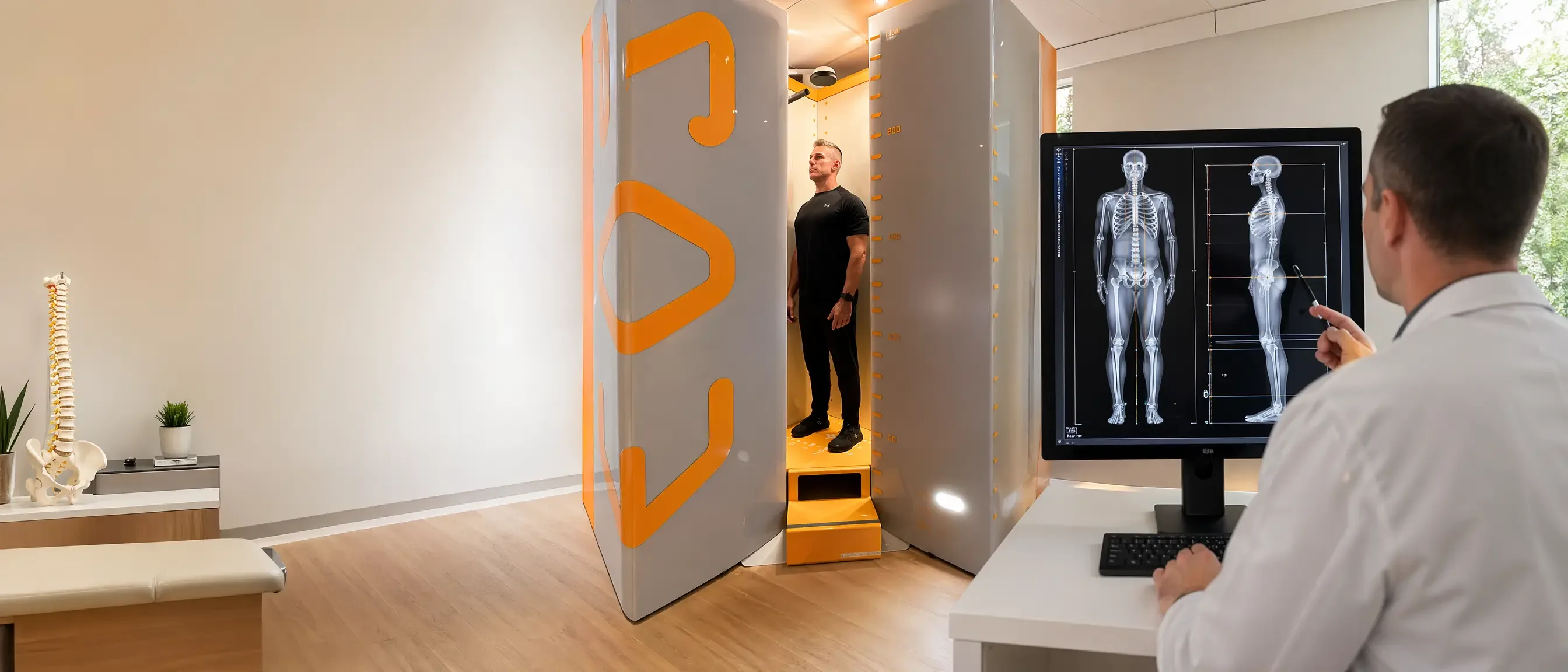
The answer lies in how EOS imaging works. Unlike traditional scans that focus on a single area of the body, EOS captures the entire skeletal structure while the patient is standing. This gives doctors a clear and realistic view of how the body is aligned under natural conditions. Because many musculoskeletal problems are linked to posture and weight-bearing mechanics, this type of imaging becomes extremely valuable in certain cases.
Why Doctors Choose EOS Imaging
Doctors do not recommend EOS scans for every situation. Instead, they use it when they need a deeper understanding of how different parts of the body are connected and functioning together.
Traditional scans like MRI or X-ray are helpful, but they have limitations. They are usually performed while lying down and often focus on a single region. This can miss the bigger picture, especially when the issue is related to alignment rather than isolated damage.
EOS imaging is preferred when doctors need:
- A full-body view of skeletal alignment
- Accurate measurements of posture and balance
- Insight into how gravity affects the body
- A clearer understanding of complex or unexplained symptoms
By capturing the body in a standing position, EOS provides information that cannot be seen in standard imaging.
Scoliosis Diagnosis and Monitoring
One of the most common reasons doctors recommend EOS scans is for scoliosis. This condition involves a three-dimensional curvature of the spine, which means it cannot be fully understood through flat, two-dimensional images.
EOS imaging allows doctors to measure:
- The exact degree of spinal curvature
- Rotation of the vertebrae
- Changes in alignment over time
For children and teenagers who require regular monitoring, EOS is especially beneficial because it uses significantly lower radiation compared to traditional methods. This makes long-term follow-up safer and more reliable.
Chronic Back Pain That Lacks Clear Answers
Many patients experience ongoing back pain even after undergoing multiple scans. In some cases, MRI and X-ray results appear normal, leaving both the patient and doctor without clear direction.
This is where EOS imaging becomes useful. By scanning the body under natural load, it can reveal issues that only appear when standing or moving.
Some common findings include:
- Sagittal imbalance, where the body’s center of gravity shifts
- Pelvic tilt affecting spinal alignment
- Compensatory posture patterns developed over time
- Subtle structural changes that are not visible when lying down
These insights help doctors identify the real cause of pain rather than just treating symptoms.
Hip and Knee Joint Planning
EOS imaging is also widely used in orthopedic care, particularly for patients preparing for hip or knee procedures. Joint problems are often influenced by the alignment of the entire body, not just the affected area.
For example:
- The position of the pelvis affects hip joint movement
- The alignment of the leg affects knee loading
- Posture influences how joints handle stress
EOS scans provide a complete view of these relationships. This allows doctors to plan treatments more accurately and improve outcomes, especially in surgical cases.
Measuring Leg Length Discrepancy
A difference in leg length may seem minor, but it can have a significant impact on posture and movement. Even a small imbalance can cause the pelvis to tilt, leading to spinal adjustments and long-term discomfort.
EOS imaging measures both legs simultaneously in a standing position. This ensures that the results reflect real-life conditions.
Doctors use this information to decide whether treatment is needed, which may include:
- Orthotic support
- Physical therapy
- Further evaluation for structural correction
Accurate measurement is essential, and EOS provides that precision.
Importance of Full-Body Alignment
Many musculoskeletal problems are interconnected. Treating one area without understanding its relationship to the rest of the body can lead to incomplete results.
EOS imaging helps doctors see how everything works together.
For instance:
- A spinal issue may be linked to pelvic imbalance
- A knee problem may originate from hip alignment
- A posture issue may involve multiple areas simultaneously
This full-body perspective allows for better diagnosis and more effective treatment planning.
Advantages Over Traditional Imaging
EOS scans offer several advantages that make them a preferred choice in specific situations.
- Full-body imaging in one session
- Standing position for realistic assessment
- Simultaneous front and side views
- Lower radiation exposure
- Accurate 3D measurements
These features allow doctors to gather more meaningful data in a shorter amount of time.
When You Might Need an EOS Scan
Doctors may recommend an EOS scan if your condition requires a detailed understanding of body alignment.
You may benefit from this scan if you:
- Have chronic pain that has not been clearly diagnosed
- Are being monitored for scoliosis or spinal changes
- Are preparing for joint-related procedures
- Have noticeable posture or balance issues
- Need precise measurement of structural differences
In these situations, EOS imaging provides clarity that standard scans may not offer.
Conclusion
Doctors recommend EOS scans when they need a complete and accurate view of how the body is aligned under real conditions. It provides insights that traditional imaging methods often miss due to positional limitations.
By capturing full-body alignment in a standing position, it helps identify the true cause of many musculoskeletal problems.This leads to better diagnosis, more precise treatment planning, and improved long-term outcomes for patients.
Think an EOS Scan Might Be Right for You?
Book your free video consultation today no referral needed. One short call with the ScanAlign team is all it takes to find out if an EOS scan is the right next step for your condition.
FAQs
1. Why do doctors recommend EOS scans?
They provide accurate full-body imaging in a standing position. This helps assess real posture and alignment under natural weight-bearing conditions.
2. Is EOS imaging useful for back pain?
Yes, it helps identify alignment issues that may not appear in standard scans. It is especially useful for diagnosing the root cause of chronic or unexplained pain.
3. Can EOS scans help before surgery?
Yes, they offer precise 2D and 3D alignment data. This improves surgical planning and leads to better outcomes.
4. Is EOS imaging safe for repeated use?
Yes, it uses significantly lower radiation than traditional CT scans. This makes it safe for long-term monitoring and follow-ups.
5. Who should consider an EOS scan?
People with posture issues, chronic pain, or spinal conditions should consider it. It is also helpful for those needing pre- or post-surgical evaluation.