
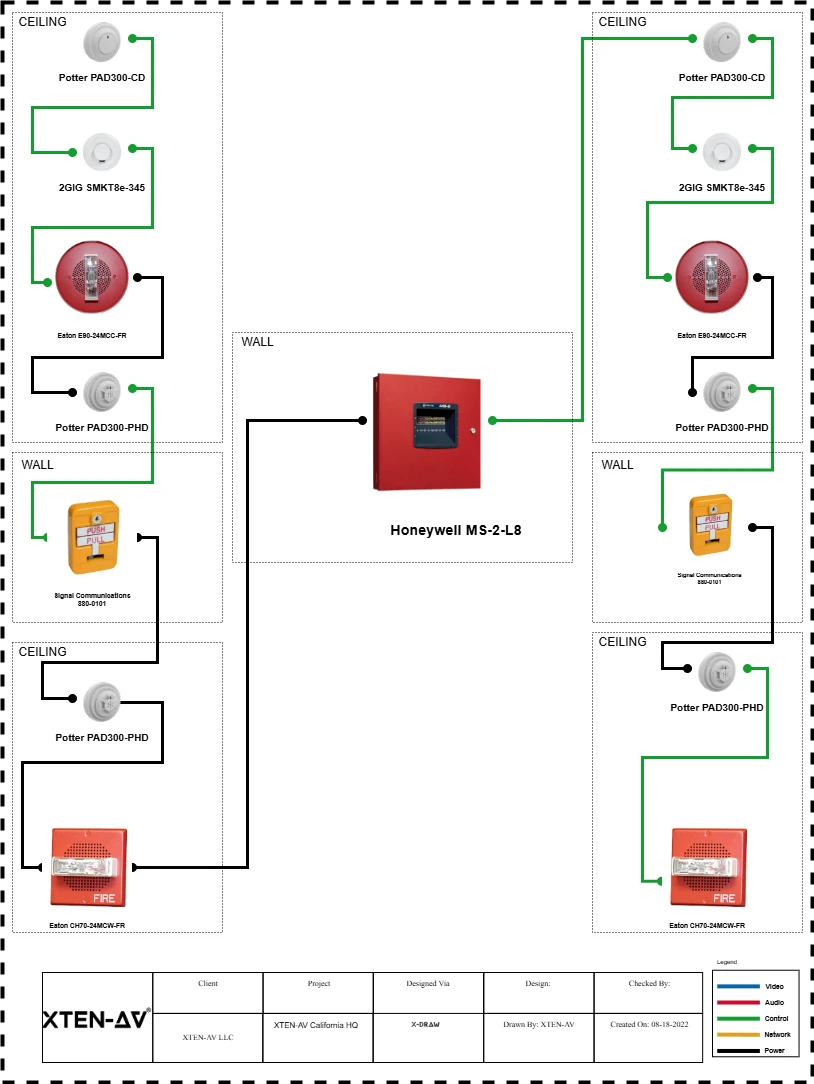
Integrating fire alarm systems with a Building Management System or BMS is an advanced approach to improving safety and operational efficiency in commercial buildings, industrial facilities, and large residential complexes. A BMS centralizes the control and monitoring of various building systems including HVAC, lighting, security, and fire safety. By integrating fire alarm systems with BMS, facility managers can monitor fire events in real time, automate emergency responses, and ensure compliance with safety regulations. In this blog, we explore the process, benefits, challenges, and best practices for integrating fire alarm systems with BMS.
Understanding Fire Alarm Systems and BMS
Fire alarm systems are designed to detect fire, smoke, or other emergency conditions and alert occupants through sirens, strobes, and notifications. These systems include detectors, control panels, notification devices, and sometimes suppression systems. A Building Management System on the other hand is a centralized platform that monitors and controls building infrastructure. Integrating the two allows real time communication between fire alarms and other building systems, enabling automated actions like turning off HVAC systems, unlocking emergency exits, and sending alerts to security and maintenance teams.
Benefits of Integration
The integration of fire alarm systems with BMS offers several important advantages. First, it improves situational awareness by providing a centralized interface for monitoring fire events across a building. Facility managers can view alarms, system status, and sensor data from multiple floors or zones in one platform. Second, it enables automated responses. For example, when a fire is detected, the BMS can automatically shut down ventilation systems to prevent smoke spread, activate sprinkler systems, and control elevators. Third, integrated systems support compliance with safety regulations and facilitate easier reporting and documentation. Overall, integration enhances building safety, operational efficiency, and emergency preparedness.
Planning the Integration
Successful integration requires careful planning. Begin by assessing the existing fire alarm system and BMS capabilities. Identify the types of devices and protocols each system uses and check for compatibility. Common communication protocols include BACnet, Modbus, or proprietary interfaces supported by both systems. Determine the zones or areas to be integrated and specify the responses required for different alarm types. Planning should also include network design, data flow, and priority settings to ensure critical alarms are communicated without delay.
Installation and Configuration
- Connect Systems: Establish communication between the fire alarm panels and BMS controller using supported protocols. Ensure the network is secure and devices have proper addressing.
- Map Zones and Devices: Configure the BMS to recognize fire alarm zones, sensors, and devices. This ensures that each alarm corresponds to the correct location in the building.
- Define Automated Actions: Set up automated responses such as HVAC shutdown, elevator recall, door unlocking, or emergency lighting activation. These actions should comply with safety standards and building codes.
- Alert Configuration: Ensure that the BMS sends notifications to security personnel, maintenance teams, and emergency responders when a fire event occurs. Configure notifications for email, SMS, or mobile app alerts.
- Testing: Conduct comprehensive tests of the integrated system under different scenarios to confirm that alarms trigger the intended responses and that notifications reach the right personnel.
Challenges in Integration
Integrating fire alarm systems with BMS can present challenges. Compatibility issues may arise if systems use different protocols or older devices. Network reliability is crucial, as communication failures can delay alarm notifications. Proper prioritization of alarms is necessary to avoid false alerts or unnecessary system activations. Additionally, integration requires skilled personnel with knowledge of both fire alarm systems and BMS platforms. Addressing these challenges during planning and testing is essential for a reliable and effective integration.
Cybersecurity Considerations
Modern BMS systems are often connected to networks, which makes cybersecurity an important concern. Ensure that communication between fire alarms and BMS is secure through encryption, strong authentication, and network segmentation. Restrict remote access to authorized personnel and regularly update firmware and software to patch vulnerabilities. A secure network protects the integrated system from unauthorized access or tampering.
Monitoring and Maintenance
Ongoing monitoring and maintenance are critical to the long term reliability of an integrated system. Regularly review alarms, logs, and system performance to detect any anomalies. Schedule periodic inspections of fire alarm devices, sensors, and BMS interfaces. Update configuration settings when changes are made to the building layout or occupancy. Proper monitoring ensures that both fire alarms and BMS functions operate correctly during an emergency.
Advanced Integration Features
Some advanced integrations offer predictive analytics and smart notifications. For example, data from fire sensors can be analyzed to detect unusual trends or potential fire hazards before they escalate. Integration with mobile applications allows real time monitoring and remote access to system status. Visualization tools in the BMS can display alarm locations on floor plans, helping responders navigate quickly during emergencies. Leveraging these advanced features enhances safety, response time, and operational efficiency.
Conclusion
Integrating fire alarm systems with a BMS significantly enhances building safety and operational control. It provides centralized monitoring, automated emergency responses, real time notifications, and improved compliance with safety regulations. Careful planning, proper installation, ongoing monitoring, and strong cybersecurity practices are essential for a successful integration. With the right approach, integrating fire alarm systems with BMS ensures that buildings are better prepared to handle emergencies, protect occupants, and minimize potential damage.