

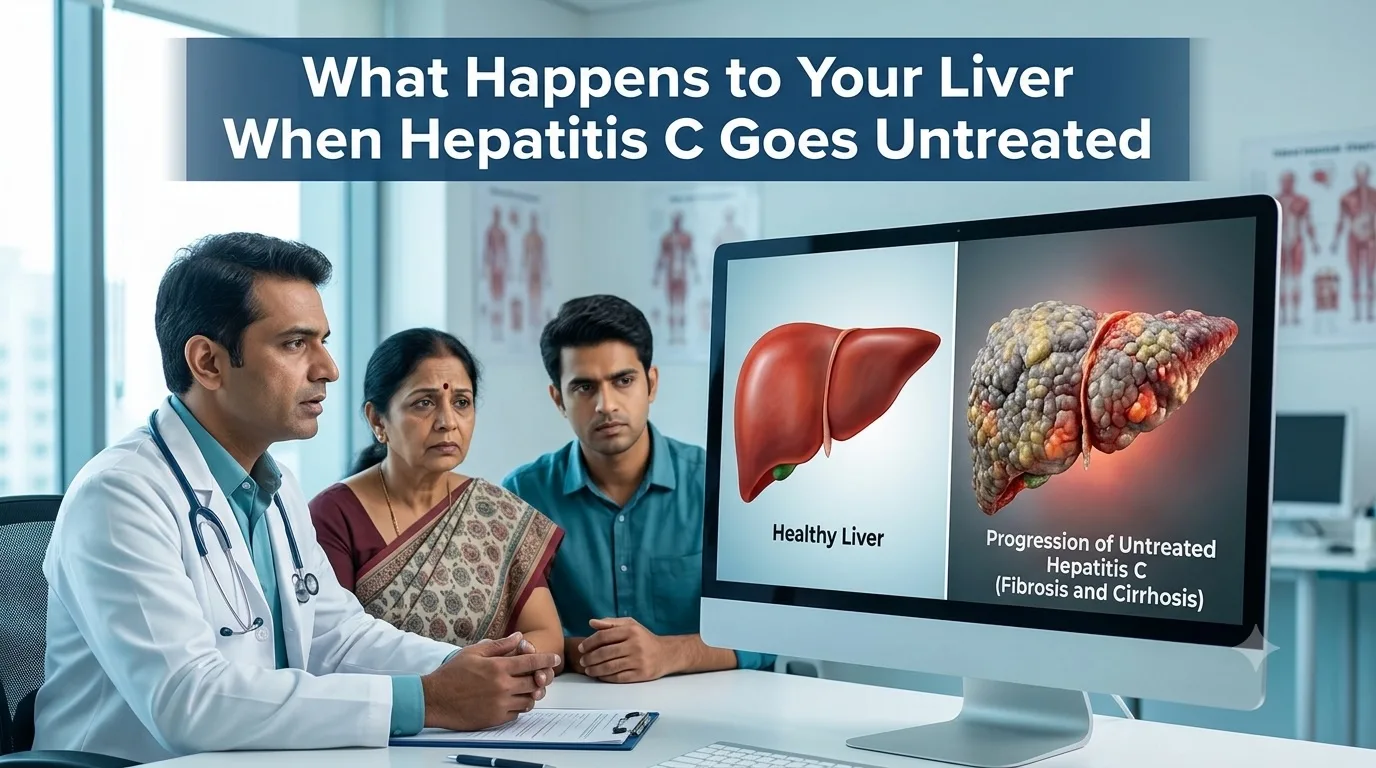
Millions of people are unknowingly infected with Hepatitis C, a virus that affects the liver. One of the major problems with Hepatitis C is that most people will not realise they have hepatitis C until they exhibit symptoms from a significant amount of liver damage. As a result, many people will endure years of liver damage (or fibrosis) before they exhibit any symptoms of the disease. Ultimately, many people will have either fibrosis or liver cirrhosis before they exhibit any symptoms.
Thus, having knowledge of how effective hepatitis C treatment is, as well as the options available to treat it, is not just useful but necessary for people infected with hepatitis C. In many instances, the difference between having an infection that can be treated and one that will probably lead to complications is the information that people have about hepatitis C.
Key Takeaways
- Hepatitis C spreads primarily through blood-to-blood contact, and many people carry it unknowingly for years.
- The infection can progress silently to liver fibrosis, cirrhosis, and liver cancer if left untreated.
- Modern antiviral treatments can cure the infection in most patients within 8 to 12 weeks.
- Early testing, accurate genotyping, and appropriate treatment selection are the keys to a successful outcome.
What Hepatitis C Is and How It Differs From Other Forms
Hepatitis C is a viral infection caused by the hepatitis C virus (HCV), which attacks and replicates within liver cells. Although hepatitis A usually resolves on its own and hepatitis B can be prevented with a vaccination, there is no hepatitis C vaccine available to stop the infection from occurring or taking hold.
Understanding the types of hepatitis is important because they have different ways to get transmitted, different periods of time it takes for the infections to develop, and different ways to treat them.
Hepatitis C is also unique in that it is now treatable and curable, representing a significant breakthrough in medicine with respect to improving healthcare for individuals infected with hepatitis C after being diagnosed.
How Hepatitis C Spreads
The virus is transmitted through direct blood-to-blood contact. The most common routes include:
- Sharing needles, syringes, or other medicine injection equipment.
- Receiving blood transfusions or organ transplants before widespread screening was introduced.
- Needlestick injuries in healthcare settings.
- Using unsterile tattooing or piercing equipment.
- Less commonly, through sexual contact, particularly when blood is present.
Mother-to-child transmission during childbirth is possible but less frequent. Unlike hepatitis B, casual contact, sharing food, or using the same toilet does not spread the virus.
Common Symptoms of Hepatitis C
Most people with acute hepatitis C infection have no symptoms at all. When symptoms do occur, they may include fatigue, mild abdominal discomfort, nausea, or a slight yellowing of the skin. These are easy to dismiss or attribute to other causes.
Chronic hepatitis C, which develops when the acute infection is not cleared by the immune system, can persist for decades. Over time, ongoing inflammation damages liver tissue and leads to fibrosis.
Advanced fibrosis becomes cirrhosis, which reduces the liver's ability to function and increases the risk of liver cancer and liver failure.
How Hepatitis C Is Diagnosed
Testing begins with a blood test to detect antibodies against the virus. A positive antibody test is followed by an RNA test to confirm active infection. Once confirmed, genotype testing identifies which of the six major strains of the virus is present, as this guides the choice of treatment.
Imaging tests and non-invasive assessments, such as FibroScan, are used to evaluate the extent of liver damage and help determine the urgency and duration of treatment.
Treatment Options Available Today
The arrival of direct-acting antivirals transformed hepatitis C from a difficult-to-treat, interferon-dependent illness into a condition that can be cured with oral tablets over a short course of treatment.
Ledipasvir and Sofosbuvir are one of the most widely used and studied combinations for treating hepatitis C genotype 1, which is the most globally prevalent strain. Ledipasvir works by inhibiting the NS5A protein that the virus needs for replication, while sofosbuvir blocks the NS5B polymerase enzyme responsible for copying viral RNA. Together, they attack the virus at two different stages of its lifecycle, making it very difficult for it to develop resistance.
Ledifos Tablet is a fixed-dose combination tablet containing ledipasvir 90mg and sofosbuvir 400mg, taken once daily for 8 to 12 weeks depending on the patient's prior treatment history, the presence of cirrhosis, and the treating doctor's clinical assessment. Cure rates with this regimen exceed 95% in most patient populations.
Managing Side Effects During Treatment
Direct-acting antivirals are generally well tolerated compared to older interferon-based regimens. Common side effects include:
- Fatigue and headache, particularly in the first week or two.
- Nausea or mild digestive discomfort.
- Anaemia in some patients, especially when ribavirin is included in the regimen.
Most side effects are mild and manageable. Patients should avoid antacids containing aluminium or magnesium within 4 hours of the dose, as they can reduce medicine absorption.
Emotional and Mental Health During Recovery
A diagnosis of hepatitis C carries social stigma that can affect mental health and willingness to disclose the condition to close contacts. Anxiety about liver damage, uncertainty about prognosis, and concerns about transmission within relationships are common.
Support groups, counselling, and open conversations with a treating gastroenterologist or hepatologist all contribute to better treatment adherence and emotional stability during the process.
Importance of Follow-Up Care
After completing treatment, a sustained virologic response test is performed 12 weeks after the last dose. An undetectable viral load at this point confirms a cure. However, patients with pre-existing liver fibrosis or cirrhosis still require ongoing monitoring for liver cancer, as cleared viral infection does not reverse advanced scarring that has already developed.
What Is Worth Remembering
Hepatitis C is one of the few serious infectious diseases that can be permanently cured. The obstacle is not the availability of treatment but the number of people who remain undiagnosed simply because the disease did not announce itself.
Anyone who has ever shared injection equipment, received a blood transfusion before comprehensive screening was in place, or had a high-risk needlestick exposure should speak to a doctor about testing. A single blood test can identify the infection, and a short course of oral medication can eliminate it.
Disclaimer: This article is for general informational purposes only and should not be considered medical advice. Always consult a qualified healthcare professional for diagnosis, treatment, and guidance specific to your condition.


