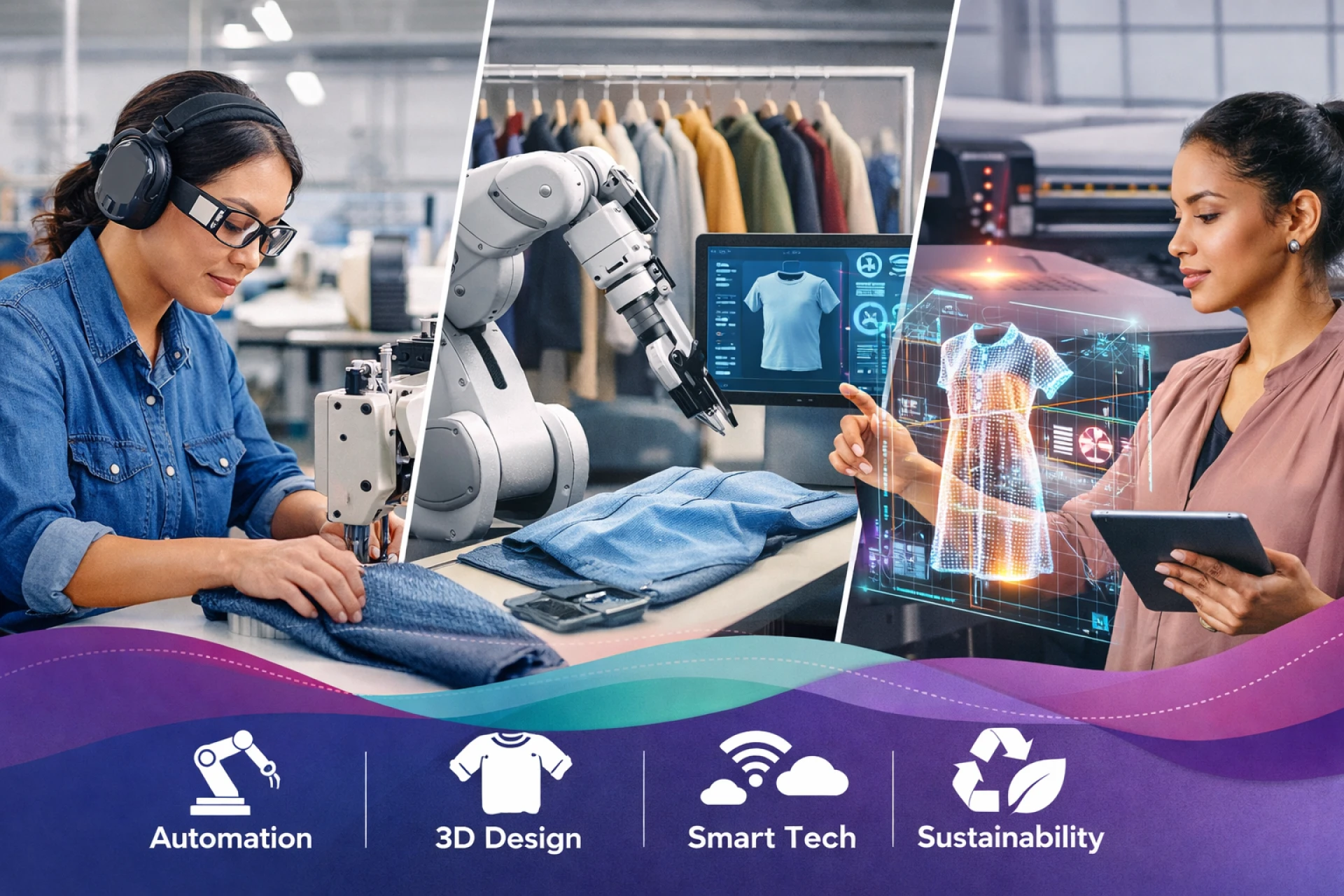
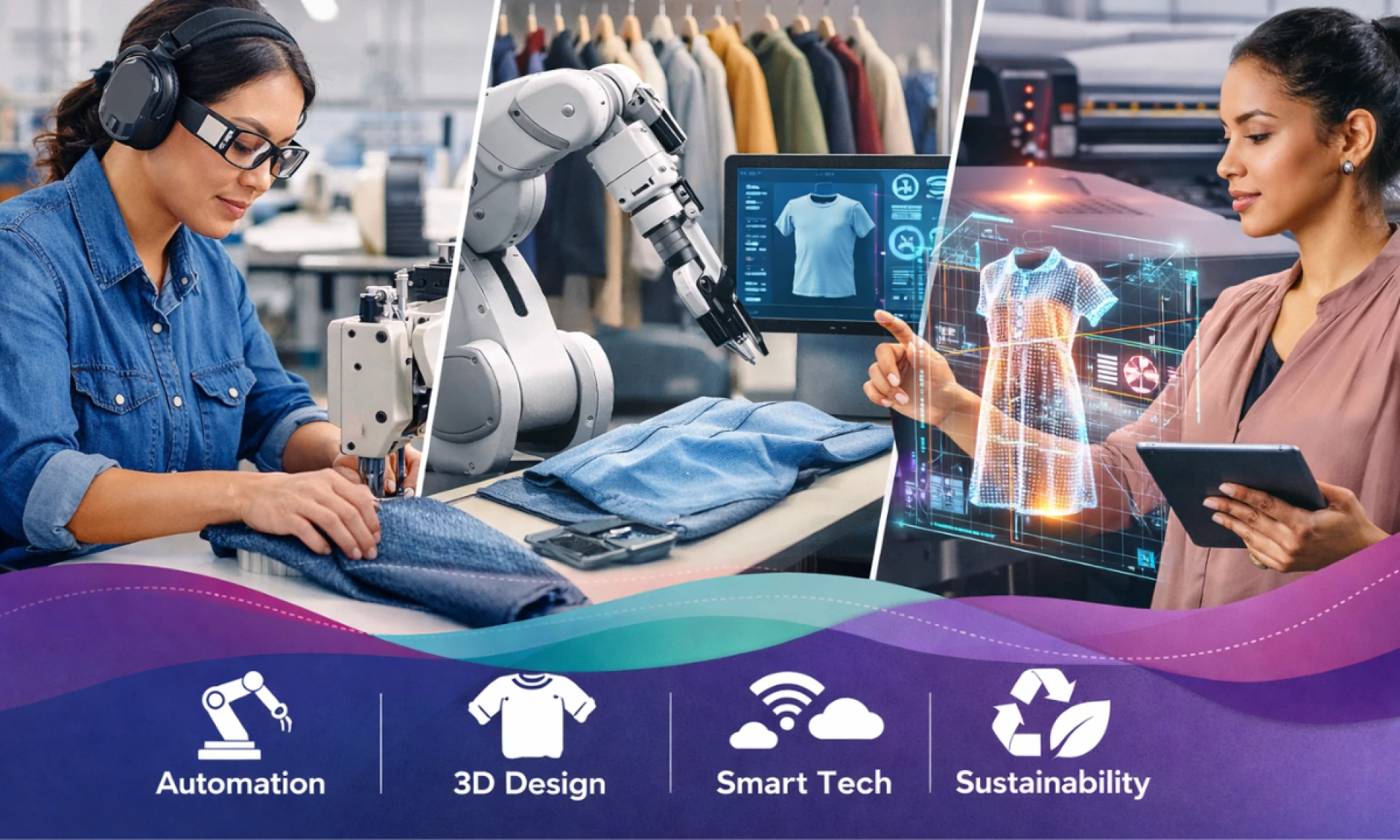
The apparel manufacturing industry is undergoing a major transformation. Changing consumer behavior, rising sustainability concerns, and rapid technological advancements are redefining how garments are designed, produced, and delivered. Over the next five years, apparel manufacturing will move away from rigid mass production models and shift toward customized, technology-driven, and sustainable systems.
At Balaji Aptex, we closely observe these changes while adapting our processes to meet future industry demands.
Shift from Mass Production to Custom Manufacturing
Traditional mass production often results in overstock, markdowns, and waste. In the coming years, brands will increasingly adopt made-to-order and small-batch production models. This approach minimizes inventory risk while offering better alignment with customer preferences.
Customization will no longer be a premium feature-it will become a standard expectation.
Technology Will Drive Efficiency
The next five years will see deeper integration of:
- CAD-based pattern making
- Digital sampling
- Automated cutting
- Production planning software
These tools will reduce lead times, improve accuracy, and lower operational costs. Manufacturers that fail to adopt technology risk falling behind.
Sustainability Will Become Non-Negotiable
Governments, consumers, and investors are pushing for sustainable manufacturing practices. Future apparel production will focus on:
- Waste reduction
- Responsible sourcing
- Energy-efficient processes
- Ethical labor practices
Sustainability will shift from marketing messaging to mandatory operational compliance.
Skilled Workforce Over Machines
While automation will increase, skilled human expertise will remain irreplaceable-especially in stitching, quality control, and customization. Training and upskilling workers will be a priority.
Conclusion
The future of apparel manufacturing lies in flexibility, transparency, and collaboration. Brands that partner with adaptable manufacturers will gain a competitive edge.
At Balaji Aptex, we are preparing for the next five years by investing in smart processes, skilled teams, and customer-centric manufacturing-ensuring our partners are future-ready.