
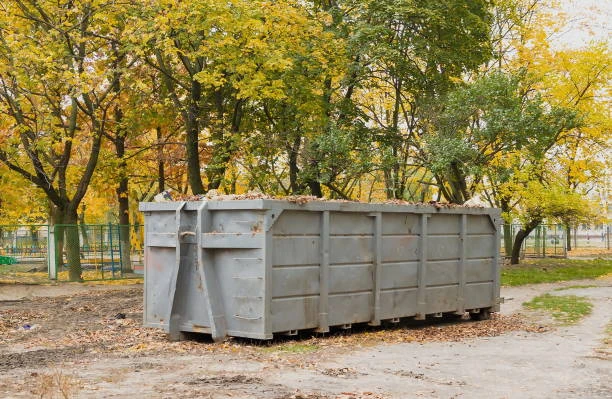
Renting a dumpster is a practical solution for handling waste during home renovations, cleanouts, or construction projects. But not everything can go into a dumpster. Understanding what items are allowed and which are restricted is crucial to avoid fines, extra fees, or environmental harm. In this guide, we’ll explore what type of items you can dump into a dumpster rental and how to dispose of restricted materials responsibly.
Understanding Dumpster Rental Guidelines Dumpster rental companies often follow local, state, and federal regulations regarding waste disposal. These guidelines help ensure that waste is managed in an eco-friendly and lawful manner. Before you begin filling your dumpster, it's essential to know the general categories of permitted and prohibited items.
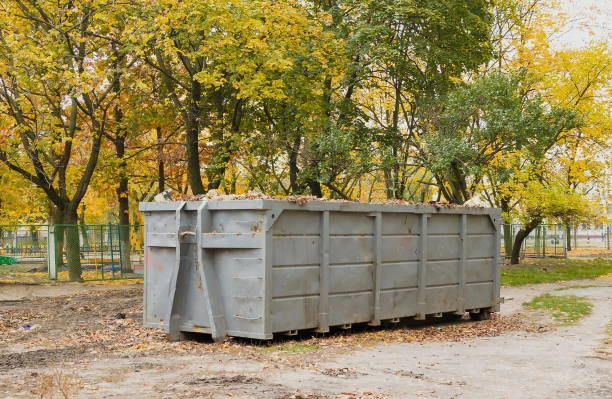
Accepted Items in a Dumpster Rental
General Household Junk Most standard junk generated from residential or commercial cleanouts is allowed, including
- Furniture (couches, chairs, tables)
- Toys and old decor
- Non-recyclable plastics
- Cardboard boxes
- Clothing and textiles
Appliances Without Hazardous Components Some household appliances are permitted as long as they don’t contain hazardous refrigerants
- Washers and dryers
- Microwaves
- Ovens and stovetops
- Dishwashers
Note: Refrigerators and air conditioning units may require special disposal due to Freon.
Construction and Demolition Debris Dumpster rentals are commonly used during renovations and home improvement projects. These materials are generally allowed:
- Drywall and plaster
- Wood and lumber
- Plywood and paneling
- Flooring (tiles, carpet, hardwood)
- Fixtures (cabinets, sinks, tubs)
Yard Waste Many dumpster rental providers accept organic waste, such as
- Tree branches and stumps
- Grass clippings
- Bushes and shrubs
- Leaves and garden debris
Note: Some cities require separate dumpsters for yard waste recycling.
Roofing Materials Roofing projects can generate a significant amount of debris, which can go into most standard dumpsters
- Asphalt shingles
- Underlayment
- Metal flashing
- Nails and wood scraps
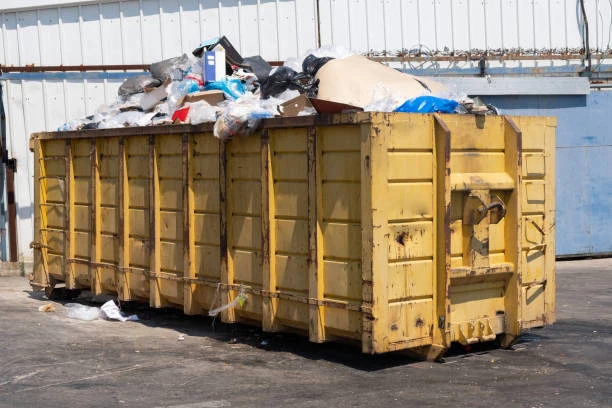
Small Amounts of Inert Materials Some heavy materials are allowed in limited quantities
- Bricks
- Concrete
- Dirt
- Gravel
Tip: Use a lowboy dumpster for heavy debris to avoid exceeding weight limits.
Items You Cannot Put in a Dumpster Rental
Hazardous Waste Federal and local regulations prohibit hazardous materials in dumpsters due to their environmental impact. These include:
- Paints, solvents, and stains
- Automotive fluids (motor oil, transmission fluid)
- Cleaning chemicals
- Herbicides and pesticides
- Flammable liquids
Electronics and E-Waste (in some areas) Depending on local laws, electronic waste may not be permitted
- Televisions
- Computer monitors
- Laptops and desktops
- Printers and fax machines
Check if your area requires e-waste recycling or drop-off at a designated facility.
Large Batteries Due to their chemical components, batteries must be recycled properly:
- Car batteries (lead-acid)
- Rechargeable lithium-ion batteries
Tires Tires are not accepted in most landfills or dumpsters
- Car or truck tires
- Bicycle tires
Tip: Contact local auto shops or tire recycling centers for proper disposal.
Medical Waste For safety reasons, medical or biohazardous waste is not allowed
- Syringes and sharps
- Prescription medications
- Blood-soaked materials
Mattresses and Box Springs While some providers accept mattresses, many charge extra or restrict them altogether. This depends on
- Local landfill rules
- Type of material
Why It’s Important to Follow These Guidelines
Avoid Penalties and Extra Charges Dumpster rental agreements often include fines for disposing of restricted items. By following the rules, you avoid
- Additional disposal fees
- Delayed or refused pickup
- Environmental fines from the city or county
Environmental Protection Proper waste segregation protects ecosystems and public health. Dumping hazardous waste into landfills can contaminate soil and water sources. Recycling and disposing of items properly ensures a smaller environmental footprint.
Efficient Waste Management Sorting items before disposal makes loading easier and allows for efficient recycling. It also ensures maximum usage of dumpster space, preventing overage fees.
How to Ensure Compliance Before Dumping
Check With Your Dumpster Rental Provider
- Ask for a list of accepted and prohibited materials.
- Inquire about extra charges for special items.
- Confirm whether you need separate dumpsters for yard or construction waste.
Read Local Regulations
- Visit your city or county waste management website.
- Look for rules around e-waste, hazardous materials, and recycling mandates.
Separate and Organize Waste
- Keep recyclables, trash, and hazardous items in different areas.
- Load heavier items at the bottom to improve safety and weight distribution.
Final Thoughts
Dumpster rentals offer a convenient, flexible solution for managing waste during various projects. However, understanding what type of items you can dump into a dumpster rental is essential for staying compliant, protecting the environment, and keeping your project on budget. Always confirm accepted materials with your rental provider and follow local regulations for a hassle-free cleanup experience.
FAQs
Can I put a mattress in my dumpster rental?
Some companies accept mattresses, while others restrict them or charge a fee. Always ask your provider before disposing of mattresses.
Can I dump electronics like TVs or computers?
Electronics are often restricted due to e-waste regulations. Check with your local authority or dumpster company for approved disposal options.
What happens if I put restricted items in the dumpster?
You may face additional fees, removal costs, or penalties. Your dumpster may also be refused for pickup.
Is it okay to mix yard waste with household junk?
In some regions, yard waste must be separated for composting. Ask your provider if mixed disposal is allowed.
Can I dispose of old paint in a dumpster?
Only completely dried-out paint cans are allowed. Wet paint and solvents are considered hazardous waste.
Do I need a special dumpster for concrete or heavy debris?
Yes, heavy materials like concrete and brick require special lowboy dumpsters to handle the weight safely.