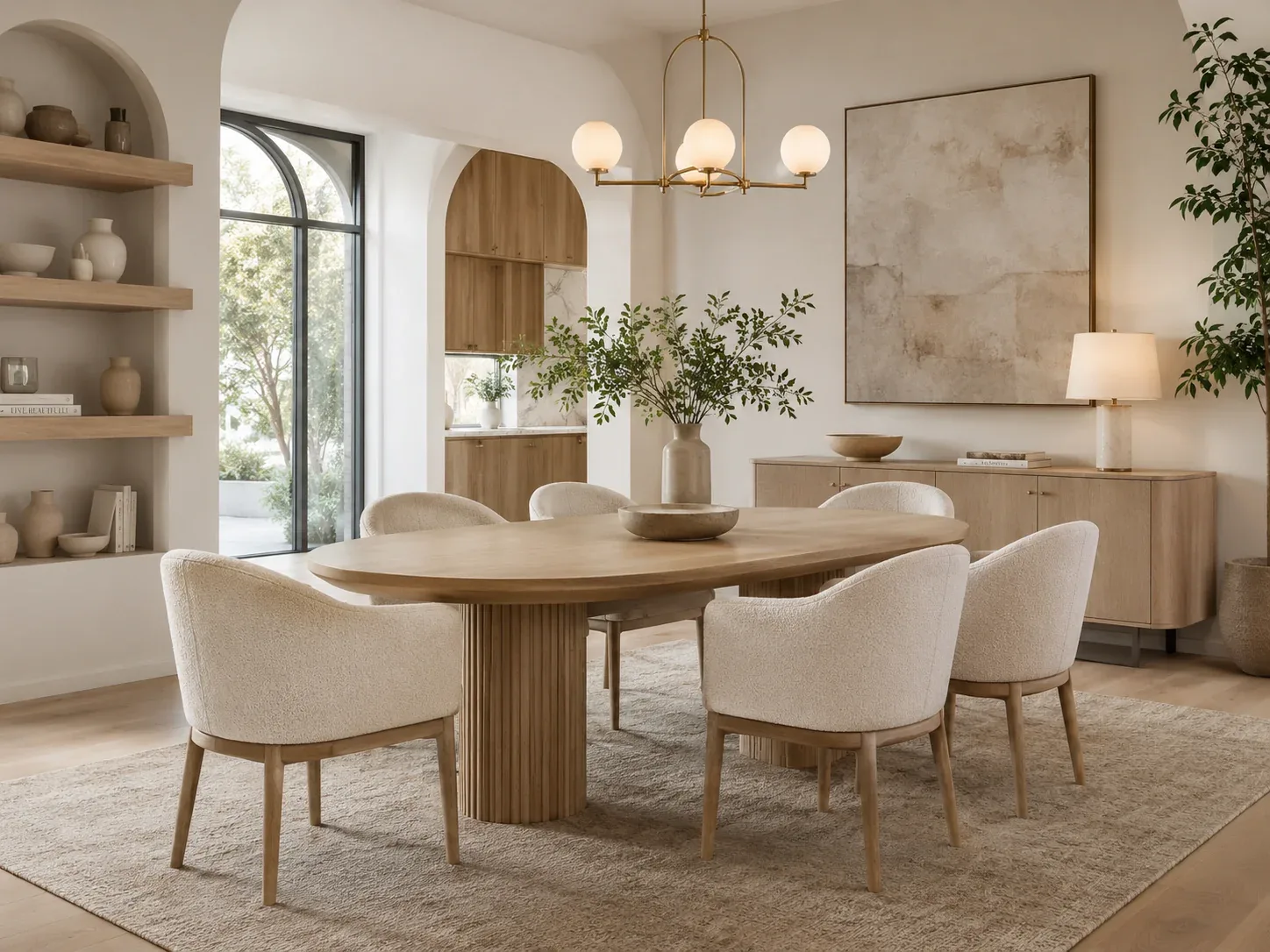
Buying Italian furniture is often a long-term investment in the character and functionality of a home. However, with many retailers, online marketplaces and furniture collections available in Switzerland, it can be difficult to understand what distinguishes genuinely authentic Italian furniture from products that simply use Italian-inspired styling.
Authenticity is not only about where a product looks as though it was designed. It also involves the manufacturer, materials, construction, finishing details, documentation and the retailer supplying the furniture. For Swiss homeowners looking for Italian designer furniture, understanding these factors can make the buying process more informed and help ensure that the selected pieces match their expectations.
Check the Manufacturer and Brand Credentials
The first step is to identify who actually manufactures the furniture. Established Italian furniture brands generally have a clear identity, documented product collections and information about their manufacturing and design approach.
When researching a particular product, look beyond phrases such as "Italian style" or "Italian design." These descriptions do not necessarily mean that the furniture is manufactured by an Italian designer brand.
A genuine brand should be identifiable through its official product information, catalogue, authorised retailers and established design collections. This is particularly important when purchasing high-value furniture, where the name of the manufacturer can be an important part of the product's provenance.
For example, Cattelan Italia has a recognised collection of contemporary furniture covering categories such as dining tables, chairs, sofas, storage and accessories. Buyers interested in the brand can compare individual products with the manufacturer's published collection information.
For broader context, Where to Buy Cattelan Italia Furniture in Switzerland? provides useful guidance for homeowners researching where to purchase the brand.
Examine Materials and Construction
Materials provide another useful way to evaluate furniture quality.
Italian furniture can incorporate materials such as natural wood, marble, glass, leather, ceramics and metal. However, simply seeing an expensive-looking material does not automatically establish authenticity or quality. Buyers should consider how the material is used, how the furniture is constructed and what finishing details are provided.
Look closely at joints, edges, stitching, surface finishes and hardware. On upholstered furniture, examine the quality of the seams and the consistency of the upholstery. On tables and cabinets, consider how surfaces meet and whether the construction appears carefully resolved.
Material specifications should also be clear. If a product is described as using marble, for example, the retailer should be able to explain the material, finish and relevant care requirements.
This is one reason understanding How Material Selection Defines a Luxury Interior can be useful before making a significant furniture purchase.
Ask About Authorised Retailers and Product Documentation
Where you purchase Italian furniture matters.
An established showroom or authorised retailer should be able to provide clear information about the manufacturer, product specifications, available finishes, ordering process and delivery arrangements. Depending on the brand and product, documentation may also include product information, care instructions and warranty details.
Buyers should be cautious when product descriptions are unusually vague or when a seller cannot clearly explain the origin of a particular piece.
For high-value furniture, ask practical questions before placing an order:
- Who manufactures the product?
- Where is the product made?
- Which finishes and materials are available?
- Is the retailer authorised to supply the brand?
- What warranty or after-sales support is provided?
- What are the expected delivery arrangements?
- How should the furniture be maintained?
These questions do not need to make the buying experience complicated. They simply help establish a clearer understanding of what is being purchased.
Understand the Difference Between Italian Design and Italian Manufacturing
One of the most important distinctions is between furniture that is designed in Italy and furniture that is actually manufactured in Italy.
Some international furniture companies may employ Italian designers or use Italian design influences while manufacturing products elsewhere. There is nothing inherently wrong with that, but buyers should understand the distinction.
If your priority is authentic Italian-made furniture, look for specific information about manufacturing origin rather than relying solely on a product's aesthetic.
This is particularly relevant when searching online for terms such as Italian furniture Switzerland or Italian designer furniture Switzerland. Search results can include everything from established Italian manufacturers to products that simply draw inspiration from Italian design.
A transparent retailer should make this distinction easier to understand.
Consider the Furniture as Part of a Complete Interior
Authenticity is only one part of choosing the right furniture. The selected pieces also need to work within the architecture and lifestyle of the home.
Consider the dimensions, proportions, upholstery, colour and materials in relation to the existing interior. A dining table may be authentic Italian furniture, but its scale still needs to suit the dining area. Likewise, an Italian sofa should provide the appropriate level of comfort while complementing the surrounding furniture.
This is where specialist showrooms can provide useful guidance. Seeing materials and finishes in person can make it easier to compare options than relying solely on online photographs.
Wohnteam Collection in Luzern focuses on contemporary Italian furniture and luxury interiors, including its Cattelan Italia offering. Its showroom environment allows homeowners to explore furniture selections in the context of a broader interior concept.
You can also explore How Wohnteam Collection Brings Italian Design Excellence to Swiss Homes for more information about the relationship between Italian furniture and contemporary Swiss interiors.
Be Careful With Price as the Only Indicator
Price can provide context, but it should not be treated as proof of authenticity.
A very low price for a supposedly exclusive designer product may warrant additional questions, but a high price alone does not guarantee that a piece is genuine or well made.
Instead, consider the complete picture: manufacturer, documentation, materials, construction, retailer credentials, warranty and after-sales service.
This approach is particularly important when buying furniture that is expected to remain part of your home for many years.
Conclusion
Buying authentic Italian furniture in Switzerland requires more than recognising an attractive Italian-inspired design. Understanding the manufacturer, checking product information, examining materials and construction, and purchasing through a credible retail channel can help buyers make more informed decisions.
Key points to remember:
- Verify the actual furniture manufacturer.
- Distinguish Italian-made furniture from Italian-inspired design.
- Check materials, finishes and construction details.
- Ask about retailer authorisation and product documentation.
- Consider warranty and after-sales support.
- View important furniture pieces in person where possible.
- Choose designs that work with your home's architecture and everyday needs.
For homeowners looking for luxury furniture Switzerland, authenticity and practicality should be considered together. A well-selected Italian furniture piece should not only have a recognised design heritage but also suit the proportions, materials and lifestyle of the home.
Wohnteam Collection in Luzern offers a specialist setting for exploring contemporary Italian furniture, including Cattelan Italia, and for considering how individual pieces can work together within a modern Swiss interior.