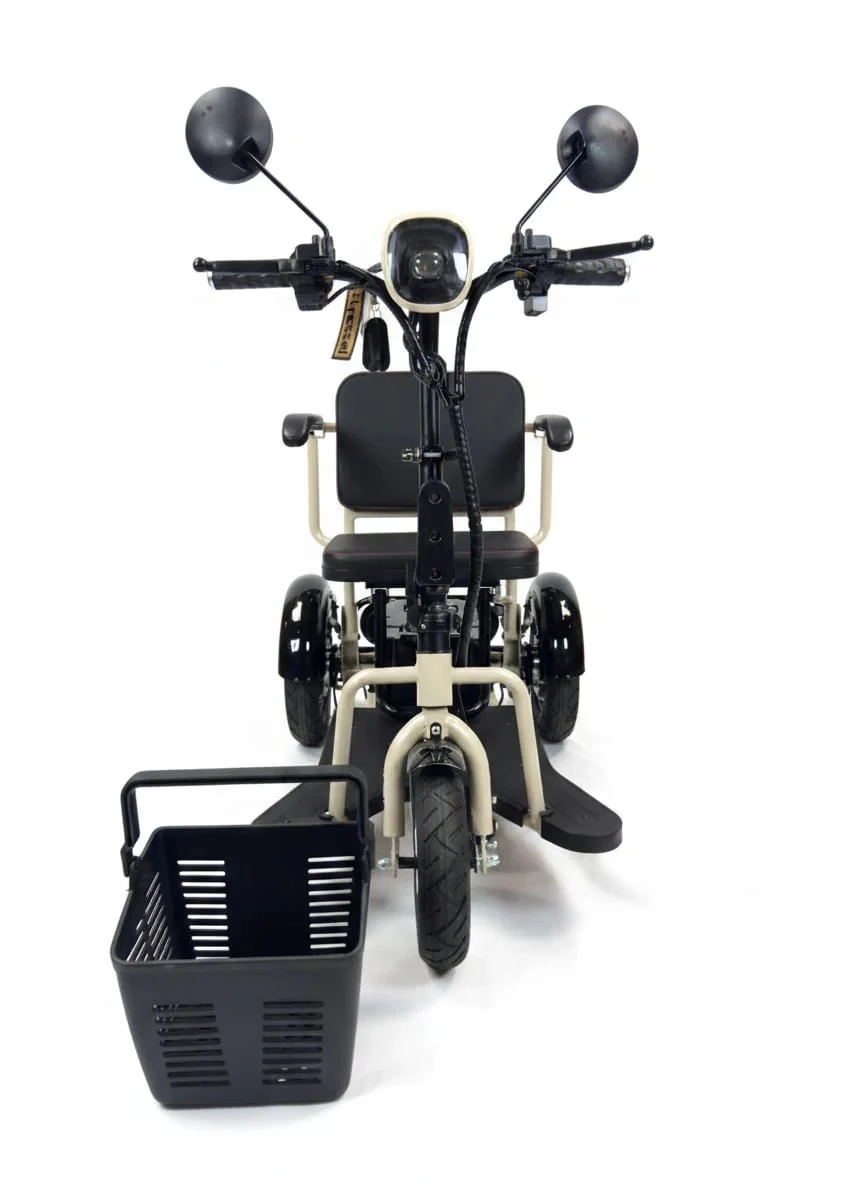
Mobility choices often begin with a simple need. Getting around feels slightly harder than before. Short trips take more effort. Carrying something while moving becomes inconvenient. For many adults, a portable electric scooter enters the picture as a way to reduce strain without changing daily routines too much.
In this blog, you will learn which features actually matter in everyday use, how portability affects long-term comfort, and what helps a scooter feel like a practical tool rather than a temporary fix.
Portability That Matches Real Life
Portability means more than weight alone. It includes how easily a scooter fits into your day.
Folding mechanisms matter. A scooter that folds smoothly saves time and effort, especially in shared spaces. Size after folding matters just as much. Storage areas often feel tighter than expected. Hallways, closets, car trunks, and corners of a room shape how often the scooter gets used.
Carrying the scooter also plays a role. Handles, balance while lifting, and overall shape affect comfort. A truly portable electric scooter supports movement without creating new physical effort before or after the ride.
Stability and Ride Confidence
Stability shapes how relaxed you feel during each ride. Adults tend to value predictability over agility.
Wheel size and base width influence balance. Smaller wheels react more sharply to uneven ground. Wider bases feel calmer during slow turns and stops. Riding confidence grows when the scooter responds steadily, especially at low speeds.
Confidence matters because it affects frequency. A scooter that feels stable encourages regular use. One who feels nervous often stays parked.
Comfort Over Repeated Use
Comfort rarely reveals itself in the first few minutes. It becomes noticeable after days of repeated trips.
Standing position, deck space, and posture all affect how the body feels afterward. A stable stance reduces tension in the legs and lower back. Handlebar height influences shoulder comfort. Subtle vibration adds up over time, even on short rides.
Adults often use scooters for practical reasons. Comfort supports consistency. Discomfort discourages it.
Ease of Use Without Extra Thought
A scooter should feel easy to operate without mental effort. Complicated controls interrupt the experience.
Simple throttles, predictable braking, and clear indicators help rides feel natural. When the operation feels intuitive, attention stays on the surroundings rather than the mechanics. That ease reduces hesitation, especially in busy or unfamiliar areas.
A well-designed portable electric scooter allows movement to feel smooth instead of being distracting.
Battery Range That Reflects Daily Needs
Range matters, but context matters more. Many daily trips stay close to home.
Short errands, local visits, and routine movement define most usage. A battery that comfortably supports these patterns works better than one designed for rare long-distance rides.
Charging convenience matters too. Easy access to charging encourages regular use without stress. Reliability builds trust. That trust shapes habits.
Storage and Living Space Compatibility
Where the scooter rests between rides influences satisfaction. Storage friction often goes unnoticed until after purchase.
Compact designs reduce disruption. Folded scooters that fit naturally into living spaces support daily use. When storing feels simple, riding becomes part of the routine rather than an added task. Living space shapes behavior more than expected.
Safety Features That Feel Natural
Safety supports confidence best when it blends into the experience.
Responsive brakes, steady lighting, and visible indicators help rides feel controlled. These features allow awareness without overwhelming the rider. Confidence grows when safety feels present but not restrictive. A scooter that feels dependable invites regular movement.
Conclusion
Choosing a portable electric scooter involves more than comparing features. It requires attention to daily habits, living spaces, and physical comfort. As designs continue improving, scooters are becoming better aligned with adult routines rather than occasional use.
The right choice supports movement quietly, without drawing attention to itself. When portability, comfort, and stability work together, a scooter becomes part of everyday life, offering support that feels consistent, familiar, and easy to rely on.