Coloring your facial hair at home can be a quick and cost-effective way to refresh your look, hide grays, or experiment with a new style. Whether you're aiming to add subtle depth to your beard or make a bold change, understanding the basics beforehand can make the difference between a sleek transformation and a patchy mess. From choosing the right dye to maintaining your color, there's a lot to consider.
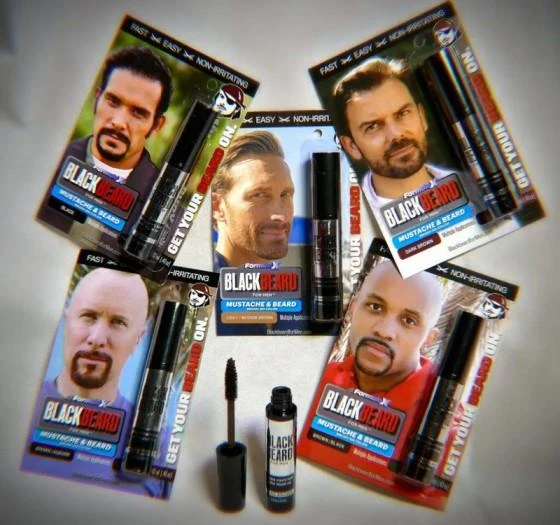
It's not just about picking the right shade—it's about paying attention to skin sensitivity, prepping your face correctly, and knowing how to apply the dye so it looks natural. Many opt for a beard dying kit that includes everything needed to reduce errors and simplify the process, especially for first-timers. But before you dive in, let’s cover the essentials to ensure you're making informed decisions.
Key Points
- Understand the different types of beard dyes: permanent, semi-permanent, and temporary.
- Patch testing is crucial to avoid allergic reactions.
- Prepping your facial hair improves dye absorption and longevity.
- Choosing the right shade and formula can make a significant difference in the final result.
- Proper aftercare helps maintain color and beard health.
Understanding Beard Dye Types
Permanent Dyes
Permanent beard dyes are ideal for those looking for long-term results. These dyes use ammonia or peroxide to open the hair shaft and deposit color deep within. They typically last for several weeks but may cause more skin sensitivity due to stronger chemicals. It's best for those committed to a specific look or needing significant gray coverage.
Semi-Permanent Dyes
Semi-permanent options offer a middle ground. They deposit color on the outside of the hair shaft and gradually fade over time, usually within 1 to 3 weeks, depending on your washing habits and hair type. These are great for trying out a new color or covering a few grays without a long-term commitment.
Temporary Dyes
Temporary dyes sit on top of the hair and generally wash out after a single shampoo. They’re perfect for events or quick touch-ups but can smudge easily and may not blend as naturally. These are often found in brush-on forms or tinted gels.
Choosing the Right Color
Picking the correct color is one of the most crucial steps. A shade too dark can look unnatural, while one too light may not provide sufficient coverage. Here are some tips:
- Match your beard color to your natural hair color or go one shade lighter for a softer look.
- If you have a lot of gray, opt for a neutral or ash tone to balance out warmth.
- Test colors using temporary dye or a patch on your jawline before committing.
Patch Testing: Why It’s Non-Negotiable
Even if you’ve used hair dye before, always perform a patch test 24 to 48 hours before application. This helps identify any allergic reactions to ingredients like p-phenylenediamine (PPD), a common dye chemical. Apply a small amount behind your ear or on the inside of your elbow and monitor for redness, itching, or swelling.
Prepping Your Beard and Skin
Preparation is key to a successful at-home dye job. Here’s what you should do:
- Clean your beard: Use a mild cleanser to remove oil and debris. Avoid conditioner, which can coat hairs and inhibit dye absorption.
- Dry thoroughly: Damp hair dilutes dye and results in uneven coloring.
- Apply a barrier: Use petroleum jelly or a thick lotion around your beard line to prevent skin staining.
Application Techniques
How you apply the dye affects the final look. Always follow the instructions provided, but consider these universal practices:
- Use gloves: Protect your hands from staining and potential irritation.
- Mix carefully: Combine only the amount you’ll use immediately. Most beard dyes are not reusable once mixed.
- Use the right tools: A small brush or applicator ensures better control and coverage, especially for detailed areas like mustaches or goatees.
- Mind the clock: Don’t leave the dye on longer than recommended. Over-processing can lead to dryness or an overly dark color.
Aftercare and Maintenance
Once you’ve colored your beard, maintaining it will keep the color vibrant and your hair healthy. Here’s how:
- Use color-safe beard products: Choose cleansers and conditioners free of sulfates and harsh detergents.
- Moisturize daily: Use beard oil or balm to keep hair soft and skin hydrated, reducing flakiness and irritation.
- Limit washing: Over-washing fades color. Aim for 2–3 times a week unless your lifestyle demands more.
- Touch up as needed: Depending on your hair growth and dye type, plan for touch-ups every 2–4 weeks.
Common Mistakes to Avoid
Even seasoned dyers can misstep. Here are some of the most common mistakes and how to avoid them:
- Skipping the patch test: Always test for allergies to prevent reactions.
- Choosing the wrong shade: Match the tone to your natural hair or beard for consistency.
- Over-applying dye: Excess product can lead to blotchiness and waste.
- Ignoring instructions: Each product is different. Read and follow guidelines carefully.
- Neglecting aftercare: Beard hair needs just as much care as scalp hair post-coloring.
Natural vs. Chemical Dyes
Chemical Dyes
Chemical dyes offer longer-lasting results and a broader range of shades. However, they may include ingredients like ammonia or PPD that can irritate sensitive skin. Always check the ingredients and consult your dermatologist if you have concerns.
Natural Alternatives
Natural dyes like henna and indigo are gentler on the skin and often preferred by those with sensitivities. However, they tend to produce fewer color variations and may not last as long. It’s essential to know what you’re trading off in terms of performance versus gentleness.
When to Seek Professional Help
While DIY can be convenient, there are times when seeing a professional might be the better route:
- If you have highly sensitive skin or a history of reactions to hair products.
- When attempting a significant color change (e.g., from black to blonde).
- If precision and symmetry are essential, such as for sculpted beards or intricate styles.
Frequently Asked Questions
Can I use regular hair dye on my beard?
Technically yes, but it's not recommended. Beard hair is coarser and grows differently than scalp hair. Beard dyes are formulated to better penetrate and adhere to facial hair while minimizing irritation to facial skin.
How long does beard dye last?
It depends on the type. Permanent dyes can last 4–6 weeks, semi-permanent about 1–3 weeks, and temporary dyes wash out after one shampoo.
Is it safe to dye my beard frequently?
Frequent dyeing can dry out or damage your facial hair, especially with permanent dyes. To prevent this, ensure you're moisturizing regularly and using gentle, color-safe products.
What if I don't like the result?
If the color is too dark, you can try washing it a few times with a clarifying shampoo. For significant color corrections, it may be best to consult a professional.
Can I dye my beard if I have sensitive skin?
Yes, but proceed with caution. Always do a patch test and consider using natural or hypoallergenic products. Consult a dermatologist if unsure.
Will beard dye stain my skin?
It can, especially if applied carelessly. Using a barrier cream around the beard line and wiping off excess dye quickly can reduce the risk.
How long should I wait between dye applications?
For permanent dyes, wait at least 2 to 4 weeks to avoid overprocessing your hair and irritating your skin. Semi-permanent and temporary dyes can often be reapplied sooner.
Does dyed facial hair require special care?
Absolutely. Use beard-specific products that are free of harsh chemicals, moisturize regularly, and limit exposure to sun or chlorinated water, which can fade the color.