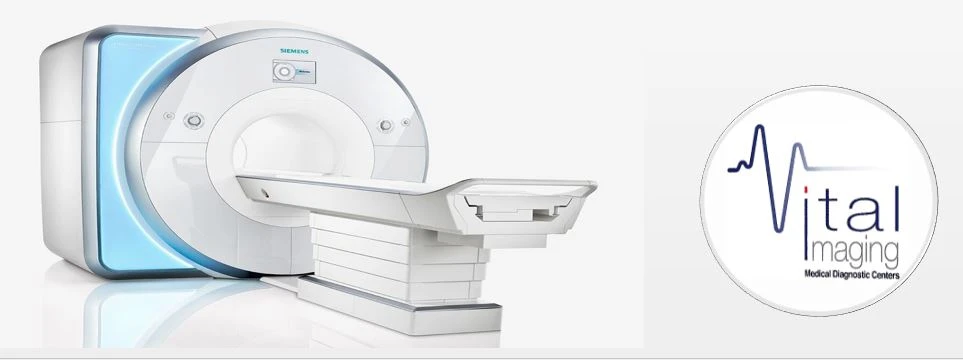
Getting a full body scan can feel like a smart move when you want clear answers about your health. Many people in Miami are looking for faster ways to check what’s going on inside their bodies without waiting for symptoms to get worse. These scans can help detect problems early, but they also come with questions about safety, cost, and whether they are really necessary.
Across MRI Centers In Miami, more patients are choosing preventive imaging to stay ahead of potential health issues. This trend is growing because people want peace of mind and better control over their health decisions. Still, booking a scan without understanding the details can lead to confusion, unexpected costs, or unnecessary worry.
This guide breaks down what matters most before you schedule a full body scan, so you can make a clear and informed choice.
Understanding What a Full Body Scan Includes
A full body scan is not a one-size-fits-all service. The exact type of scan and what it covers can vary depending on the center and your health goals.
Types of Scans You May Be Offered
Not all scans use the same technology. Each type serves a different purpose:
- MRI (Magnetic Resonance Imaging): Uses magnets and radio waves, not radiation
- CT scans: Use X-rays to create detailed images
- Ultrasound: Uses sound waves for specific areas like organs
MRI is often preferred for full body scans because it avoids radiation exposure and provides detailed images of soft tissues.
What Areas of the Body Are Checked
A full body scan usually covers multiple major regions, such as:
- Brain
- Spine
- Chest
- Abdomen
- Pelvis
Some providers may allow you to customize the scan based on your concerns. Others offer fixed packages.
Why People Choose Full Body Scans
The main reason people book these scans is simple: they want answers before symptoms appear.
Early Detection of Health Issues
Full body scans can help identify:
- Tumors or abnormal growths
- Organ problems
- Spine issues
- Hidden injuries
Finding these early may improve treatment outcomes, especially for serious conditions.
Peace of Mind for Patients
Even when nothing serious is found, many people feel relief after getting checked. That peace of mind can reduce stress and help you focus on maintaining your health.
Important Factors to Consider Before Booking
Jumping into a scan without preparation is a mistake. There are key factors you should weigh before scheduling.
Is the Scan Medically Necessary?
Not everyone needs a full body scan. In some cases:
- Your doctor may recommend targeted imaging instead
- Routine screenings may already cover your needs
- Over-testing can lead to unnecessary follow-ups
It’s always smart to discuss your decision with a healthcare provider first.
Understanding the Cost and Insurance Coverage
Full body scans can be expensive, and many insurance plans do not cover them unless medically required.
Typical considerations include:
- Out-of-pocket costs
- Package pricing vs individual scans
- Additional fees for follow-up tests
Make sure you get a full price breakdown before booking.
Safety and Risks You Should Know
While full body scans are generally safe, they are not completely risk-free.
Radiation Exposure in Some Scans
CT scans use radiation, which can add up over time if done repeatedly. MRI scans do not use radiation, which is why many people prefer them.
Risk of False Positives
One of the biggest downsides is finding something that may not actually be a problem.
This can lead to:
- Extra tests
- Unnecessary stress
- Additional medical costs
Not every finding requires treatment, but it may still trigger concern.
How to Choose the Right Imaging Center
Picking the right provider matters just as much as deciding to get the scan.
Look for Accreditation and Experience
Choose a center that has:
- Certified radiologists
- Modern equipment
- Strong patient reviews
Quality imaging leads to more accurate results.
Ask About Technology and Scan Quality
Not all machines are the same. Newer MRI systems offer:
- Better image clarity
- Faster scan times
- More comfort during the procedure
Don’t hesitate to ask what type of equipment is being used.
What Happens During the Appointment
Knowing what to expect can make the process less stressful.
Preparation Before the Scan
You may be asked to:
- Avoid eating for a few hours (depending on the scan)
- Remove metal objects
- Wear comfortable clothing
In some cases, contrast dye may be used to improve image quality.
What the Scan Feels Like
During an MRI scan:
- You lie still on a table
- The machine makes loud noises
- The process can take 30 to 90 minutes
It’s painless, but staying still is important for clear images.
What Happens After You Get the Results
The scan itself is just one part of the process. Understanding the results is where real value comes in.
Reviewing Results With a Specialist
A radiologist reviews your images and creates a report. You should go over this with your doctor to understand:
- What was found
- Whether it’s serious
- What steps to take next
Next Steps if Something Is Found
If an issue shows up, your doctor may recommend:
- Additional imaging
- Lab tests
- Specialist consultations
Not every finding leads to treatment, but it should always be evaluated carefully.
When a Full Body Scan Makes Sense
These scans are not for everyone, but they can be helpful in certain situations.
High-Risk Individuals
You may benefit if you:
- Have a family history of serious illness
- Experience unexplained symptoms
- Want a deeper health evaluation
Preventive Health Planning
Some people use full body scans as part of a long-term health strategy. This approach works best when combined with regular checkups and a healthy lifestyle.
Common Misconceptions About Full Body Scans
There’s a lot of marketing around these scans, and not all of it is accurate.
“They Catch Everything”
No scan can detect every condition. Some issues require different tests or may not appear at all.
“More Testing Is Always Better”
Too much testing can create confusion and lead to unnecessary procedures. The goal should be the right test, not more tests.
Final Thoughts
Booking a full body scan is a personal decision that should be based on facts, not fear or hype. These scans can offer valuable insights, but they are not a shortcut to perfect health. Understanding what they can and cannot do will help you avoid common mistakes.
Take time to evaluate your needs, talk to a qualified professional, and choose a trusted imaging center. When used the right way, a full body scan can be a useful tool—but only when it fits your specific health situation.