Jabalpur is quietly reshaping itself. Once known mainly for its riverfront, marble rocks, and military cantonment, the city is now drawing steady interest from homebuyers and developers alike. If you’re considering a new residential project in Jabalpur—whether as a primary home, a second home, or an investment—there are a few practical things to understand before you sign on the dotted line. Here’s a friendly, realistic guide to help you navigate the options.
Why people are looking at Jabalpur now
Affordability is the headline. Compared with metro cities, Jabalpur offers more space for the same money, and that attracts first-time buyers, young families, and investors searching for rental yield. Beyond price, infrastructure improvements—better roads, new residential enclaves, and expanding shopping and healthcare facilities—are changing perceptions. There’s also a lifestyle factor: quieter neighbourhoods, cleaner air pockets near the rivers, and growing schools and colleges make it attractive for families who want city conveniences without urban chaos.
Locations worth watching
Every city has neighbourhoods on the move. In Jabalpur, several corridors have been the focus of new builds and infrastructure upgrades. Look for projects near major arterial roads and places where new civic investments are happening. Areas connecting to the ring roads and main highways often see the quickest appreciation because they cut commute times and improve connectivity. If you’ve heard about specific developments along new connector roads or near transport hubs, they’re often targeted by developers for a reason—ease of access buys value.
What developers are offering these days
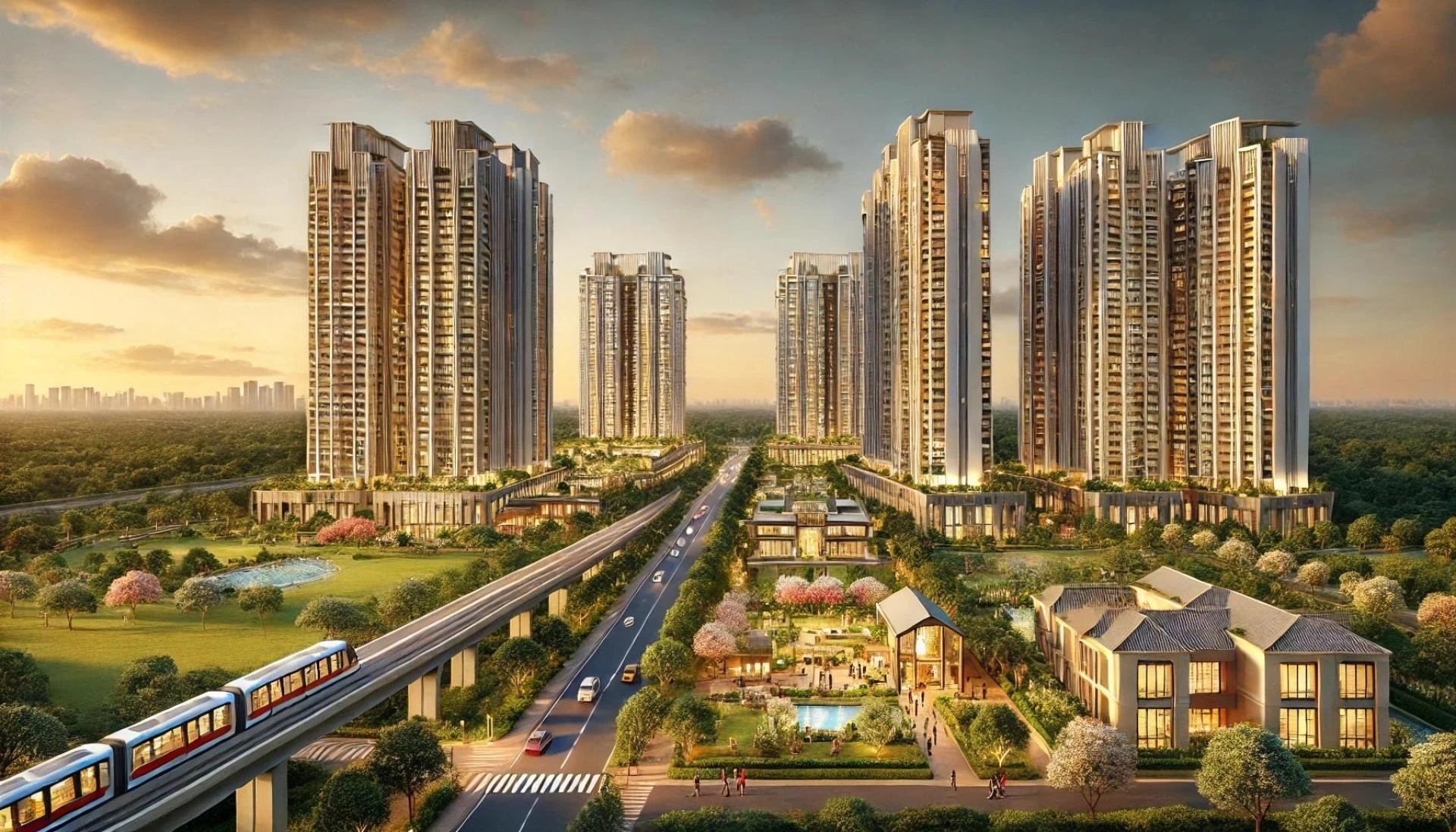
New projects typically try to stand out through a blend of amenities and design. Expect gated communities with CCTV, landscaped courtyards, jogging tracks, small parks, and multipurpose halls. Many builders now include basic fitness facilities and children’s play areas as standard. Some premium projects will add conveniences such as co-working lounges, community kitchens, and rainwater-harvesting systems. Pay attention to the listing’s fine print: are amenities included in the base price, or do they come through a separate “club membership” fee? That difference affects your monthly carrying cost.
Price and financing: realistic expectations
Project prices in tier-2 cities like Jabalpur usually start lower than in bigger metros—and that can be both a blessing and a trap. Lower ticket sizes mean lower EMIs, but check the payment schedule carefully. Builders may ask for bigger payments during construction, and interest rates from lenders can vary by lender and borrower profile. Talk to at least two banks for a home-loan quote, compare prepayment and foreclosure penalties, and keep an emergency buffer for stamp duty and registration, which are often overlooked.
Legal checks that matter
This is non-negotiable. Verify land titles, the builder’s RERA registration, and necessary approvals from municipal and environmental authorities. RERA registration is especially important because it gives you a public record of project timelines, sanctioned plans, and any past disputes. Ask the builder for the latest occupancy or completion certificate timeline and demand copies of all approvals before you commit. If anything smells off—unclear titles, missing permits, or a developer reluctant to share documents—step back and get legal advice.
Construction quality and timeline risks
Builders may quote attractive possession dates, but delays are common across the industry for many reasons: supply chain hiccups, labour shortages, or funding issues. Ask for a project timeline and compare it with the last two or three completed projects from the same developer. Visit the site periodically during construction to gauge progress and quality. Small things like grout work, alignment of windows, waterproofing details, and the materials used for plumbing and electrical conduits make a huge difference to long-term maintenance.
Resale and rental potential
If you’re buying to invest, location is king. Homes closer to schools, hospitals, and transport junctions typically offer better rental yields and resale demand. New projects that promise gated security and basic lifestyle amenities tend to attract long-term tenants—families and professionals—more reliably than bare-bones developments. Be realistic with expected returns: short-term appreciation can be modest, while well-located, well-built homes tend to do better over a five- to ten-year horizon.
Community and future-proofing
Look beyond bricks and mortar. Who are the likely neighbours? Are the surrounding plots being used for residential, commercial, or industrial purposes? Projects next to noisy or heavy-industrial zones may be cheaper upfront but less pleasant for living and harder to resell. Also consider long-term infrastructure plans in city development documents—future roads, public transport corridors, and major civic projects can change an area's fortunes dramatically.
Practical tips before you buy
- Visit the site at different times of day to check noise, sunlight, and traffic.
- Confirm what’s included in the carpet area vs. super-built-up area—ask for a clear, written definition.
- Read maintenance terms carefully: who manages the society after handover, and how are maintenance costs estimated?
- Check sample flats or show units to inspect finishes and fittings.
- Negotiate payment plans—developers sometimes offer flexible options if you ask.
- Keep records of every payment and get receipts stamped.
Closing thought
Buying in Jabalpur can be a smart move if you do your homework. The city offers an appealing blend of affordability and growing infrastructure, but every project is different. Prioritize location, legal clarity, construction quality, and realistic finance planning. If you take a measured approach—research builders, verify approvals, and visit sites—you’ll be far more likely to buy a home that serves your needs and holds its value over time.
If you want, I can draft a checklist you can take to site visits or a short email template to ask builders for the right documents—handy tools that make comparing projects much easier. Which would you prefer?