Hajj is a major pilgrimage, an obligation, and a spiritually profound journey that brings you closer to Allah (SWT). It is not just a journey of the heart, but a journey of the body, mind, and soul.
From Tawaf in the Haram to Sa’i between Safa and Marwah, from the walk to Mina, the standing in ‘Arafah, and the movement through Muzdalifah, pilgrims cover distances that many have never experienced before. Under the sun, in crowds, and often with little sleep, even simple steps can feel heavy.
During the rituals, what you carry and what you can reach easily can completely transform the experience. In this practical guide, we will discuss the essentials that should stay within arm’s reach during the long walking days of Hajj, so your energy remains reserved for worship, not worry.
Why Accessibility Matters More Than Packing Everything
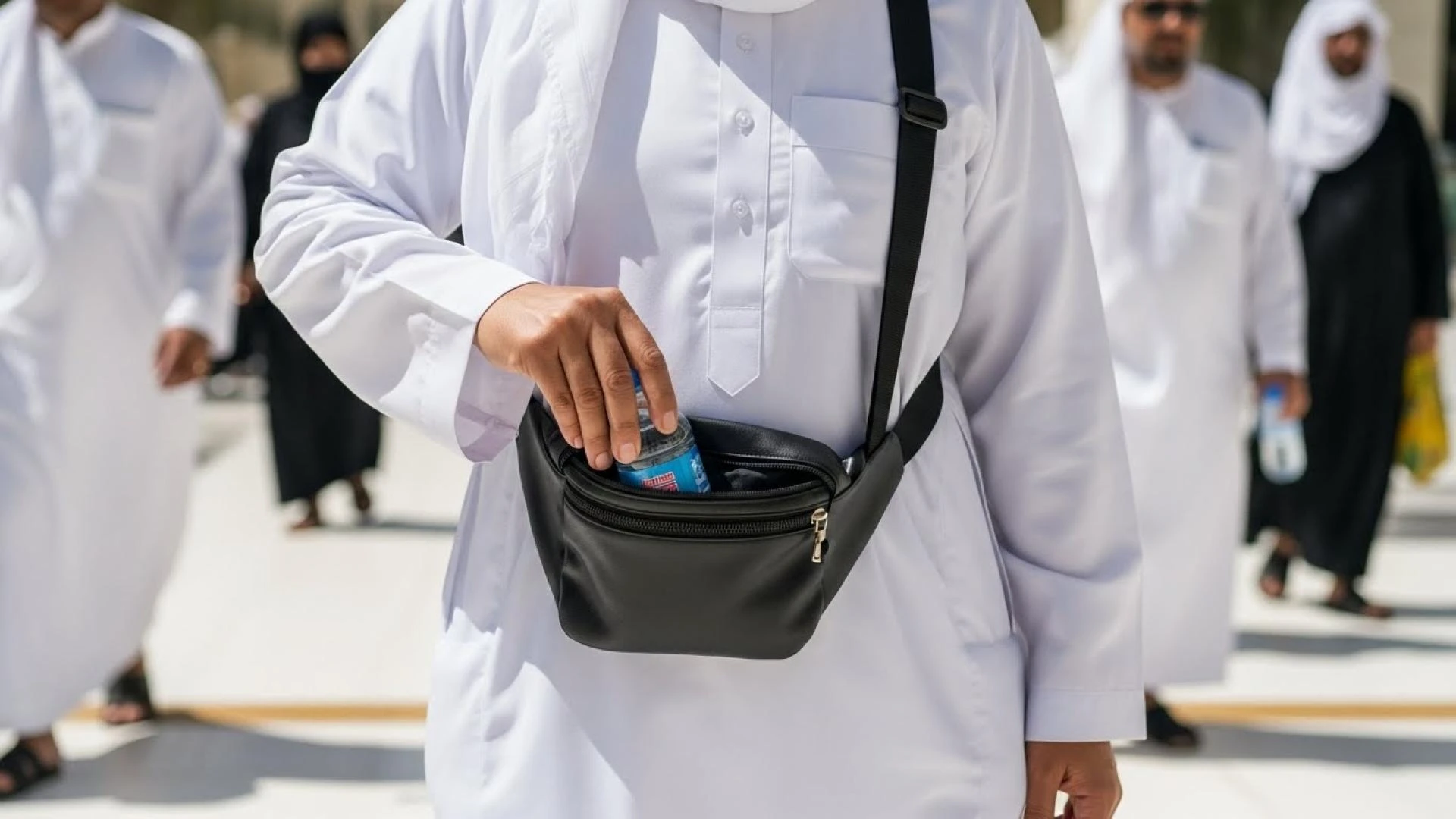
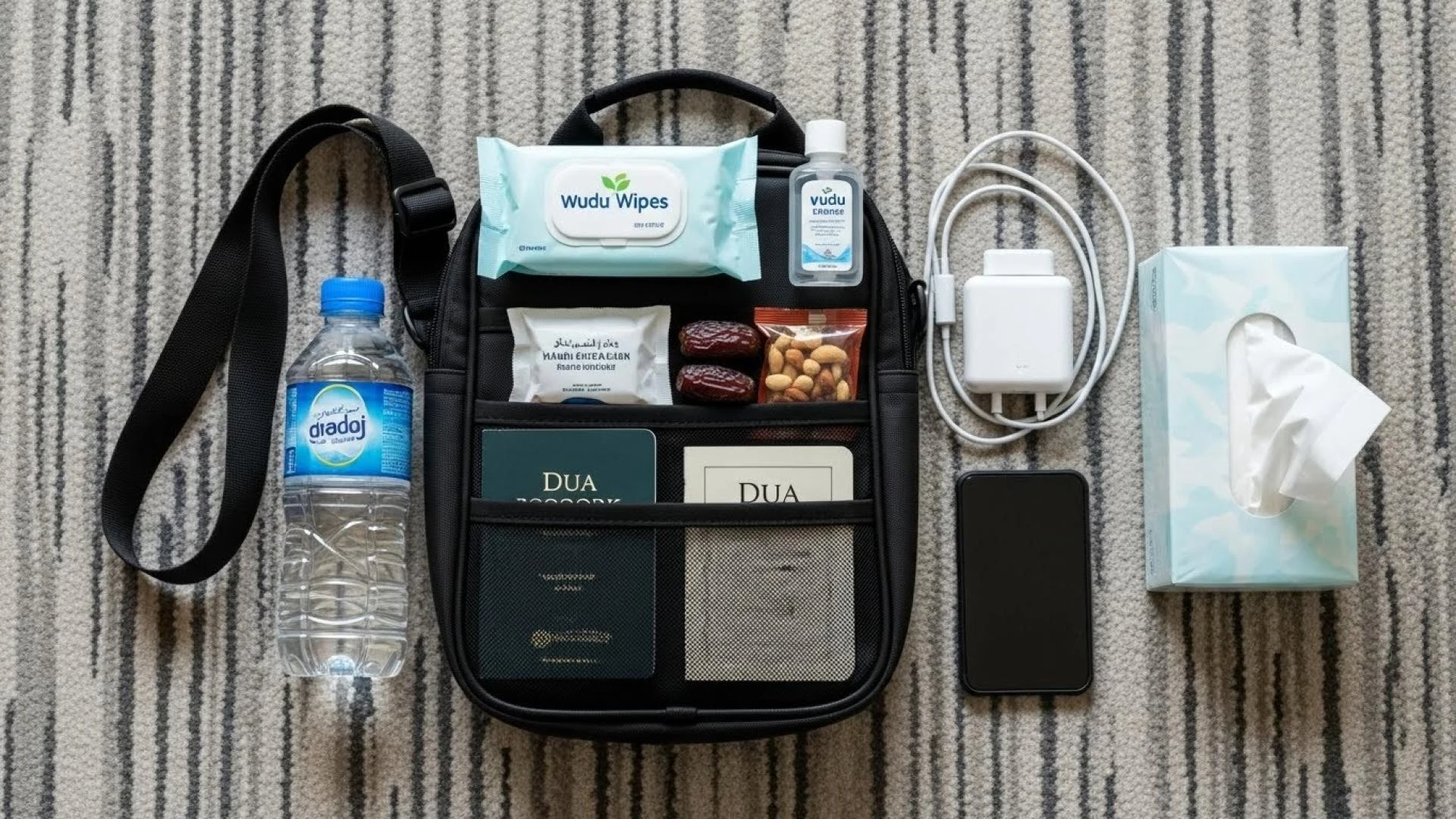
While packing for the sacred journey of Hajj, hardly any of us think that we won’t have the time, space, or energy to dig through the bags. When crowds are huge, always moving, and stops are unpredictable, having easy accessibility matters most. Sometimes you have seconds, not minutes, to drink water, take medication, or check directions.
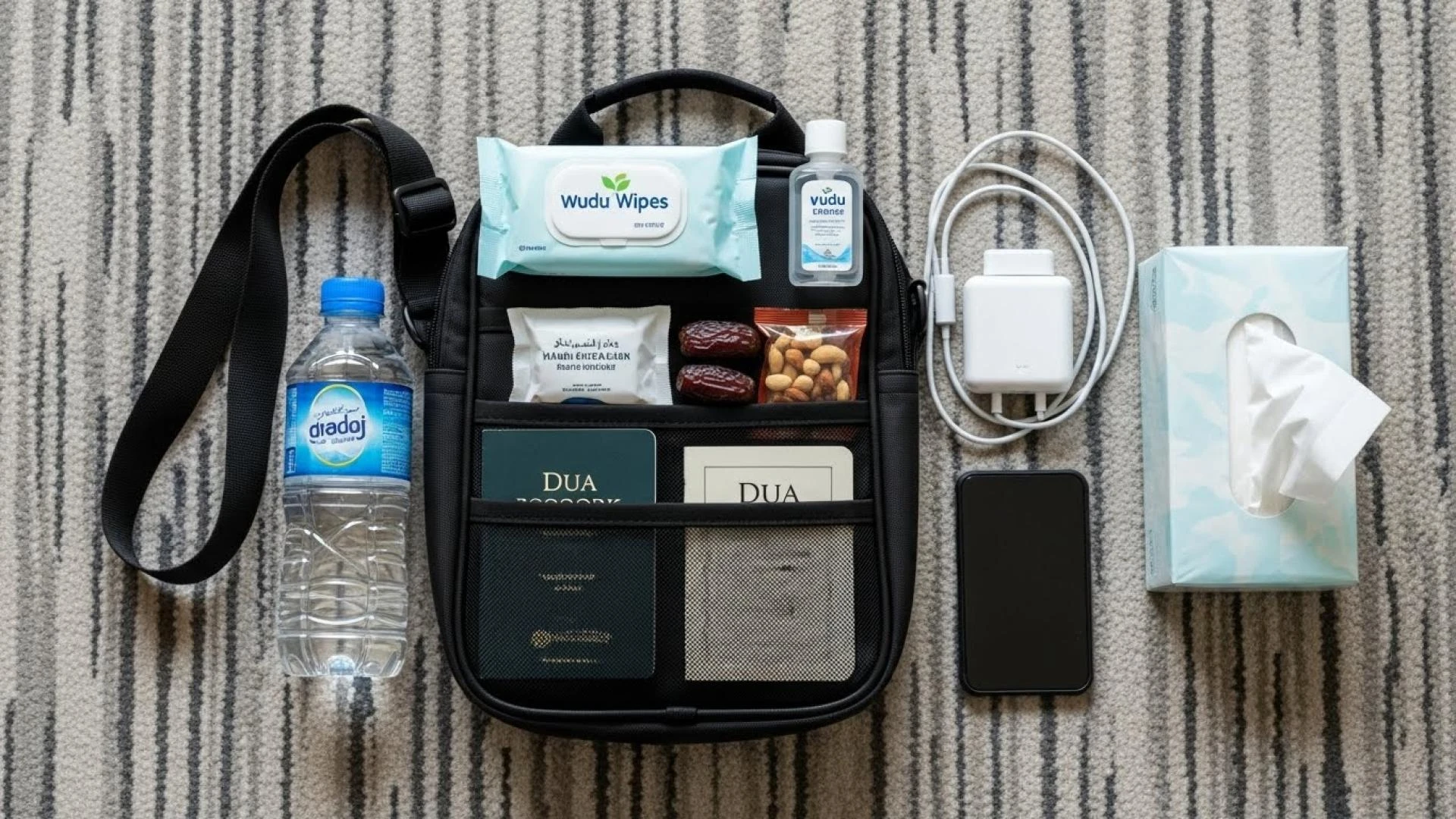
An easily accessible pouch, small bag, or waist belt becomes your lifeline. While packing for the Hajj journey, always remember that the goal is not to carry more; it is to carry smart.
That’s why getting your Hajj package from a reliable travel operator like Itimaar is beneficial. They often advise pilgrims to separate their luggage into two parts: what stays at the accommodation, and what stays with you during movement days. This simple mindset prevents unnecessary strain.
Water: Your Most Constant Companion
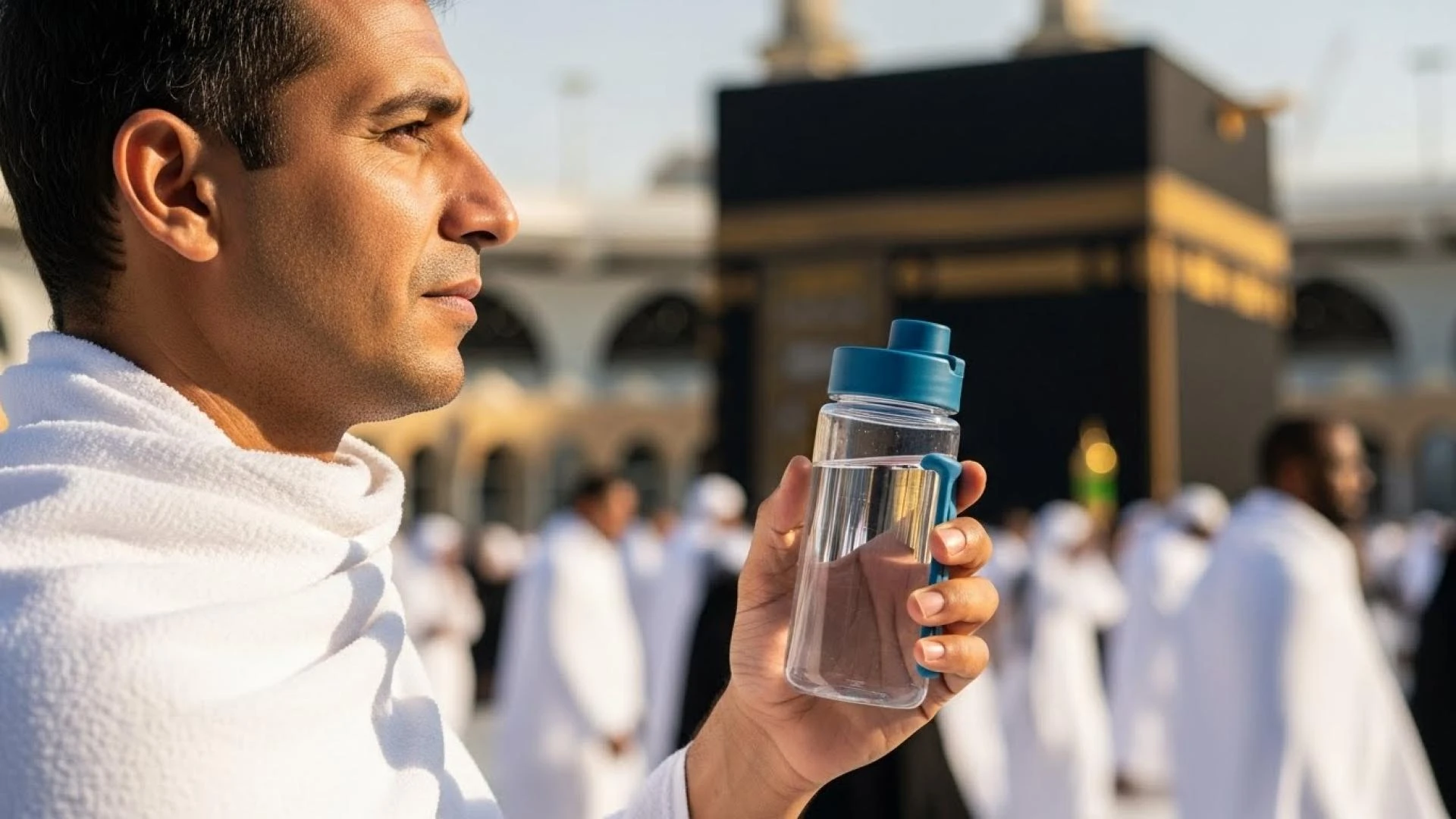
One of the fastest ways you lose your energy during Hajj is due to dehydration. Even when you don’t feel thirsty, your body is losing fluids through walking, heat, and exertion.
Keeping a small refillable bottle or collapsible flask within easy reach allows you to sip frequently without stopping. Zamzam stations are widely available, but you won’t always be near one when you need it most.
Pilgrims who wait until they feel thirsty often realise too late how quickly fatigue sets in.
Light Snacks for Steady Energy
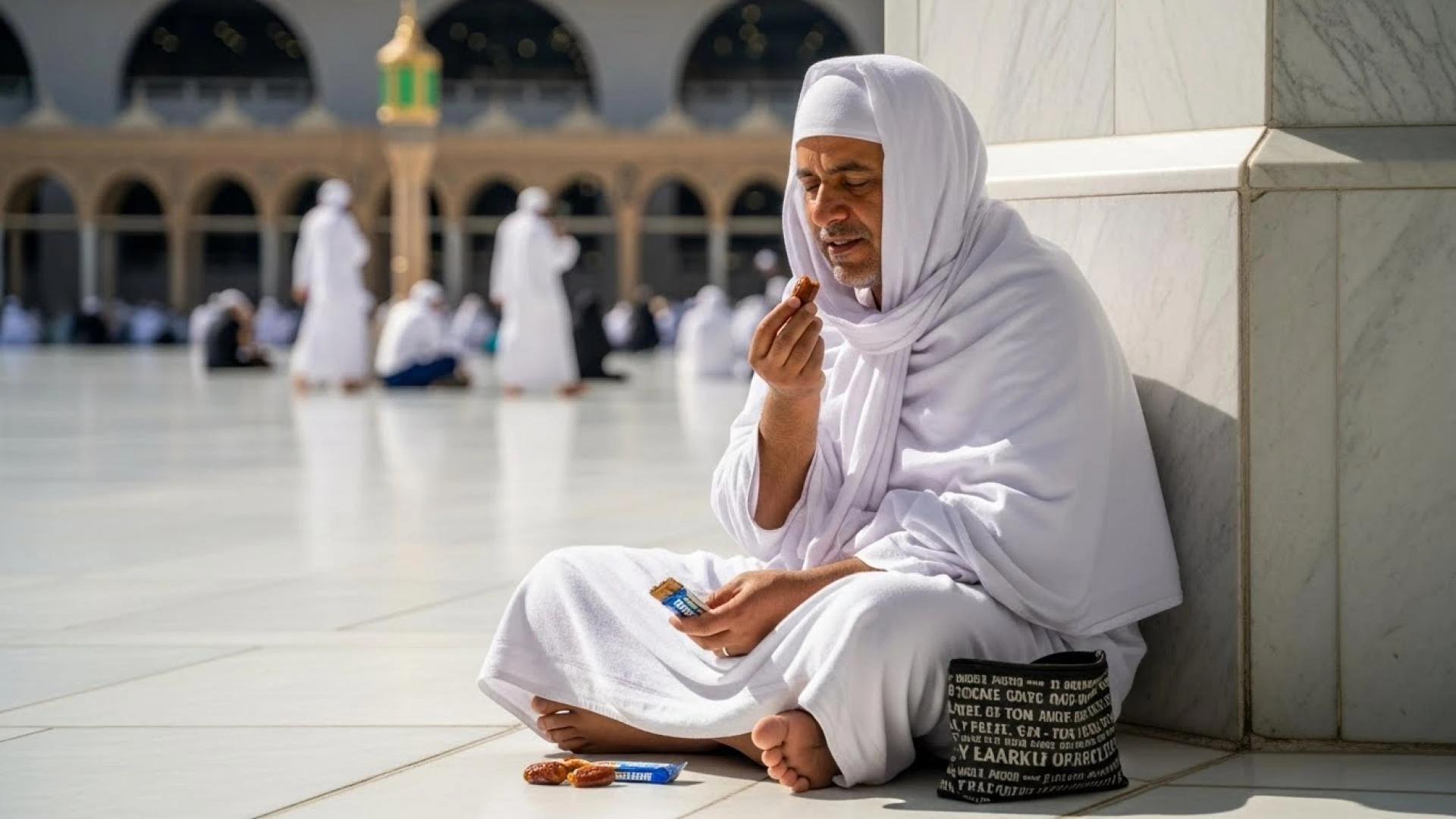
Meals during Hajj can be delayed or irregular. Long walks and waiting times demand consistent energy, not heavy food.
Keeping a few light snacks accessible helps prevent sudden weakness. Dates, nuts, or simple energy bars work well because they don’t require preparation and are easy to eat while resting briefly.
A small bite at the right time can save you from exhaustion later.
Personal Medications and Basic First Aid
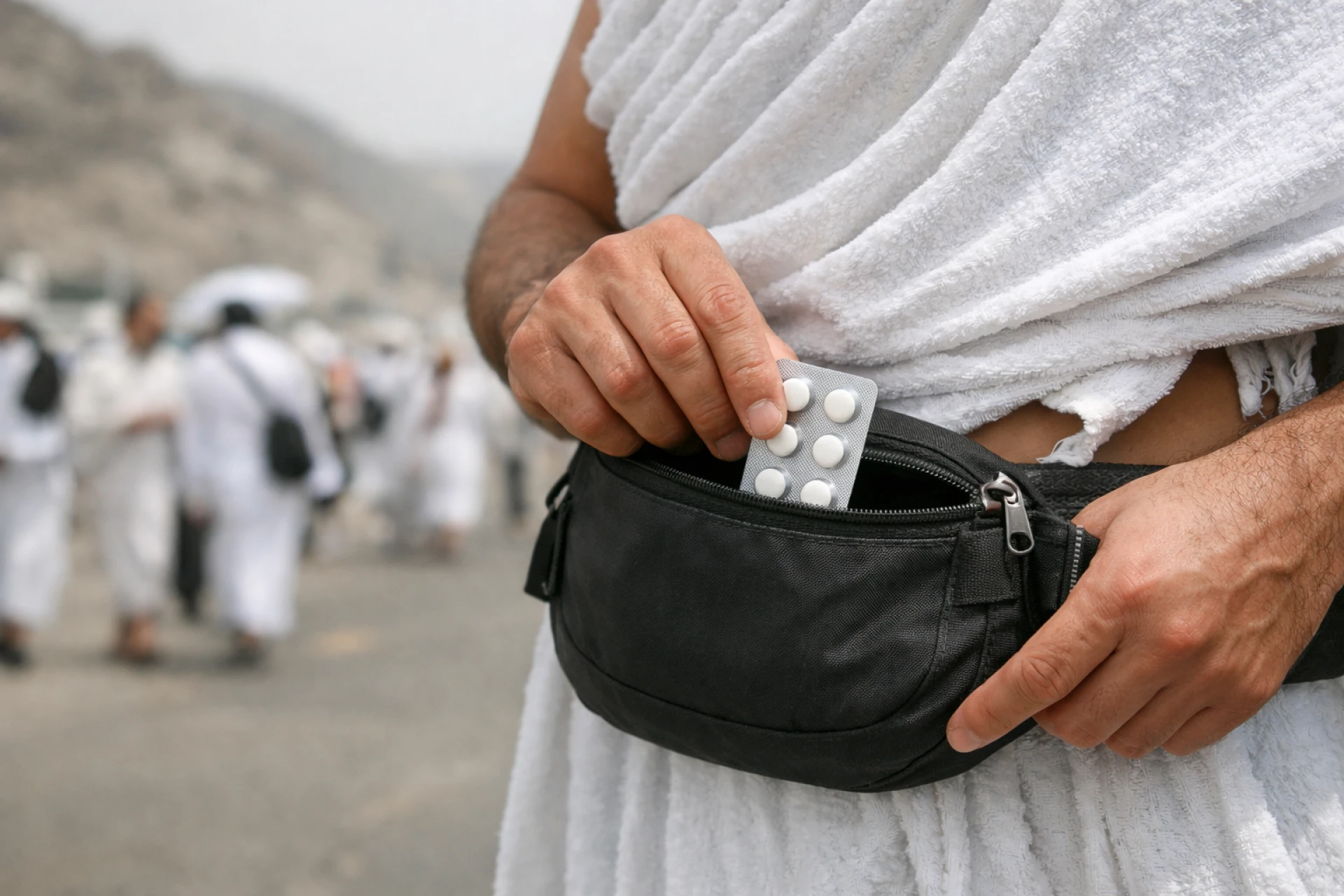
Even if you are physically fit and rarely use medicine at home, Hajj can change that. We all know the rituals of the sacred journey are physically demanding and muslce pain, headaches, blisters, or fatigue are common after hours of walking.
Your essential medications should never be buried in luggage. Keep pain relief tablets, prescribed meds, blister patches, and any personal medical items in an outer pocket or pouch. When discomfort hits, quick access matters.
A Small Towel Or A Face Cloth
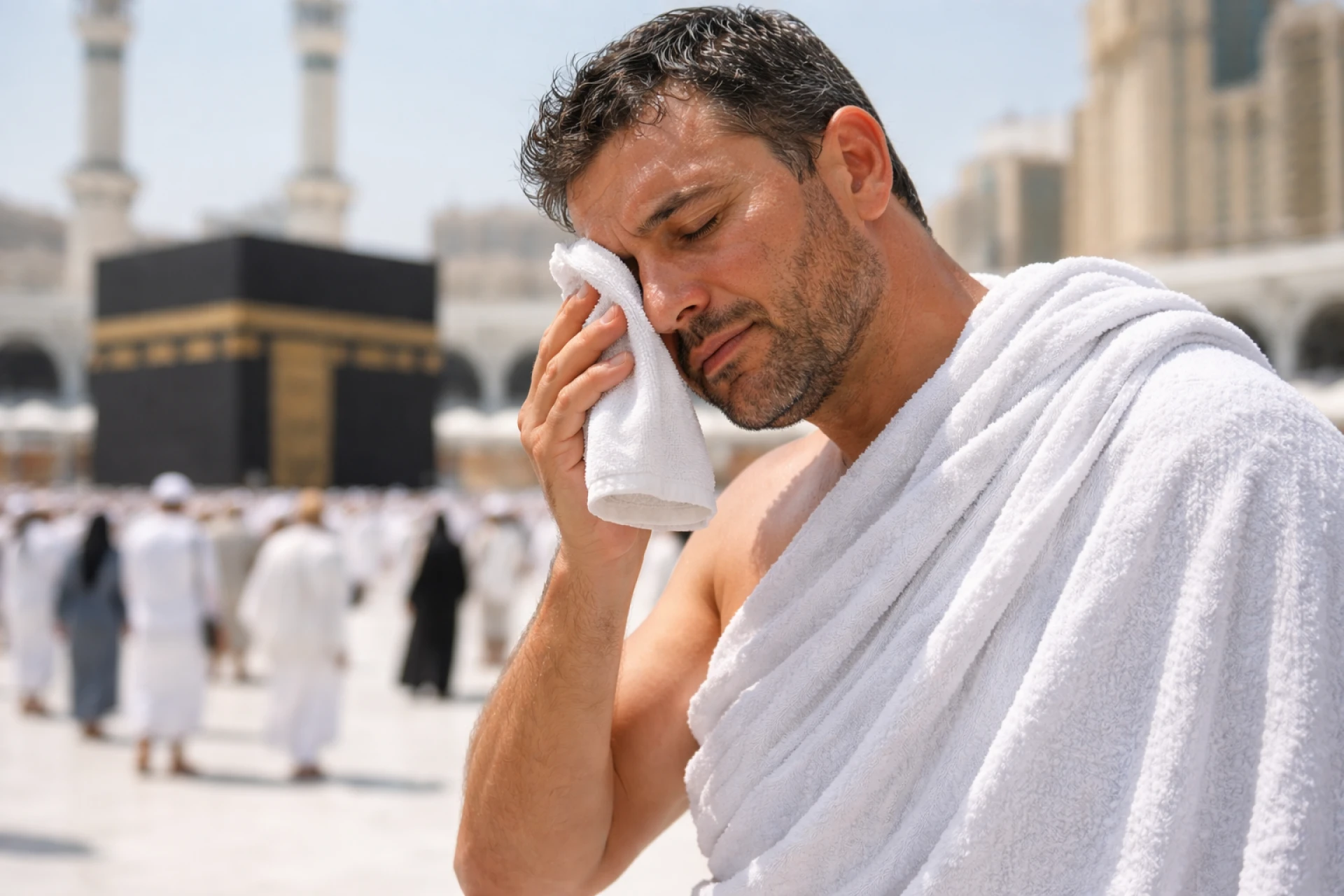
Most pilgrims overlook small towels or face cloths when packing for Hajj, only to realise later how practical they are. It may seem minor, but a lightweight towel becomes surprisingly useful.
You may need to wipe sweat, cool your face with water, or dry your hands after wudu in crowded areas. This simple item adds comfort without taking up much space, especially during peak heat.
Phone and Power Bank
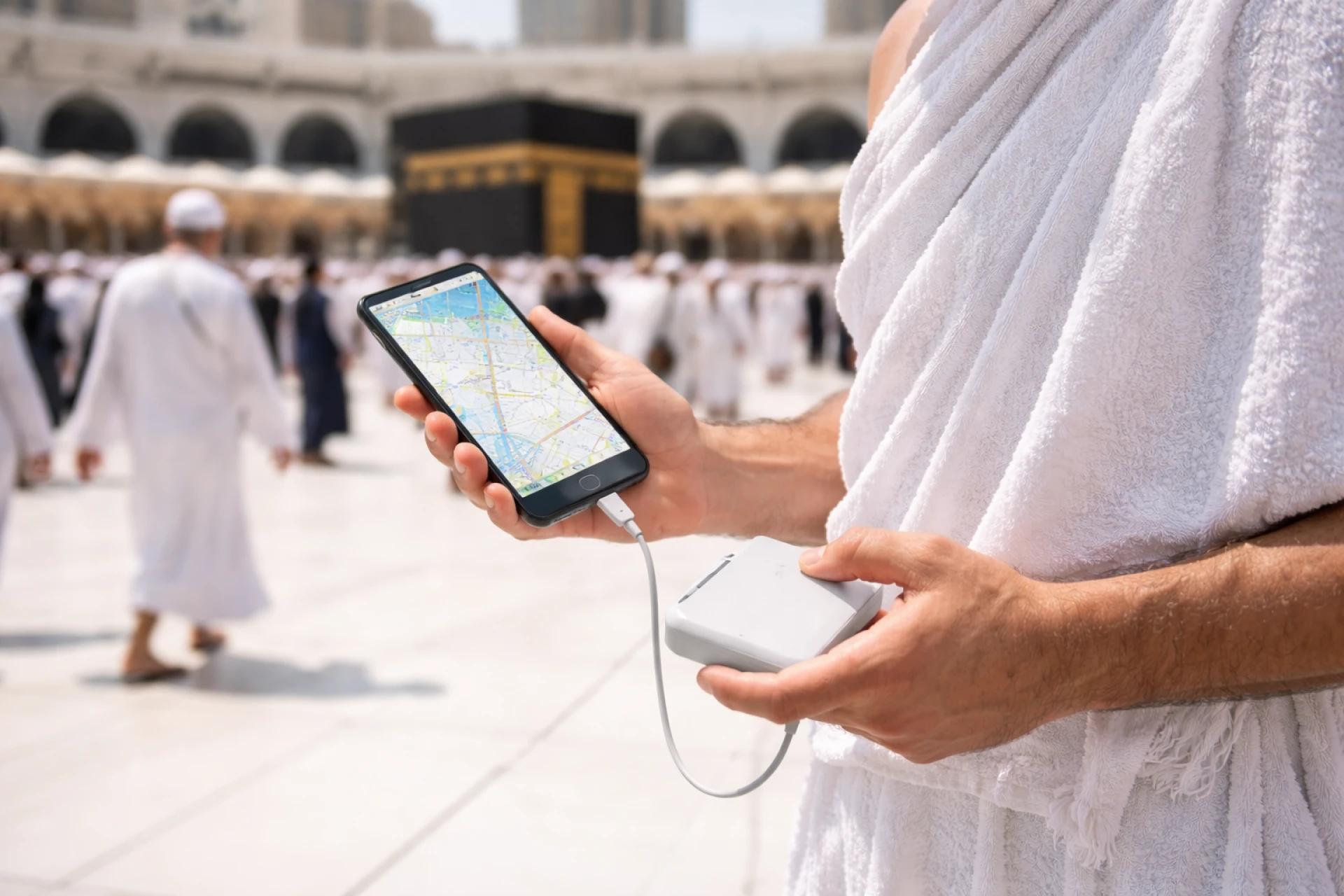
Your phone is your map, communication tool, schedule tracker, and sometimes your guide back to your group or hotel. During long days, the battery drains quickly.
Keeping both your phone and a compact power bank accessible ensures you’re never left disconnected when you most need directions or contact. Searching for a charger in crowds is not something you want to experience.
Written Emergency And Contact Details
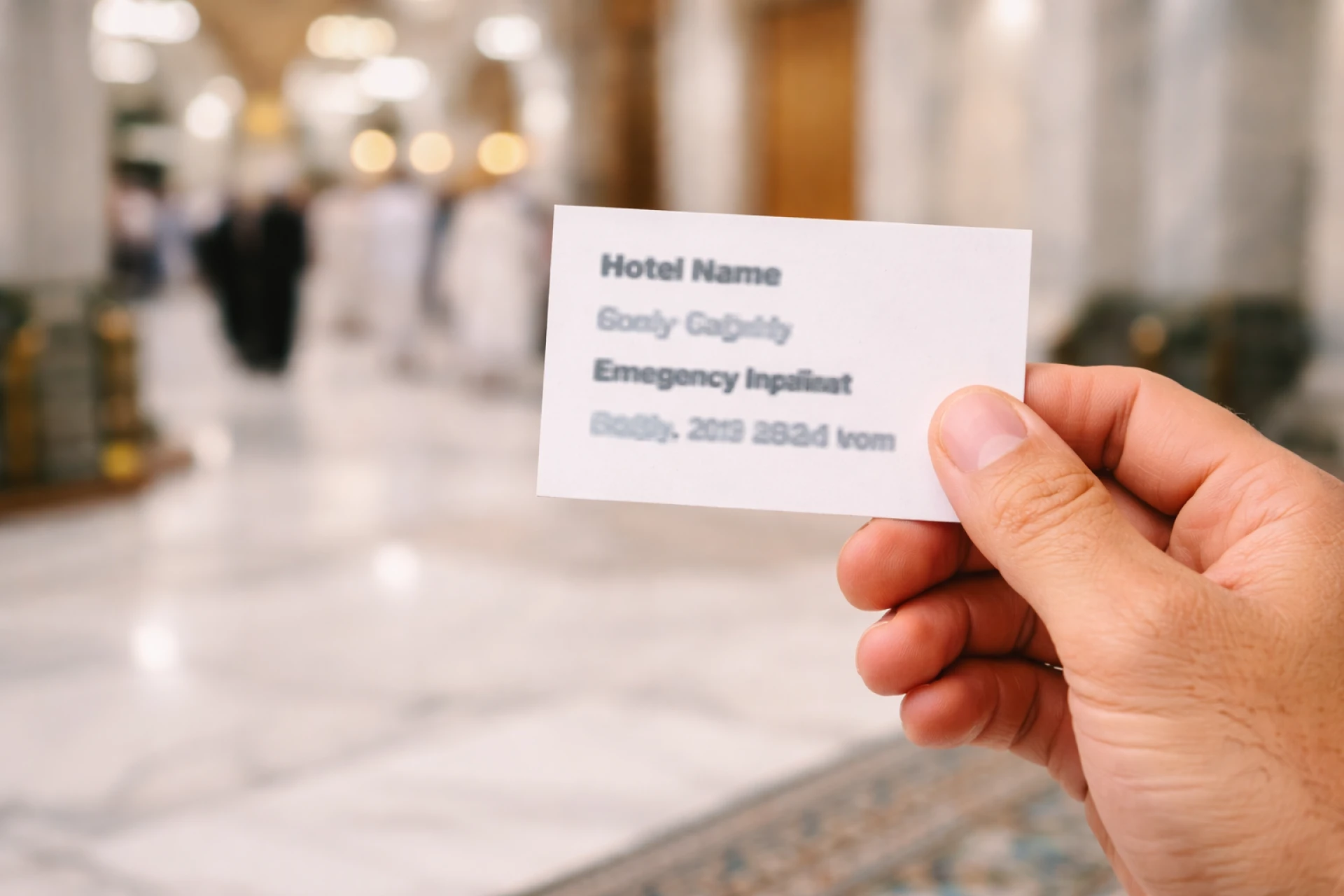
While everything is now stored and managed digitally, but technology can fail, batteries die, and even networks drop. A small card with your hotel name, group details, local contact number, and emergency information tucked into your pouch can be invaluable if you become separated or need help. This simple preparation offers peace of mind throughout the walk.
Comfort Items That Protect Your Focus
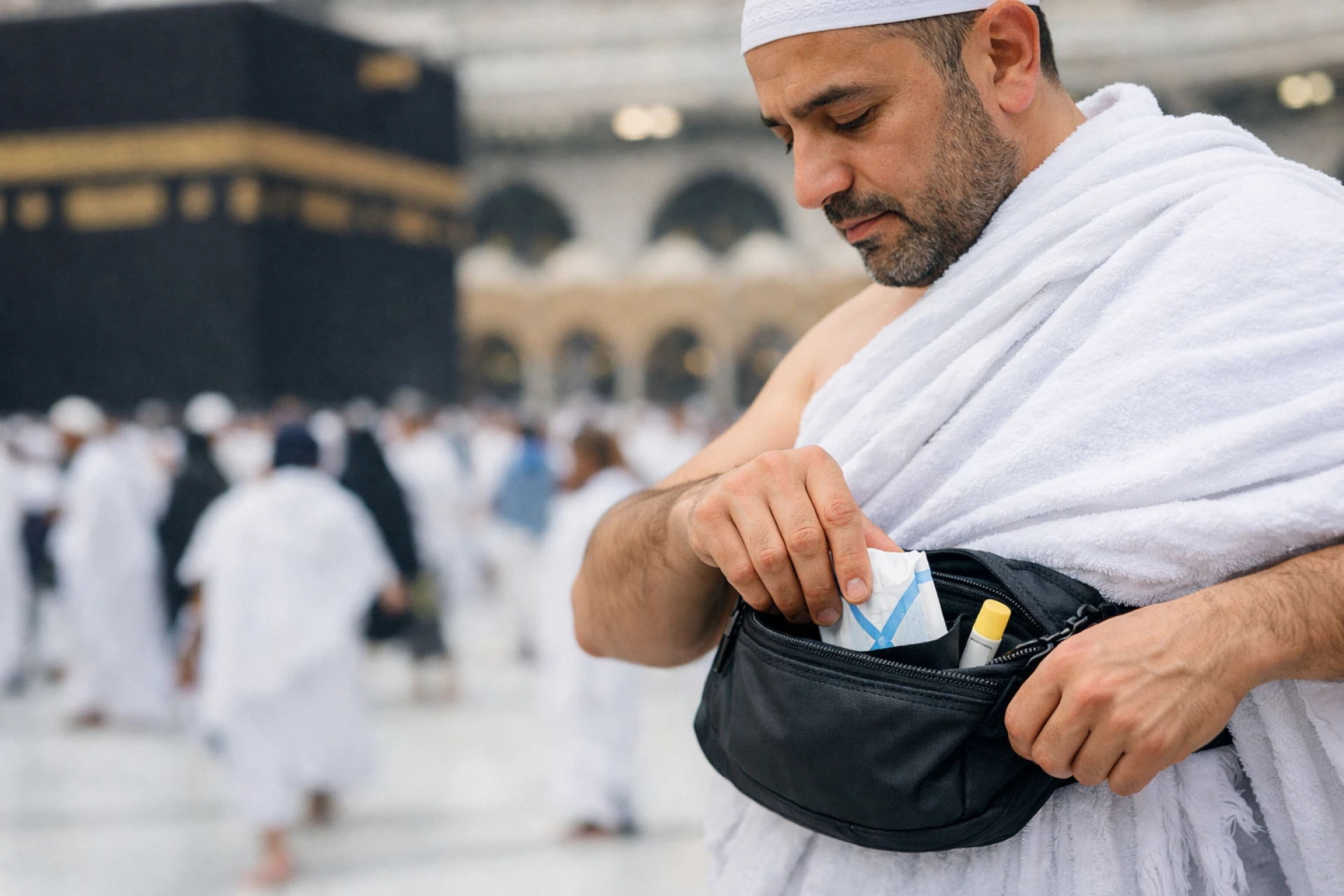
During Hajj, small discomforts grow quickly if ignored. Keeping a few comfort items within reach helps you stay mentally calm and spiritually present.
This may include lip balm for dryness, unscented tissues, or a small pack of wet wipes. These aren’t luxuries; they protect your ability to focus on ibadah instead of irritation.
What Not to Keep With You
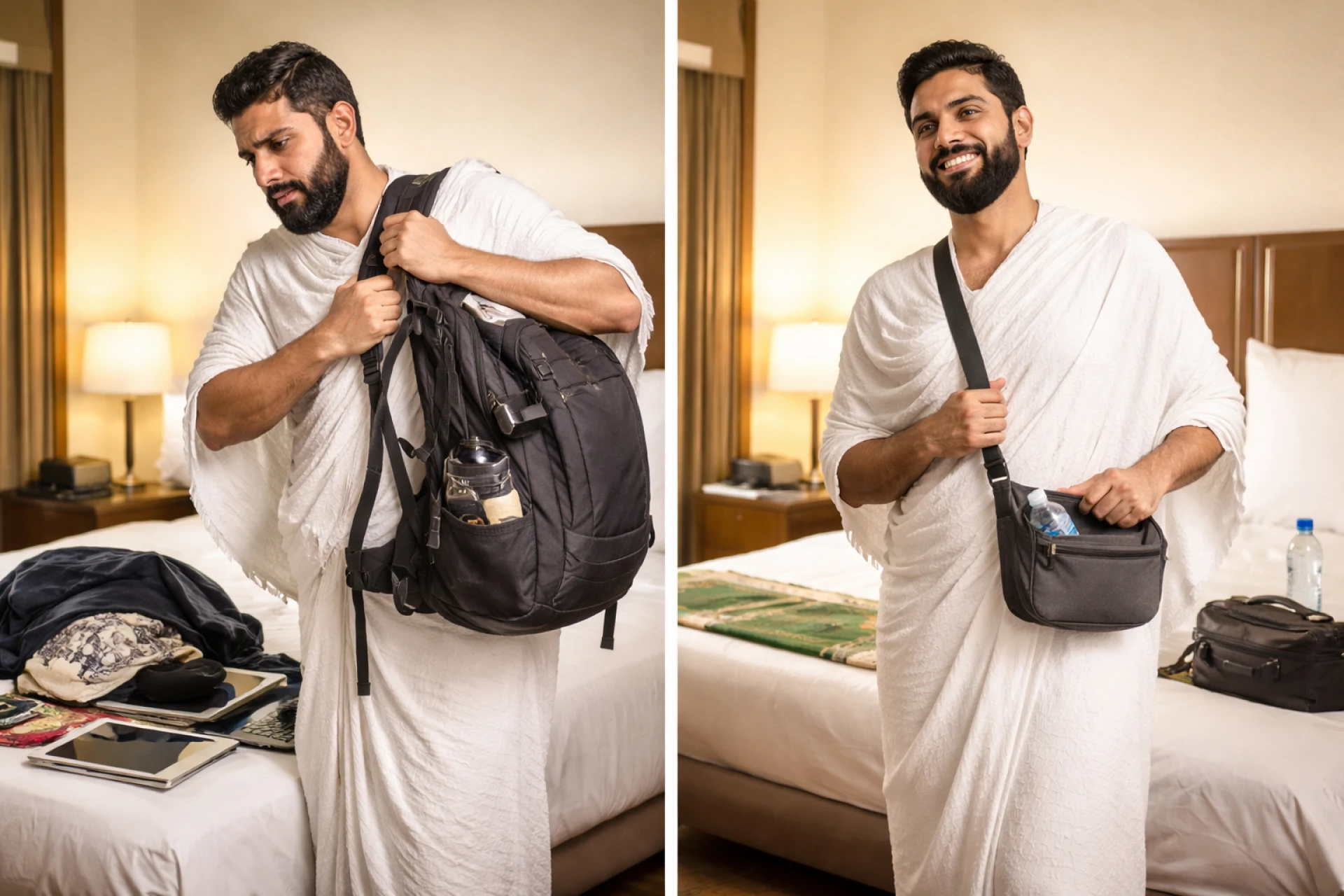
Just as important as what to carry is what to leave behind.
Heavy items, extra clothing, large books, unnecessary gadgets, and valuables add weight and risk without adding benefit. The lighter your load, the lighter your steps—and the more energy your heart retains for worship.
Final Wordings
The long walks of Hajj are not just physical movement; they are part of the purification. Every step carries intention. Every moment of fatigue holds reward.
When you keep the right essentials accessible, you protect your strength, your focus, and your peace. You walk lighter. You worry less. And you worship better.
Because in Hajj, it’s not about how much you carry in your bag; it’s about how much you carry in your heart.