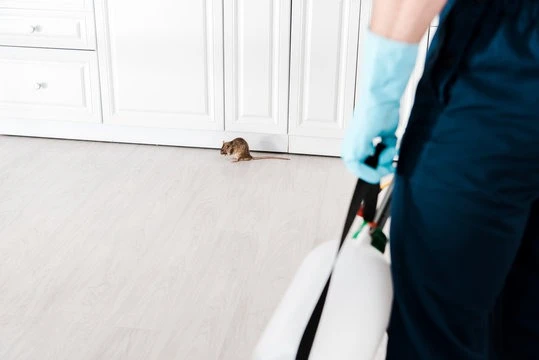
Mouse infestations pose serious health and property risks to homeowners and business operators throughout the Cleveland area. These small rodents reproduce rapidly, contaminate food supplies, damage building materials, and spread various diseases through their droppings and urine. While some property owners attempt to address mouse problems independently, professional intervention typically provides more thorough and lasting results. Understanding what happens during a professional mouse exterminator service in Cleveland helps property owners prepare adequately and recognize the value of expert rodent control solutions.
Initial Contact and Scheduling
The process begins when property owners contact a mouse exterminator in Cleveland to report signs of rodent activity. During this initial communication, service representatives gather basic information about the situation, including when evidence of mice first appeared, which areas of the property show activity, and whether anyone has attempted prior control measures. This preliminary information helps technicians prepare appropriate equipment and allocate sufficient time for the appointment.
Scheduling typically accommodates property owner availability while considering the urgency of the infestation. Companies recognize that active mouse problems require prompt attention to prevent population growth and additional damage. Representatives provide clear information about appointment duration, what areas technicians need to access, and any preparation property owners should complete before the visit.
Comprehensive Property Inspection
Professional mouse exterminators in Cleveland begin each service call with a thorough property inspection. This examination extends beyond areas where owners have noticed activity to include all spaces where mice might travel, nest, or enter the structure. Inspectors examine basements, attics, crawl spaces, garages, and utility areas for telltale signs of rodent presence.
During this inspection phase, technicians search for mouse droppings, which appear as small, dark pellets roughly the size of rice grains. They look for gnaw marks on wood. plastic, wiring, and other materials, noting their freshness to determine whether the activity is current or historical. Inspectors also check for grease marks along walls and baseboards where mice repeatedly travel, creating visible smudges from the oils in their fur.
Professional rodent control specialists in Cleveland also examine the exterior perimeter of structures. They walk the foundation looking for gaps, cracks, or openings where mice might gain entry. Common entry points include gaps around utility lines, damaged weather stripping, vents without proper screening, and spaces beneath doors. Technicians note vegetation that touches the building, stacked materials against walls, and other conditions that might facilitate mouse access.
Identification of Nesting Sites
Locating mouse nesting areas is a critical component of effective mouse extermination services in Cleveland. Technicians look in warm, secluded locations where mice prefer to build nests. Common nesting sites include wall voids, insulation materials, stored boxes, appliance cavities, and cluttered storage areas. Mice construct nests from shredded paper, fabric, insulation, and other soft materials they gather from around the property.
Professional inspectors recognize the subtle indicators that reveal nest locations. They note areas with concentrated droppings, strong musky odors, and evidence of recent gnawing activity. Technicians may use inspection mirrors and flashlights to examine tight spaces without requiring destructive investigation. In some cases, inspectors use specialized cameras to view areas inside walls or beneath floors that are otherwise inaccessible to visual inspection.
Assessment and Treatment Planning
After completing the inspection, the mouse exterminator assesses the extent of the infestation and develops an appropriate treatment strategy. This assessment considers multiple factors, including the size of the mouse population, the number and location of entry points, the presence of conducive conditions, and any special circumstances affecting the property.
Technicians explain their findings to property owners in clear, understandable terms. They describe where mice are entering, where they are nesting, what damage has occurred, and what conditions are supporting the infestation. This educational component helps owners understand why mice are present and what changes might prevent future problems.
The treatment plan typically combines multiple approaches for maximum effectiveness. Professionals outline which methods they will employ, where they will place control devices, and what timeline property owners should expect for results. This plan addresses both immediate population reduction and long-term prevention strategies.
Trap Placement and Baiting Stations
Mice exterminators in Cleveland utilize various devices to capture or eliminate rodents depending on the specific situation. Snap traps remain among the most effective tools for mouse control when properly placed and baited. Technicians position these devices along walls where mice travel, near entry points, and close to areas showing recent activity. They understand mouse behavior patterns and place traps in locations that intercept normal travel routes.
Professional rodent control services also employ secured bait stations in appropriate situations. These tamper-resistant containers protect children and pets while providing targeted access for mice. Technicians position stations strategically throughout the property, particularly in areas where traps might be impractical or where ongoing monitoring is beneficial.
Glue boards represent another tool in the professional arsenal. These adhesive surfaces capture mice that walk across them, providing both control and monitoring capabilities. Technicians place glue boards in areas where other methods may be unsuitable, such as sensitive environments or locations that require evidence of continued activity.
Exclusion and Entry Point Sealing
Effective mouse extermination services in Cleveland include exclusion work to prevent reinfestation. Technicians seal identified entry points using appropriate materials that mice cannot easily breach. Steel wool, copper mesh, caulking, expanding foam, and metal flashing all serve specific purposes in exclusion work.
Professionals understand which materials work best for different situations. They know that mice can squeeze through openings as small as a quarter inch and can gnaw through many common building materials. Technicians ensure that repairs are thorough and durable, providing long-term protection rather than temporary fixes.
For larger openings or structural gaps, technicians may recommend repairs that require contractor services. They document these issues and provide guidance about proper remediation while addressing smaller gaps immediately during the service visit.
Sanitation Recommendations
Professional mice exterminators in Cleveland provide guidance about sanitation improvements that reduce mouse attraction. Technicians explain the importance of proper food storage, regular cleaning to eliminate crumbs and spills, and clutter reduction that eliminates potential nesting sites. They may recommend specific changes to landscaping, storage practices, or waste management that will make properties less hospitable to rodents.
This educational component is valuable because even the most effective exclusion and control measures can be undermined by conditions that continue to attract mice. Property owners who implement recommended sanitation improvements experience better long-term results and reduced risk of future infestations.
Follow-Up Services and Monitoring
Most professional rodent control programs include follow-up visits to check trap success, remove captured mice, assess whether new activity has occurred, and adjust the treatment approach as needed. These return visits typically occur within 1 to 2 weeks of the initial service, though timing varies depending on the infestation severity.
During follow-up appointments, technicians inspect all previously placed devices, reset or relocate traps as needed, and verify that exclusion work remains intact. They look for any new signs of mouse activity that might indicate additional entry points or surviving members of the population. This monitoring continues until activity ceases completely and property owners feel confident the problem has been resolved.
Companies such as G & G Exterminating maintain detailed service records documenting all findings, treatments, and follow-up results. This documentation helps track progress and provides valuable information if issues recur.
Conclusion
Professional mouse exterminator services in Cleveland provide comprehensive solutions that address both immediate rodent problems and the underlying conditions that support infestations. From initial inspection through follow-up monitoring, trained technicians apply specialized knowledge and proven methods to achieve lasting results. Property owners who understand what to expect during professional mouse exterminator visits can better prepare for appointments and appreciate the thorough approach that distinguishes professional rodent control from amateur attempts.