If you're a Melbourne resident or business owner in Hadfield, you've likely experienced the frustration of pressing the power button and watching your computer fail to start. It's a problem that affects thousands of people across Melbourne's northern suburbs every month, disrupting work, study, and daily routines. A computer that won't boot up can feel like a catastrophe, especially when you have important files or deadlines to meet. The good news is that many boot-up failures have straightforward solutions you can try yourself before calling in professionals for computer repairs Hadfield. This guide will walk you through the most common causes and practical steps to get your machine running again.
Common Computer Boot-Up Problems
When your computer refuses to start, it typically falls into one of several categories. Your machine might power on but get stuck on a blank screen, display error messages before shutting down, loop endlessly through the startup process, or fail to power on entirely despite being plugged in and switched on properly.
Some users also experience situations where the computer powers up with lights and fan noise but doesn't proceed past the manufacturer's logo. Others might see a "Windows/Mac is Starting" message that never progresses further. These symptoms might seem identical to the untrained eye, but they point to different underlying issues.
Why Computers Fail to Boot
Understanding what causes boot failures helps you troubleshoot more effectively. Several factors commonly prevent computers from starting properly.
Hardware Issues
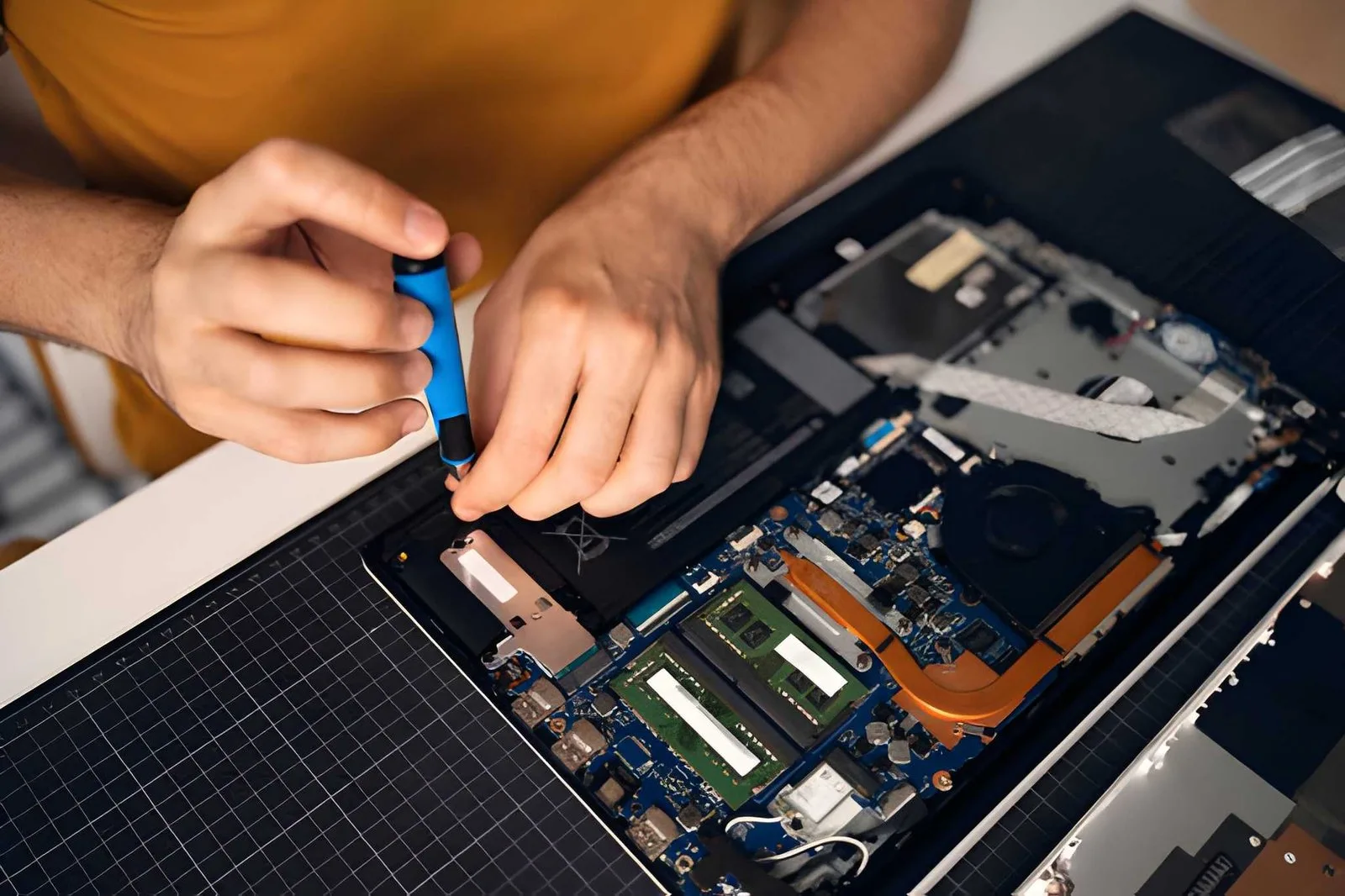
Physical damage or wear-and-tear is one of the primary culprits. Your hard drive—the component storing all your data and operating system—can develop mechanical problems after years of use. Loose internal connections, degraded power supplies, or faulty RAM modules also frequently cause boot failures. If your computer has been dropped, suffered water damage, or overheated, internal components may be damaged.
Software and System Corruption
Sometimes the problem isn't physical damage at all. Operating system files can become corrupted through unexpected power outages, interrupted updates, malware infections, or failed system patches. If your computer was forced to shut down during an important update or the power unexpectedly went out, essential system files might be damaged or incomplete.
Driver and Firmware Issues
Outdated or incompatible drivers—the software that allows your operating system to communicate with hardware—can trigger boot failures. Recent Windows or Mac updates sometimes introduce conflicts with existing drivers. Additionally, corrupted BIOS or firmware can prevent your system from initializing properly.
External Factors
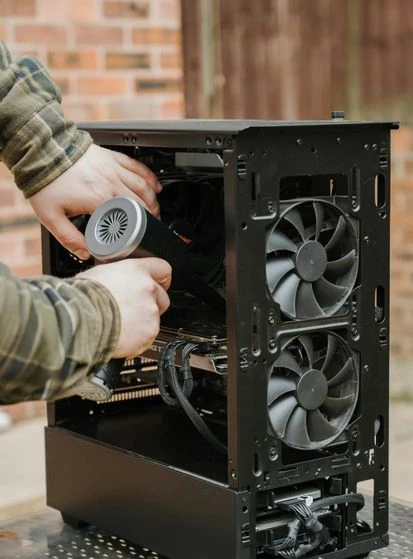
Environmental issues like extreme temperatures, humidity, and dust accumulation can degrade components over time. Surge damage from electrical fluctuations or nearby lightning strikes can also compromise your computer's ability to start.
Practical Solutions to Try First
Before you assume your computer needs professional intervention, try these straightforward troubleshooting steps.
Check the Basics
Start with the simplest fixes. Ensure your computer is properly plugged in and the power outlet works—test the outlet with another device like a lamp. Check that power cables are fully inserted. If using a laptop, charge the battery fully for several hours, as a completely drained battery might not show immediate signs of charging.
Force a Restart
Hold down the power button for 30 seconds until the computer completely powers off. Wait a minute, then press the power button again to restart. This often clears temporary system glitches and resets power management cycles.
Try Safe Mode
If your computer powers on but encounters errors before loading fully, try booting into Safe Mode. On Windows, restart and press F8 repeatedly before the logo appears. On Mac, restart and hold Shift. Safe Mode loads only essential drivers and files, helping you identify whether third-party software is causing the problem.
Disconnect External Devices
Remove USB devices, external hard drives, printers, and any peripherals except your monitor and keyboard. Sometimes a problematic external device prevents the computer from booting. Add devices back one at a time after successful startup to identify the culprit.
Check for LED Indicators
Most computers have diagnostic lights. If lights are off, you likely have a power supply issue. If lights are on but nothing displays, the problem may be with your display connection or graphics card rather than the boot process itself.
Expert Tips for Computer Repairs Hadfield
If basic troubleshooting hasn't worked, understand what professional technicians will likely check. They'll test your power supply with specialized equipment, run diagnostics on your hard drive, check RAM modules, and scan for malware and system corruption.
When contacting a computer repair service, describe exactly what happens when you power on—do you hear sounds, see lights, or is there complete silence? Note any error messages or beeping patterns, as these provide valuable diagnostic information. Having this information ready helps technicians resolve issues faster.
For laptop users, be aware that some boot issues stem from battery problems rather than system failures. Professionals can test your battery independently and may recommend replacement if it's faulty.
When to Seek Professional Help
You should contact a repair technician if you've tried the above steps without success, your computer makes unusual clicking or beeping sounds (indicating hardware failure), you see error messages mentioning hard drive problems or system files, your computer powers on but immediately shuts down, or you suspect malware or security breaches.
Additionally, if your computer has been dropped, exposed to liquids, or suffered obvious physical damage, don't attempt further troubleshooting yourself. Opening a damaged computer without proper equipment can worsen the problem.
If your computer is under warranty, attempting repairs yourself might void the coverage, so check your warranty status before proceeding.
Conclusion
A computer that won't boot up is genuinely stressful, but panic isn't the answer. Most boot failures stem from fixable problems like loose connections, software corruption, or driver conflicts. By systematically working through the troubleshooting steps outlined here, you'll often identify and resolve the issue yourself without expensive repairs.
However, recognizing when a problem exceeds DIY solutions is equally important. If you've tried these approaches and your computer still won't start, it's time to contact qualified professionals. Whether you're looking for computer repairs Hadfield has available or prefer remote support services, experienced technicians can diagnose and fix complex hardware and software issues quickly. Keep your important data backed up regularly to protect yourself from future boot failures, and remember that investing in professional help when needed preserves your computer's longevity and your peace of mind.