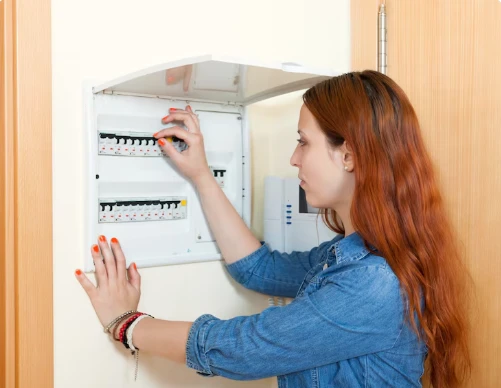
There's nothing quite like the frustration of walking to your breaker panel for the third time in one day to flip the same switch back on. A circuit breaker that keeps tripping is more than just annoying. It's your electrical system telling you something needs attention, and ignoring it won't make the problem go away.
The good news is that most of the reasons a breaker trips are well understood, and many of them are fixable. The bad news is that some of those fixes aren't things you should try on your own. Let's walk through the common causes and what you can actually do about them.
Why Breakers Trip in the First Place
A circuit breaker is a safety device. Its entire purpose is to shut off power to a circuit when something isn't right. That could mean the circuit is pulling more electricity than it's rated for, there's a short circuit somewhere in the wiring, or there's a ground fault. In all three cases, the breaker is doing exactly what it's supposed to do.
The problem isn't really that the breaker tripped. The problem is whatever caused it to trip. And until you figure that out, it's going to keep happening.
Overloaded Circuits
This is the most common reason a breaker trips. An overloaded circuit means you're drawing more power from that circuit than it can handle. Most household circuits are rated for 15 or 20 amps, and if the total draw from everything plugged into that circuit exceeds that, the breaker shuts it down.
This happens a lot in kitchens, home offices, and bedrooms where space heaters, hair dryers, or multiple devices are all running on the same circuit. The fix can be as simple as unplugging a few things and spreading the load across different outlets on different circuits.
If you find yourself constantly juggling what's plugged in where, that's a sign your home might need additional circuits installed. An electrician can add dedicated circuits for high-draw appliances so you're not overloading the ones you already have.
Short Circuits
A short circuit happens when a hot wire comes into contact with a neutral wire or another hot wire. This creates a sudden surge of current that the breaker catches and shuts down. Short circuits are more serious than overloads because they often point to a wiring issue inside the wall, in an outlet, or in an appliance.
If a breaker trips and you notice a burning smell, discoloration around an outlet, or a popping sound, a short circuit is likely the cause. Don't keep resetting the breaker and hoping for the best. This is a situation where you need an electrician to find the source and make the repair safely.
Ground Faults
A ground fault is similar to a short circuit, but it involves a hot wire touching a ground wire or a grounded part of a junction box or appliance. Ground faults are especially common in areas with moisture, like bathrooms, kitchens, garages, and outdoor spaces.
This is why building codes require GFCI (Ground Fault Circuit Interrupter) outlets in those areas. A GFCI outlet will trip on its own when it detects a ground fault, cutting power before the breaker even has to get involved. If you don't have GFCI protection in wet areas and your breaker keeps tripping, getting those outlets installed is a smart first step.
A Faulty Breaker
Breakers themselves can wear out over time. If a breaker is old or has tripped hundreds of times over the years, it may start tripping even when there's no actual fault on the circuit. This is called a nuisance trip, and it happens because the internal mechanism has degraded.
Replacing a single breaker is a relatively quick job for a licensed electrician. It's not expensive, and it can solve the problem immediately if the breaker itself is the issue.
What You Should & Shouldn't Do
There are a few things you can safely do on your own when a breaker keeps tripping. Start by unplugging everything on the affected circuit and resetting the breaker. Then plug things back in one at a time to see if a specific appliance or device is causing the trip. If you find the culprit, stop using it until you can get it checked or replaced.
What you shouldn't do is keep resetting the breaker without figuring out why it's tripping. You also shouldn't swap in a higher-rated breaker to stop the tripping. That's dangerous because it removes the protection the breaker is supposed to provide, and it can cause wiring to overheat.
And if the breaker trips immediately every time you reset it, or if there are any signs of burning or melting at the panel, leave the breaker off and call an electrician.
When to Call a Professional
If you've gone through the basics and the breaker is still tripping, it's time to bring in someone who can diagnose the issue properly. Electricians have the tools and training to track down faults inside walls, test circuits under load, and make repairs that are safe and up to code.
For homeowners in the New York City area, A&B Electric is one company that handles these kinds of issues regularly across all five boroughs. Having a local team that knows the wiring common in NYC buildings can make diagnosis faster and more accurate.
A breaker that keeps tripping is always trying to tell you something. The smartest thing you can do is listen to it, figure out what's going on, and get it fixed the right way. It's a small investment of time and money that keeps your home safe and your electrical system running the way it should.