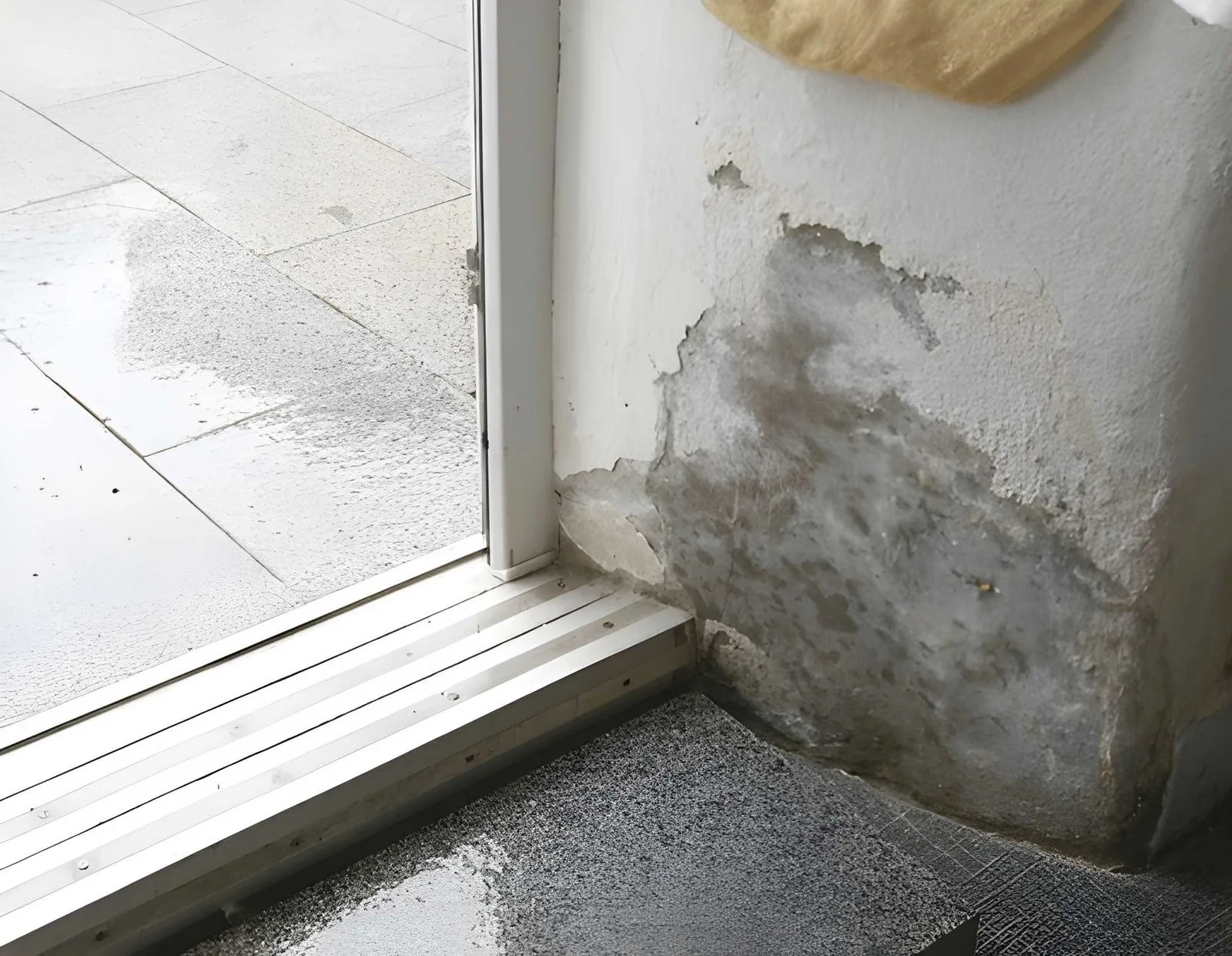
Basement flooding from rainfall, plumbing issues, or mechanical failures can spread rapidly, damaging flooring, drywall, furniture, and electrical systems. Quick action and proper cleanup steps help reduce structural damage, limit growth, protect belongings, and support a smoother recovery process.!
Prioritize Safety Before Entering
Before stepping into a flooded basement, safety should come first. Standing water may create electrical hazards or expose residents to contaminated water. If water levels are high or outlets are submerged, avoid entering until power to the affected area has been turned off by a professional or utility provider.
Floodwater may also contain bacteria, chemicals, or sewage depending on the source. Wearing waterproof boots, gloves, and protective gear can help reduce exposure to harmful contaminants.
According to the Federal Emergency Management Agency (FEMA), homeowners should document damage and avoid using electrical appliances in wet environments until inspected.
Identify the Source of Water Intrusion
Understanding where the water came from is important because the cleanup approach depends on the source. Heavy rain and poor drainage systems often lead to groundwater seepage, while burst pipes or appliance leaks may cause clean-water flooding.
One commonly overlooked issue is sump pump water damage prevention, especially in homes that rely on basement drainage systems during storms. When sump pumps fail due to power outages or mechanical problems, water can accumulate quickly and spread throughout the basement.
Regular maintenance of drainage systems and backup power options may help reduce future risks.
Remove Water as Quickly as Possible
The longer water remains inside a basement, the greater the chance of structural deterioration and mold development. Wet materials begin to absorb moisture almost immediately, making fast extraction essential.
Depending on the severity, homeowners may use wet vacuums, pumps, or professional-grade drying equipment. Carpets, insulation, and porous materials often need special attention because trapped moisture can remain hidden beneath surfaces.
If flooding is extensive, professional help may be necessary to ensure complete moisture removal and prevent secondary damage.
Prevent Mold Growth During Cleanup
Mold growth can begin within 24 to 48 hours after water exposure. Even after visible water disappears, moisture trapped inside walls, flooring, and wooden structures may continue creating ideal conditions for microbial growth.
Using dehumidifiers, fans, and proper ventilation helps speed up drying. Any materials that cannot be fully dried should be removed to reduce contamination risks.
The U.S. Environmental Protection Agency (EPA) mold guide recommends drying wet areas quickly and addressing hidden moisture to minimize indoor air quality concerns.
Inspect Structural and Hidden Damage
Flooding often affects more than what appears visible on the surface. Water can weaken drywall, warp wood framing, damage insulation, and affect foundation materials over time.
After cleanup, homeowners should inspect:
- Baseboards and drywall for swelling
- Flooring for soft spots or buckling
- Electrical outlets and wiring for damage
- Basement walls for cracks or leaks
A detailed inspection helps identify problems before they become larger repair expenses.
When Professional Restoration Becomes Necessary
Some flooding situations exceed what homeowners can safely manage on their own. Significant water intrusion, contamination, or widespread structural damage often requires specialized drying equipment and restoration expertise.
In cases involving extensive flooding, many homeowners look for water damage restoration rochester ny services to address moisture removal, structural drying, and property recovery more efficiently.
Professional restoration teams can also help document damage for insurance claims and ensure hidden moisture is addressed properly.
Final Thoughts
Basement flooding can feel overwhelming, but quick action often makes a major difference. Prioritizing safety, identifying the water source, drying affected areas, and preventing mold are all critical steps in minimizing long-term property damage.
Routine inspections, drainage maintenance, and preparation for severe weather can also help reduce future risks. While smaller incidents may be manageable, severe water intrusion often benefits from a more comprehensive restoration approach to fully protect the home.