Fueling one yard is a supply question. Fueling eight job sites, three depots, and a backup generator at headquarters is a coordination problem, and most things go wrong when you treat it like eight separate supply questions.
Companies that run multiple locations well tend to make the same handful of decisions early. Here is what they are.
Start with a site-by-site consumption profile
Every location burns fuel differently, and a single company-wide estimate hides the differences that matter.
Build a simple profile for each site: the equipment and vehicles it fuels, average daily consumption, the busiest days of the week, and how that consumption changes over the next few months. A depot running delivery vans on a fixed route has steady, predictable demand. A construction site in mass excavation burns heavily for six weeks, then drops sharply once grading starts. A facility generator sits idle until the power goes out.
Those three patterns need three different delivery arrangements. Lumping them together guarantees that one site runs short while another sits on fuel it will not touch for weeks.
Last year’s invoices, fuel card statements, and equipment hour meters are enough to start. The first month of metered delivery will quickly correct the estimates.
Match storage to each site’s pattern
Storage capacity sets how often each location needs a truck, so it deserves site-level attention.
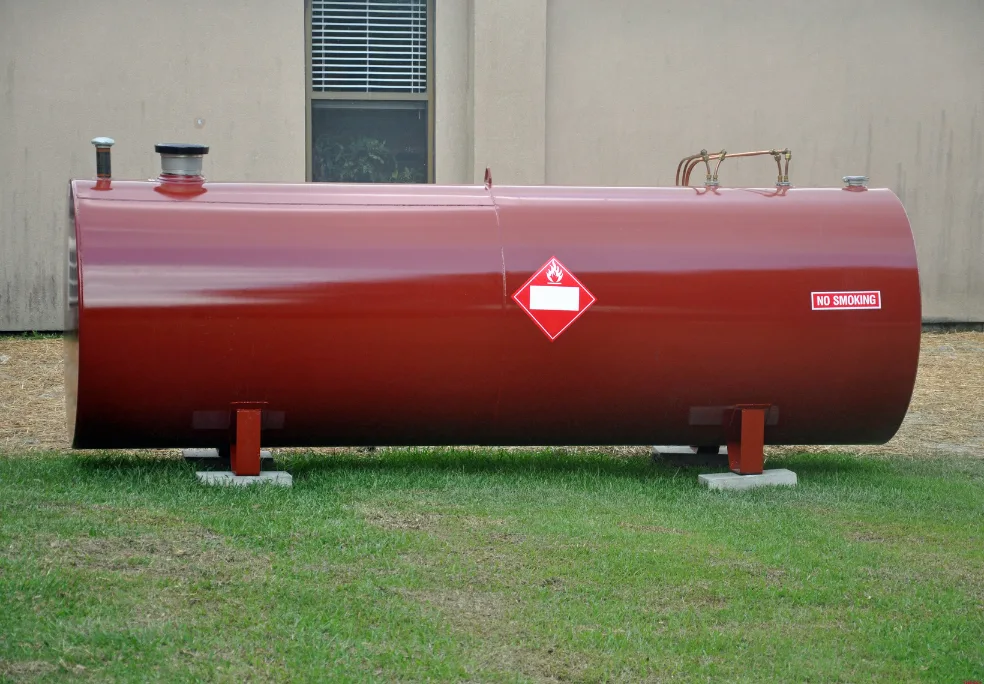
A useful target is five to ten days of average consumption, with headroom for peak weeks. Skid tanks from 250 to 10,000 gallons cover most job sites and depots, while larger ground tanks up to 50,000 gallons suit permanent facilities with heavy, steady draw.
Some locations need no tank at all. A yard where vehicles park together overnight can fuel each vehicle directly, avoiding the cost and compliance work of storage entirely. Deciding site by site keeps you from buying tanks you don't need or skipping one that would save repeated deliveries.
Run one schedule across every site
The hidden cost of multi-site fueling is scheduling sprawl. Each site manager calls in orders when a tank gets low, deliveries arrive at random, and nobody can see the whole picture.
A better arrangement sets a standing cadence for each site based on its consumption profile, then routes deliveries efficiently across nearby locations. Sites that sit close together can often share a delivery run. High-burn sites get more frequent visits, steady sites get a fixed weekly slot, and standby generators get topped off on a set interval so they are never caught low before a storm.
Overnight delivery helps at most locations. Equipment is parked, gates are quiet, and nothing competes with daytime work for access.
Use monitoring so nobody has to remember
At three locations, a site manager can check tank levels by hand. At fifteen, someone will forget.
Tank monitoring reports fuel levels automatically and triggers refills before a tank runs low. That converts refueling from something people have to notice into something that happens on its own. For companies spread across a region, this is often the single change that stops the emergency calls.
Access control matters at scale too. Secured dispensing technology such as FUELLOC counts every gallon drawn from a tank and ties it to an approved vehicle or machine, keeping fuel from walking off at less-supervised sites.
Consolidate reporting in one place
Multi-site fueling produces a lot of records. Without a central view, finance ends up stitching together invoices from different vendors, tickets from different sites, and card statements in different formats.
One provider covering every location, with delivery data in a single portal, lets you compare sites directly. You can see which location burns more than its equipment list suggests, allocate fuel costs accurately by job or department, and support off-road tax documentation without chasing paperwork across offices.
Choose a provider that can actually reach every site
This is where many multi-location programs fail. A supplier strong in one metro area may have thin coverage in the rural county where your newest project sits.
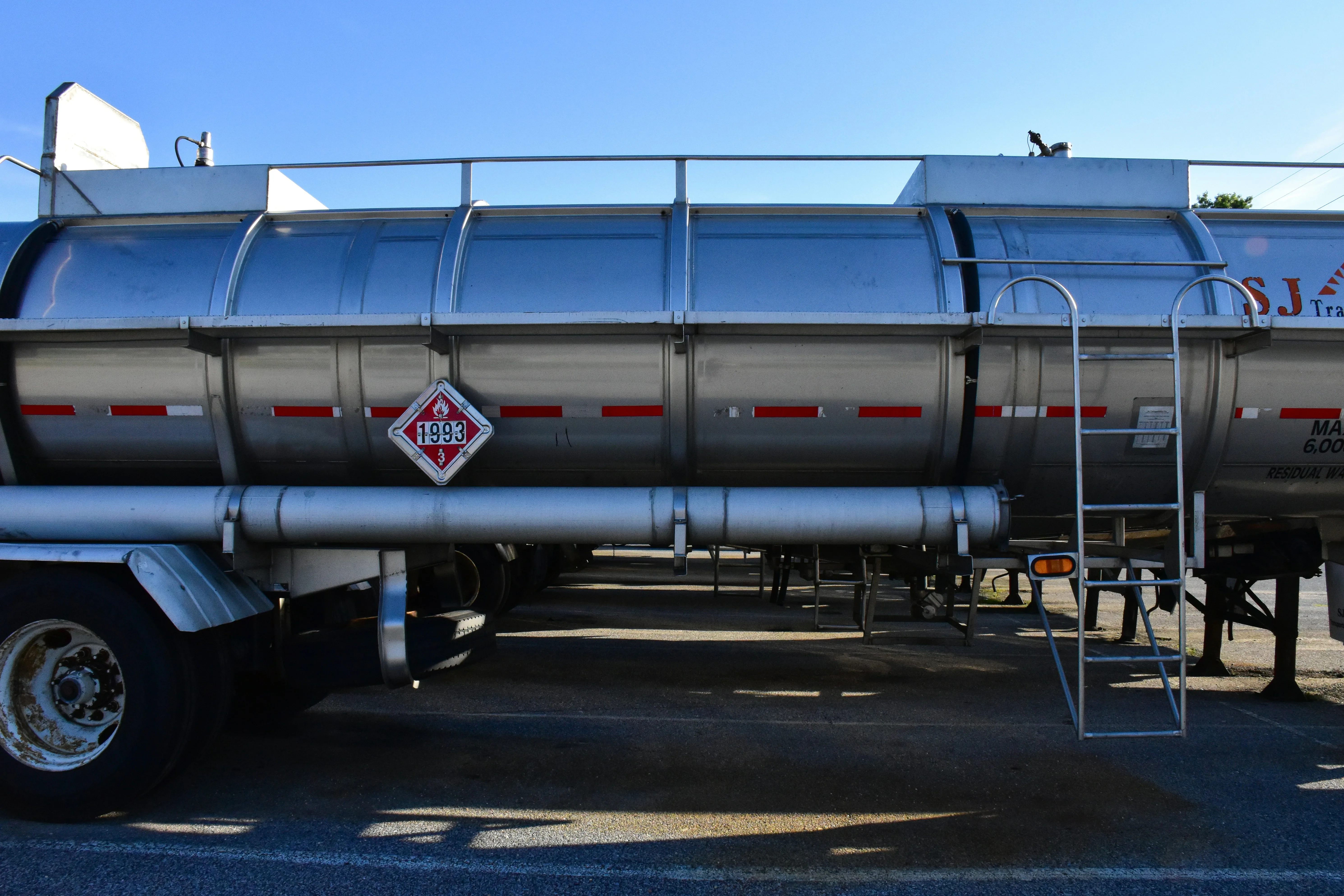
Ask bulk fuel delivery companies to confirm coverage for each address on your list, including planned sites over the next year. Ask about response times for unscheduled deliveries at your most remote location, how they handle a sudden spike in demand at one site, and whether they can supply clear diesel, dyed off-road diesel, gasoline, and DEF on the same visit. Diesel Direct delivers bulk fuel nationwide around the clock, which matters when locations span several states.
A provider that covers 90 percent of your sites still leaves you managing a second vendor for the rest, along with the reporting gaps that come with it.
Plan for sites that open and close
Multi-location operations change constantly. Projects start and finish, depots relocate, seasonal sites come online for a few months.
Build that churn into the arrangement from the start. Agree on how quickly a new site can be added to the delivery schedule, who retrieves rented tanks when a project ends, and what happens to contracted volume if a location closes early. Settling those terms upfront saves a round of renegotiation every time the footprint shifts.
Frequently Asked Questions
How do you estimate fuel needs for each location?
List the equipment and vehicles at each site, then pull average daily consumption from past invoices, fuel card records, or equipment hour meters. Adjust for upcoming changes such as a new project phase or seasonal work. Metered delivery data will refine those numbers within the first month or two.
Can one provider handle bulk fuel delivery for all of our sites?
Often, yes, if they cover every address. Ask the provider to confirm service for each location, including remote sites and planned openings. A single provider simplifies scheduling and puts all delivery records in one reporting system.
What types of fuel are available through bulk fuel delivery services?
Most commercial providers deliver clear on-road diesel, dyed off-road diesel for eligible equipment, and gasoline. Many also supply diesel exhaust fluid, seasonal winter blends, and renewable diesel. Confirm which products each provider can bring to each site on the same visit.
Does every location need on-site fuel storage?
No. Sites where vehicles park together can be fueled directly into each vehicle. Storage makes sense at locations with heavy daily consumption, equipment that trucks can't easily reach, or standby generators that need fuel on hand at all times.
How can businesses compare bulk fuel delivery providers for multiple sites?
Compare confirmed coverage for every location, response times for unscheduled deliveries, the range of fuels offered, tank and monitoring options, and how delivery data is reported. Price matters, but a provider who misses one site can cost more than a few cents per gallon in savings.