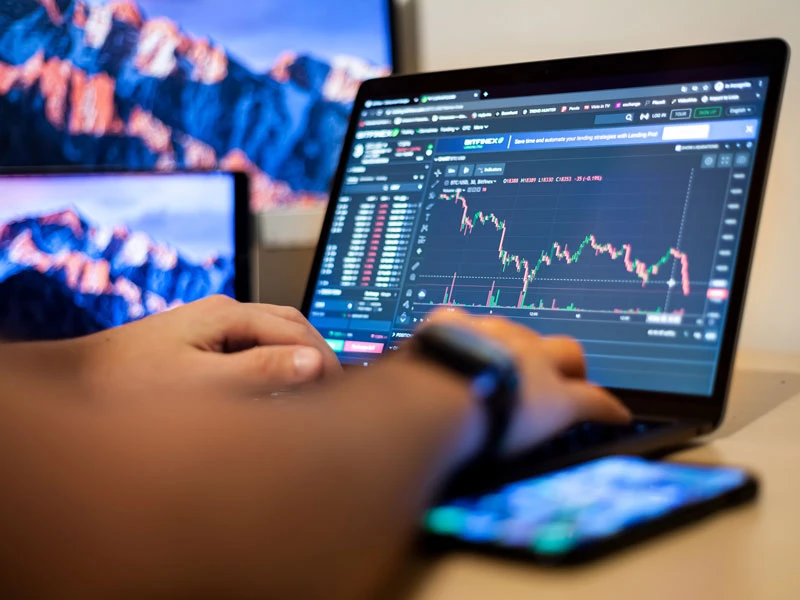
Choosing a trading broker today is not just a technical decision, it is a strategic one. With global markets operating around the clock and digital platforms placing powerful tools in your hands, the broker you choose can directly influence how confidently and effectively you trade. Before opening an account, it’s important to pause and evaluate what truly matters, beyond flashy features or bold promises. This decision becomes even more important as online trading brokers continue to expand their offerings, giving traders access to faster execution, global instruments, and advanced analytics. While these features can enhance performance, they also require careful evaluation to ensure the broker’s services align with your experience level, risk appetite, and long-term trading objectives rather than encouraging rushed or uninformed decisions.
This article walks you through the key points to consider before selecting a trading broker, especially in a market where options are abundant and standards vary widely.
Understand Your Trading Goals First
Before comparing brokers, look inward.
Ask yourself:
- Are you trading short-term or investing long-term?
- Do you prefer active trading or occasional market participation?
- Are you focused on one asset class or multiple markets?
Your goals determine what kind of broker you need. Some online trading brokers are better suited for frequent traders with advanced tools, while others cater to beginners who value simplicity and education.
Clarity here prevents costly mismatches later.
Regulation Is Non-Negotiable
One of the most critical considerations is regulation.
A regulated broker:
- Operates under strict financial rules
This means the broker must follow defined compliance standards, undergo regular audits, and adhere to ethical trading practices set by financial authorities.
- Maintains transparency in pricing and operations
All costs, spreads, and trading conditions are clearly disclosed upfront, helping traders understand exactly what they are paying for without hidden charges.
- Offers client fund protection measures
Client funds are typically kept in segregated accounts, separate from the broker’s operational funds, reducing risk in case of financial or operational issues.
Regulation doesn’t guarantee profits, but it does provide a framework of accountability. When evaluating brokers, always verify their regulatory standing and the authority overseeing them.
In regions like the UAE, regulation plays a key role in maintaining market integrity and investor confidence.
Platform Stability and Ease of Use
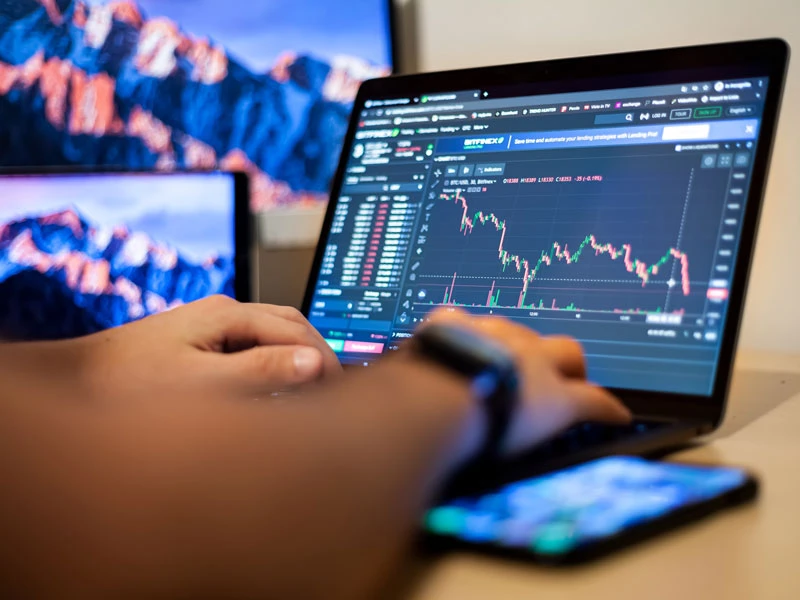
A trading platform is your primary interface with the market. It should feel intuitive, reliable, and responsive.
Key things to assess:
- Speed of execution
- Ease of navigation
- Availability of charting and analysis tools
- Mobile and desktop compatibility
A platform that feels complicated or unstable can lead to missed opportunities or costly errors, especially during volatile market conditions.
Market Access and Asset Variety
Diversification is a cornerstone of smart trading.
Before choosing a broker, check:
- Which markets are available
- The range of tradable instruments
- Whether global assets are accessible
An international trading broker Dubai–based traders often look for broad exposure, allowing them to participate in forex, indices, commodities, and global equities from one account. Wider access provides flexibility and helps reduce dependence on a single market.
Transparency in Costs and Fees
Hidden costs can quietly erode profits.
A reliable broker should clearly disclose:
- Spreads and commissions
These are the direct costs of trading, and knowing them upfront helps you plan strategies and calculate potential profits accurately.
- Overnight or swap charges
These fees apply when positions are held past the market close and can impact long-term trades if not carefully managed.
- Withdrawal or inactivity fees
Some brokers charge for account inactivity or fund withdrawals, so understanding these rules prevents unexpected deductions from your capital.
Transparent pricing builds trust and helps traders plan strategies more effectively. Always review the fee structure carefully before committing funds.
Risk Management Features Matter
Trading success is not just about winning trades, it’s about managing losses.
Look for brokers that support:
- Stop-loss and take-profit orders
- Margin controls
- Clear leverage policies
These tools help traders protect capital and trade with discipline. Without them, even well-planned strategies can unravel quickly.
Education and Support Resources
Even experienced traders continue learning.
Quality brokers often provide:
- Market insights and updates
- Educational articles or tutorials
- Responsive customer support
Strong support systems make a difference, especially when technical or account-related issues arise. A broker that invests in client education usually signals a long-term, client-focused approach.
Account Types and Flexibility
Different traders have different needs.
Before opening an account, consider:
- Minimum deposit requirements
Knowing the minimum deposit helps you choose a broker that fits your budget and trading plan without overcommitting funds.
- Availability of demo accounts
Demo accounts allow you to practice strategies and explore the platform risk-free before investing real money.
- Customization options for trading conditions
Flexible settings, like adjustable leverage or order types, let you tailor the trading environment to your individual strategy and risk tolerance.
Flexible account structures allow traders to start small, test strategies, and scale responsibly as confidence grows.
Security and Fund Handling
Trust extends beyond regulation.
Ensure the broker follows best practices such as:
- Segregation of client funds
Keeping client funds separate from the broker’s operational accounts ensures your money is protected even if the company faces financial difficulties.
- Secure payment gateways
Encrypted and verified payment methods reduce the risk of fraud or unauthorized transactions when depositing or withdrawing funds.
- Robust data protection systems
Advanced cybersecurity measures safeguard your personal and financial information from hacking, leaks, or unauthorized access.
These measures protect both your capital and personal information, reducing exposure to operational risks.
Reputation and Long-Term Vision
Finally, consider the broker’s broader reputation.
Look beyond marketing and assess:
- How long the broker has been operating
- Its commitment to transparency
- Its vision for long-term client relationships
A broker focused on sustainable growth is more likely to invest in platform quality, compliance, and client satisfaction.
Conclusion
Choosing a trading broker is a decision that shapes your entire market journey. By focusing on regulation, platform quality, transparency, and alignment with your goals, you move beyond guesswork and toward informed confidence.
In a market filled with options, taking the time to evaluate these factors helps separate reliable partners from short-term solutions. For traders seeking a regulated and globally connected environment, firms like Anax Capital illustrate how modern brokerage services can align structure, access, and responsibility in today’s evolving financial landscape.