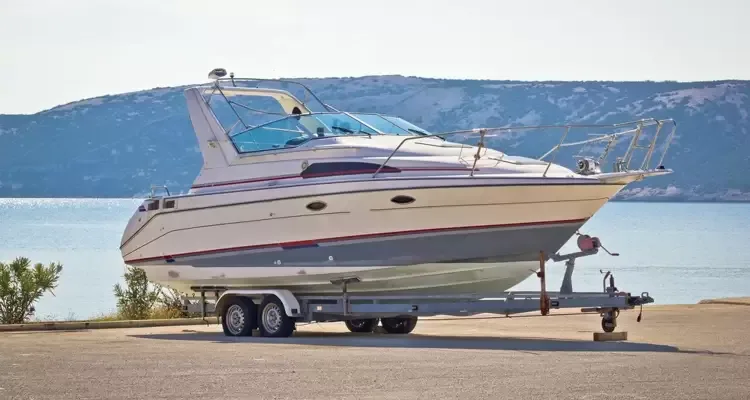
Buying a pre-owned rig in New England is a risky game: harsh winters, road salt, and relentless Atlantic saltwater devour frames from the inside out. So, a trailer might look decent under a fresh coat of paint, but deep down rotted cross-members, seized bearings, or blown brake actuators will leave that very same hull wrecked on the side of I-95 real fast.
To protect the vessel and avoid an expensive breakdown, it’s necessary to have beforehand knowledge of what structural points, brake lines, and title details to look for before buying used boat trailers for sale in Massachusetts.
At a Glance- Coastal Rust Identification: How to spot hidden internal frame rot caused by Atlantic saltwater immersion?
- Axle & Hub Inspections: Why checking wheel bearings, leaf springs, and hydraulic lines stops highway blowouts cold?
- RMV Paperwork Hurdles: How do title checks and VIN matching prevent Registry of Motor Vehicles headaches?
How to Inspect Used Boat Trailers for Sale in Massachusetts?
Frame Metallurgy and Masked Saltwater Corrosion
When inspecting a pre-owned frame, never just settle for a quick walkaround; crawl underneath and check cross-members, tongue joints, and weld points for flaking rust or structural thinning:
- Galvanized Steel vs. Painted Tubing: Hot-dipped galvanized steel handles Atlantic salt far better than painted steel, which bubbles, cracks, and rots out fast once saltwater creeps beneath the finish.
- Box Frame Drain Checks: Tap along the underside of hollow box frames with a screwdriver; hollow internal rust hides inside until the frame snaps under road vibration.
Spotting frame fatigue before even thinking of making an offer on used boat trailers for sale in Massachusetts keeps one from hauling a rotted rig that fails on the first trip to the coast.
Wheel Bearings, Suspension, and Brake System Wear
Submerging hot axle hubs into ice-cold ocean water creates a vacuum effect that sucks saltwater straight past worn rubber seals. Neglected hub maintenance leads directly to seized bearings, melted spindles, or wheel separation:
- Leaf Springs and Shackles: Keep an eye out for heavy flaking rust or cracked spring leaves, as ocean water corrodes steel suspension packs quickly.
- Surge Brake Actuators & Lines: Check the master cylinder for fluid leaks and brake lines for heavy corrosion that could result in total loss of hydraulic pressure in sudden stops.
When looking at used boat trailers for sale in Massachusetts, make sure to thoroughly inspect hubs and brakes to make sure the rig stops on a dime and rolls smoothly without cooking bearings.
Lighting, Wiring Harnesses, and Ground Connections
Saltwater and winter road brine quickly corrode exposed wiring, turn signal connections, and ground terminals, causing intermittent electrical shorts that pull heavy traffic fines:
- Sealed LED vs. Incandescent Units: Sealed LED lighting modules can handle water getting in when launching, but cheap incandescent housings corrode the second they get wet underwater.
- Ground Wire Integrity: Follow the ground wire to the trailer tongue. Rusted ground screws will create flickering or dead brake lights all the way through the harness.
Testing electrical harnesses before finalizing a deal for used boat trailers saves you hours of frustrating wiring troubleshooting down the road.
Conclusion
Securing a reliable pre-owned haul setup comes down to checking frame rust, verifying bearing seals, testing brake lines, and confirming clean registration papers. Taking time to run a thorough hands-on inspection keeps the boat safe on the highway and stops breakdown repairs before they start.
Whether you need a simple skiff setup or plan to step up to a heavy-duty hydraulic boat trailer, having the know-how on how to evaluate structural specs guarantees that you buy a road-worthy rig built from the ground up to haul the vessel safely.