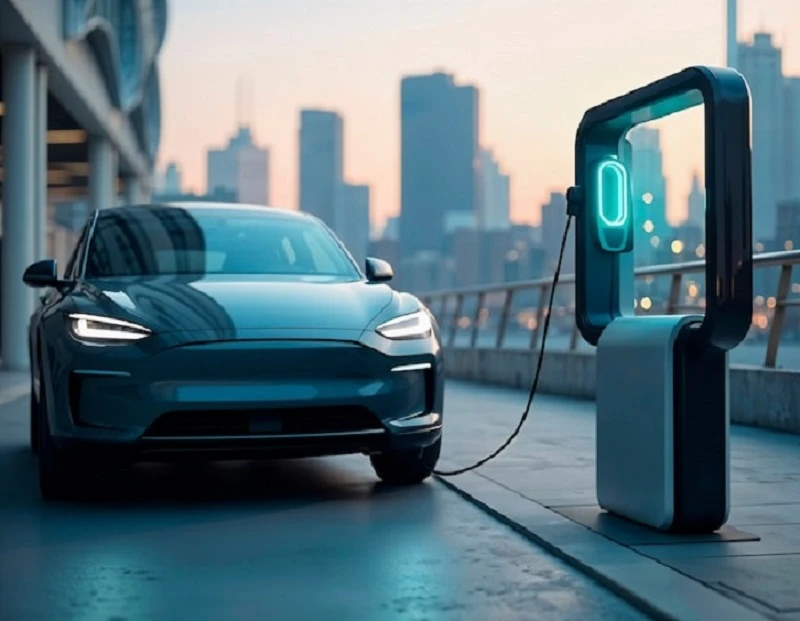
The rumble of internal combustion engines has long defined our roads, but a quiet revolution is underway. The future, it seems, is humming with the sound of electricity. The rise of electric cars represents more than just a shift in automotive trends—it signals a transformative moment for economies, the environment, and daily life. As more drivers plug in rather than fill up, it’s worth considering exactly what this means for all of us.
A Greener Road Ahead
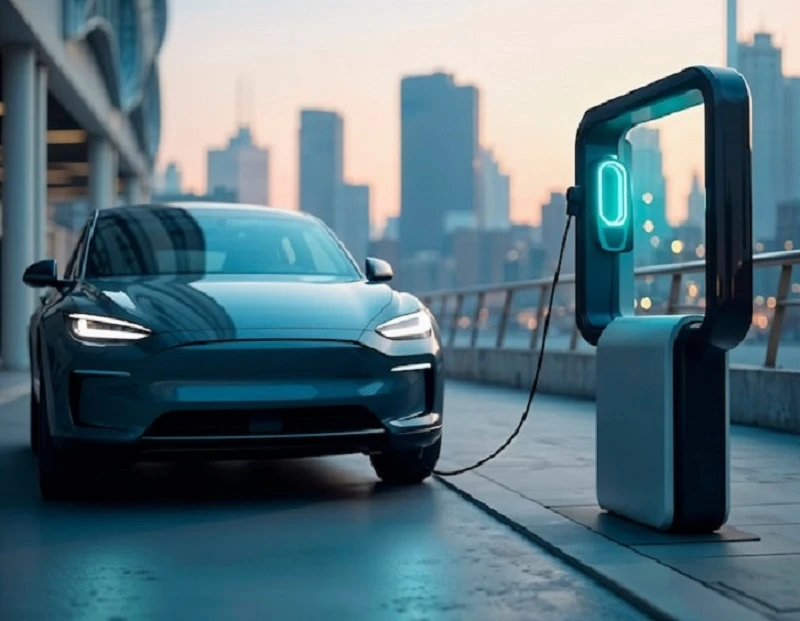
Perhaps the most prominent reason for the surge in electric vehicles is their promise of a cleaner, greener planet. Transportation is a leading contributor to global carbon emissions, largely due to the traditional cars most of us drive. Electric vehicles, powered partly or wholly by batteries, offer an effective way to cut back on pollution.
Unlike combustion engines, electric cars produce zero tailpipe emissions. This change, when multiplied by millions of vehicles, could dramatically reduce the smog and greenhouse gases choking our cities. It’s a big step toward global efforts to fight climate change, protect public health, and create cleaner air for future generations.
Powering the Transition: Infrastructure and Innovation
The transition to electric cars isn’t happening in a vacuum. Governments, automakers, and the technology sector are investing heavily in fresh infrastructure—especially in charging networks and power grids. Charging stations are appearing in shopping centers, workplaces, and neighborhoods, making electric vehicle ownership increasingly convenient.
Meanwhile, battery technology is evolving quickly. The latest batteries offer longer ranges, faster charging times, and improved safety. These advancements are lowering one of the biggest hurdles for potential electric car owners: range anxiety, or the fear that a car might not have enough power for longer trips. A wider range of people will find electric cars more appealing and useful as batteries continue to advance.
Economic Shifts and New Opportunities
The rise of electric cars is creating waves throughout the global economy. For oil-producing countries and companies, the growth of electric vehicles presents a significant challenge — a future with less demand for fossil fuels and the revenues they generate. Conversely, industries involved in mining the raw materials for batteries, such as lithium, cobalt, and nickel, are seeing new opportunities and investment.
Manufacturers, both old and new, are racing to develop affordable and desirable electric vehicles. This new competition is leading to more choices and better prices for consumers, as well as job growth in sectors connected to electric vehicle production, charging infrastructure, and renewable energy.
On the consumer side, owners benefit from lower operating costs. Compared to their gasoline-powered counterparts, electric automobiles have fewer moving parts, which frequently means less maintenance and fewer trips to the mechanic.
Rethinking Mobility in Cities
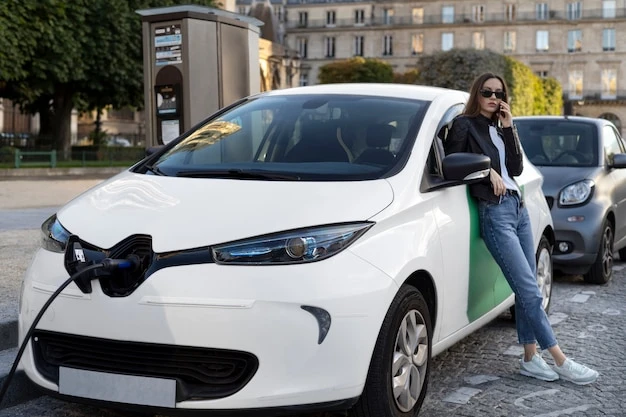
Urban planners and city leaders are reimagining what daily life could look like with the widespread adoption of electric cars. Quieter streets, reduced air pollution, and more energy-efficient public transportation systems based on electric technology are all potential outcomes.
Cities developing robust charging networks and supporting policies are seeing improved livability and healthier communities. The shift to electric vehicles is also dovetailing with trends like shared mobility services and autonomous driving—a future where urban movement is cleaner, safer, and more convenient.
Challenges Along the Road
Even while electric vehicles have many appealing benefits, making the switch is not without its difficulties. Many regions still rely on electricity generated from fossil fuels, so the true environmental benefit of electric cars varies. Building a sustainable supply chain for battery production, especially with respect to the sourcing and recycling of raw materials, remains a work in progress.
There’s also the matter of affordability. Although prices are dropping, electric cars remain a premium option for many buyers. Governments and manufacturers are working to make them more accessible through incentives, research, and volume production. The market, however, still has work to do before electric vehicles become truly ubiquitous.
Looking Ahead: The Global Impact
It is impossible to deny the impact of the electric vehicle revolution. Reducing reliance on fossil fuels can help nations become more energy independent and less vulnerable economically. Air quality improvements will translate into tangible health benefits for millions of people.
Automakers are committing to all-electric futures. Governments are setting ambitious deadlines to phase out new combustion cars. It’s a race that promises to touch nearly every industry, from energy to manufacturing, and promises to usher in a new era of mobility.
If staying current on these seismic shifts interests you, visit nasaindia.co.in regularly offers analysis, interviews, and stories that help make sense of a rapidly changing world.
Conclusion
Electric cars are no passing fad—they represent a monumental step toward a more sustainable, smarter, and more equitable world. Their rise will save energy, redefine economies, and bring us closer to cleaner cities and healthier lives. The journey, though not without its bumps, is full of promise, with technological innovation leading the way.